
Last updated November 24, 2026
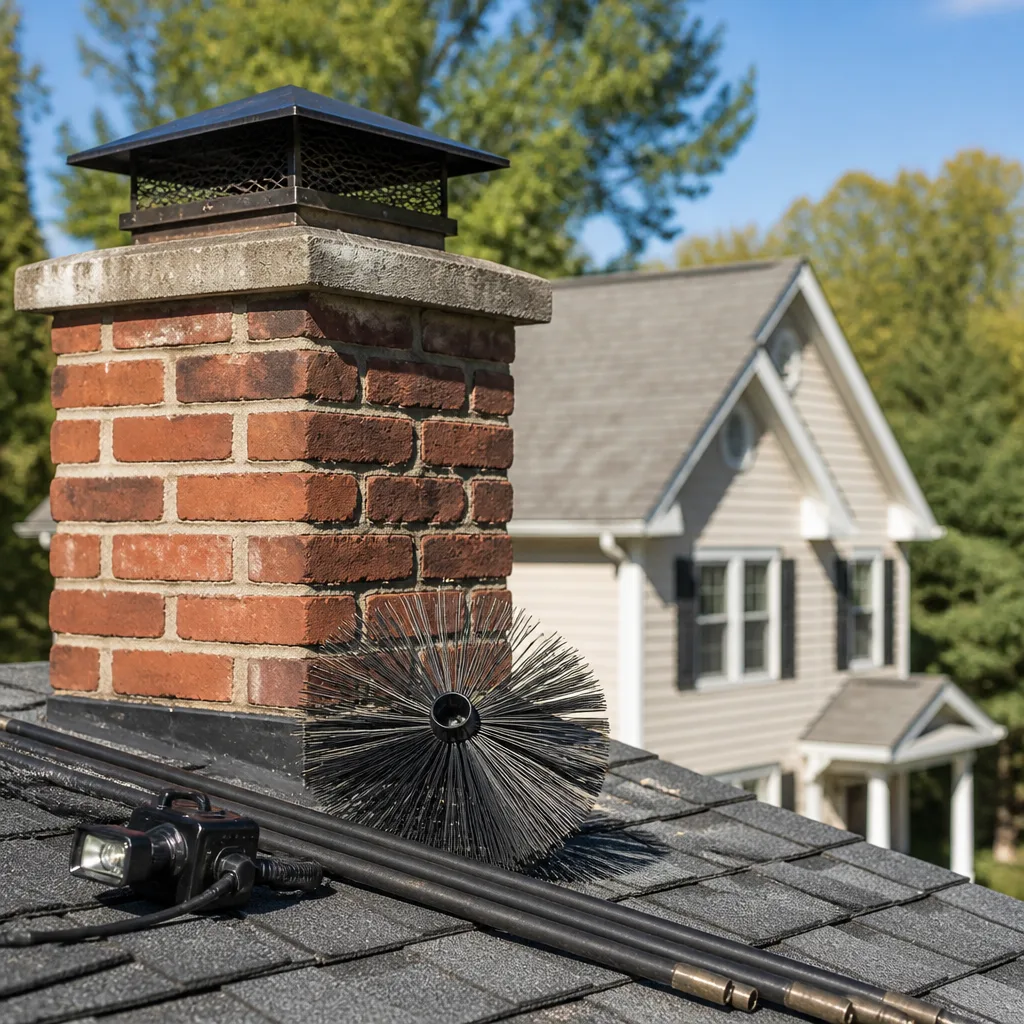 Sweep & inspection
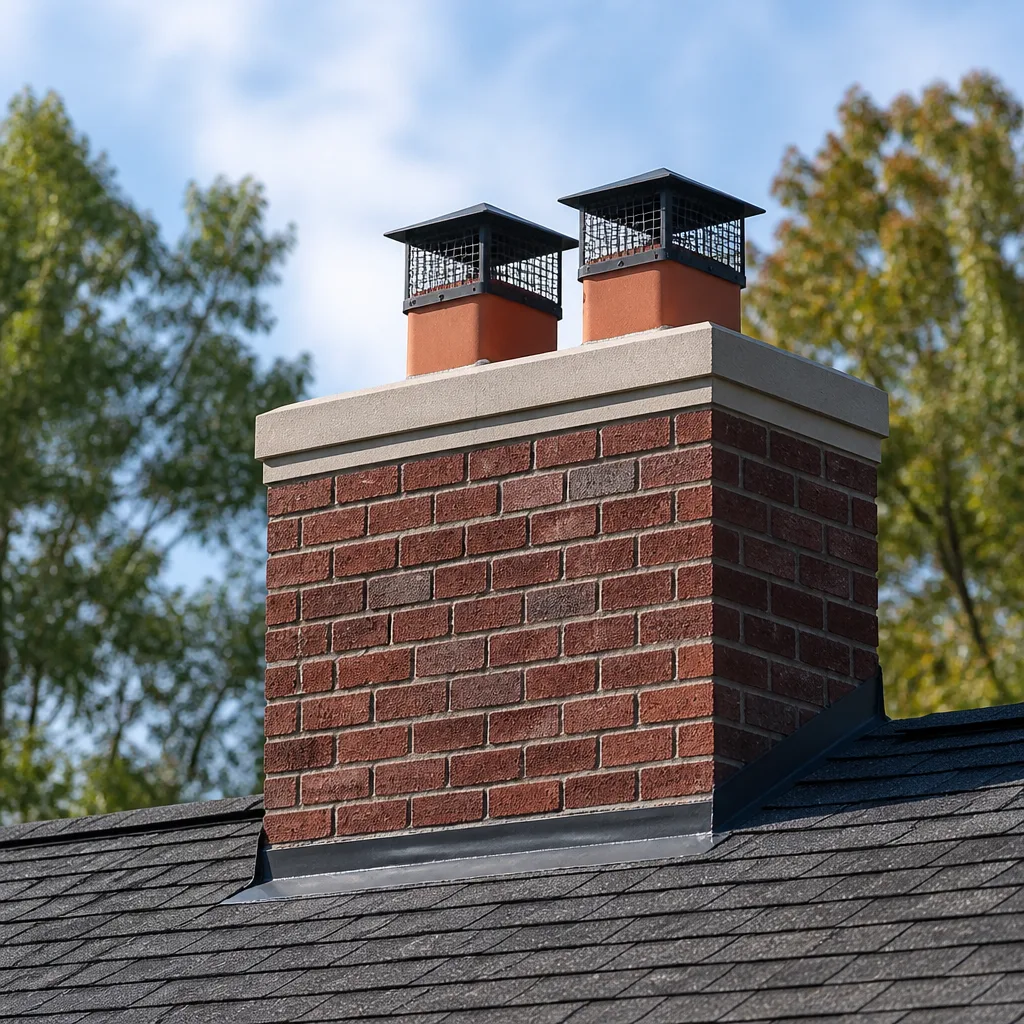 Caps & crowns
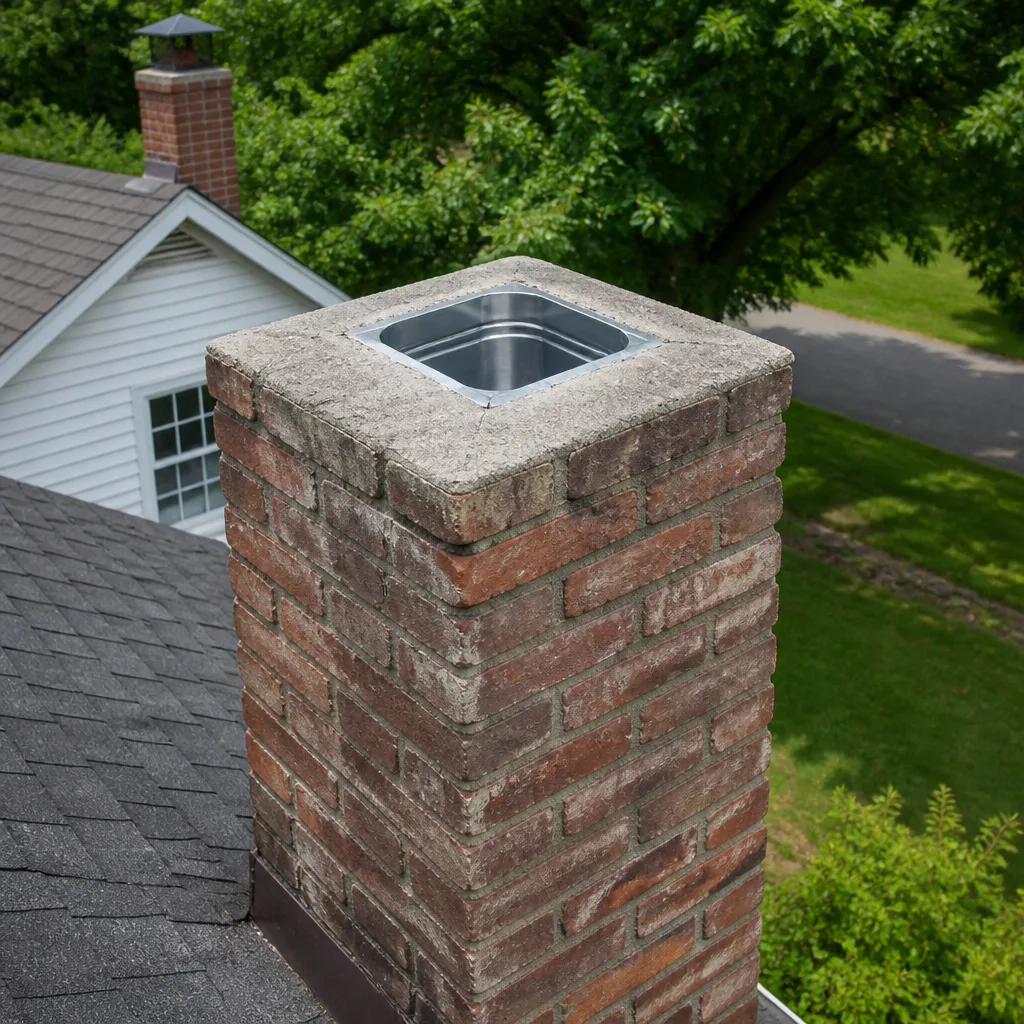 Flue relining
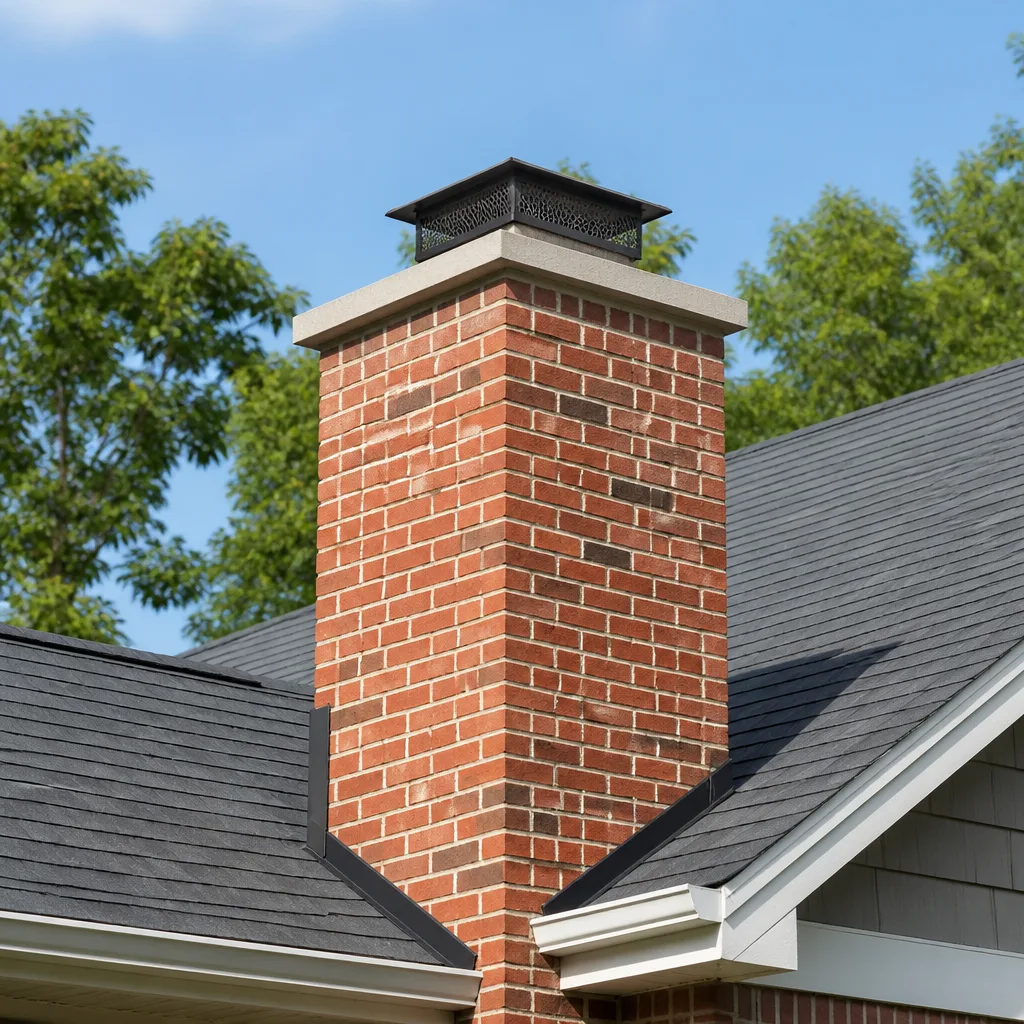 Masonry repair
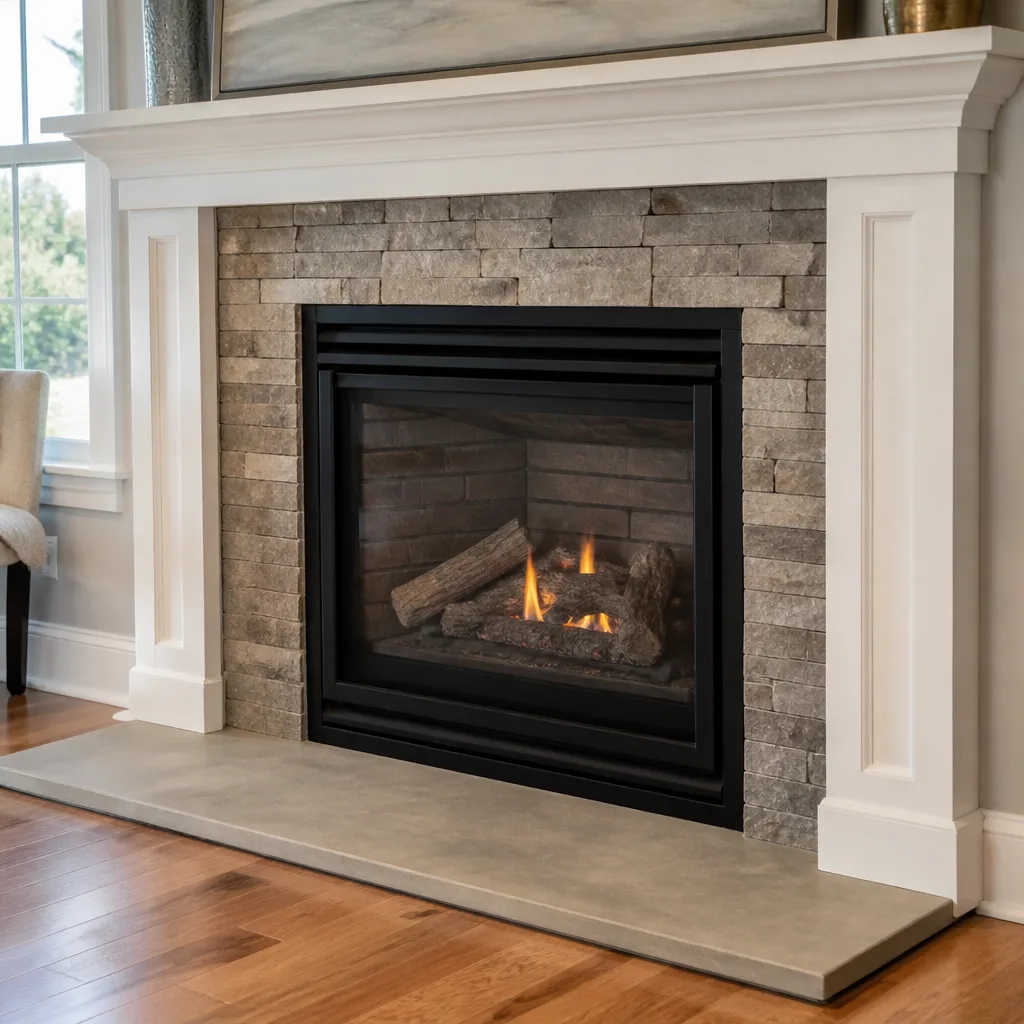 Gas fireplace service
Level 1 sweep and inspection to the NFPA 211 annual standard - flue, crown, cap, and flashing checked and photographed
Chimney sweep logs do not sweep chimneys. They loosen some creosote - which then falls where a brush and vacuum still have to collect it.
DIY vs Professional Chimney Cleaning: The Ogden Homeowner’s Decision Guide
A homeowner can pull loose soot from a fireplace flue with a brush kit and a shop vacuum, and feel satisfied the job is done. What that same homeowner can’t see is the hairline crack in a clay tile liner two-thirds of the way up, or the glazed creosote baked onto a smoke chamber wall behind the damper. This guide isn’t about whether you’re capable of pushing a brush. It’s about what you can actually see and assess without a camera, proper lighting, and the training to read what’s in front of you. We’ll walk through what DIY cleaning handles well, where it quietly fails, what it really costs in time and risk, and the four questions that tell an Ogden homeowner which way to go.
Quick Answer
DIY chimney cleaning is reasonable for a lightly used fireplace with an accessible straight flue, no history of chimney fires, and a recent professional inspection on record. Professional cleaning is the right call when you don’t know the last inspection date, the home is older, the appliance is a stove or insert, or the flue has any bends, offsets, or prior damage. In Ogden’s cold, dry winters, creosote builds fast and the damage that matters most sits where a brush kit can’t reach.
Styles & brands we work with
- Sweep & inspection
- Caps & crowns
- Flue relining
- Masonry repair
- Gas fireplace service
Table of Contents
- What a competent DIYer can safely clean
- What stays invisible without professional equipment
- When DIY cleaning increases risk
- The real cost comparison: DIY vs professional
- The four-variable decision framework
- How Ogden’s climate changes the math
- Common mistakes to avoid
- When to call a professional
What a Competent DIYer Can Safely Clean
There’s an honest list of tasks a careful homeowner can handle without professional help, and it’s shorter than most DIY guides admit. A brush kit, drop cloth, respirator, and shop vacuum give you real capability at the firebox level. The line between what you can do and what you shouldn’t isn’t about strength or nerve. It’s about access and visibility.
Here’s what falls on the DIY side of that line:
- Firebox soot and ash removal. Vacuuming out cool ash and sweeping loose soot from the firebox floor and walls is low-risk. Do it when the fireplace has been cold for at least 24 hours.
- Damper and smoke shelf brushing. The area directly above the damper catches soot and debris. A hand brush and vacuum reach it on most open masonry fireplaces.
- Straight vertical flue sweeping on a lightly used fireplace. If the flue runs straight up from the damper with no offsets, a homeowner can run a brush on rods through it. This is the one job where DIY genuinely overlaps with professional work.
- Exterior cap debris clearing. If you can safely reach the roof from a stable ladder with no height or pitch concerns, clearing leaves and nests from the cap screen is reasonable. In Ogden, that debris is usually dry leaves and bird nesting material.
What all of those tasks have in common is that they happen at the bottom or the very top of the system, in plain view. The middle of the flue, the smoke chamber, and the liner joints are where the real information lives, and those are exactly the areas a brush kit can’t assess. We always recommend starting with an inspection rather than a brush, because cleaning without knowing what’s up there is working blind.
If you’re not sure whether your fireplace falls into the DIY-safe category, that’s already your answer. A professional chimney sweep starts with a camera inspection and tells you plainly what condition the system is in before any work begins.
What Stays Invisible Without Professional Equipment
The gap between DIY cleaning and professional cleaning isn’t effort. It’s information. A brush removes what it touches; a camera reveals what the brush can’t. Consumer flashlights and phone cameras don’t have the reach, angle, or lighting to show you the upper flue, the smoke chamber, or the liner joints where problems develop.
Here’s what stays hidden from a homeowner with a brush kit:
- Clay tile liner fractures. Hairline cracks in tile liners open up from heat cycling and settle movement. They’re often invisible from below but vent combustion gases into the surrounding masonry and wall cavity.
- Smoke chamber condition. The sloped area above the damper collects creosote and is a common failure point. It’s angled and offset, so a straight brush misses it entirely.
- Stage-three creosote. Glazed, hardened creosote looks like tar and won’t come off with a brush. You need chemical treatment and physical removal tools to get it out.
- Liner joint separation. On factory-built and stainless liner systems, joints can separate from heat expansion. You can’t see joint integrity from the firebox, but a camera run shows it clearly.
- Crown and cap seal failure. Water intrusion from a failed crown or a missing cap screen is one of the most common causes of chimney damage. Those failures sit at the top of the system, where you need to be on the roof to read them properly.
The liner is the part that matters most for safety. A cracked or separated liner means combustion gases and carbon monoxide can migrate into the home instead of going up and out. That’s not a scare tactic, it’s the reason liner condition is the first thing a professional inspection checks. You can’t verify what you can’t see, and that gap is the real reason professional inspection exists.
Our inspection-first philosophy means we document what the camera shows and share those findings with you before any repair is discussed. When a liner needs attention, materials like DuraFlex flexible stainless systems give us a way to reline the flue rather than rebuild it.
When DIY Cleaning Increases Risk
There are specific situations where picking up a brush makes things worse, not better. The most common one involves creosote stage. Stage-one creosote is light, flaky soot and brushes off easily. Stage-two is a denser, crustier deposit that takes more work. Stage-three is glazed and hardened, and it’s where DIY cleaning becomes genuinely dangerous.
Here’s the sequence that causes trouble:
- You brush hardened creosote loose without containment. Stage-three deposits can break off in chunks, fall into the smoke chamber, and leave a combustible pile sitting where the next fire ignites it.
- You disturb deposits that need chemical treatment first. Glazed creosote has to be softened with a proper treatment before removal. Brushing it cold fractures it and spreads it around the flue.
- You clean a flue that already has a damaged liner. If a tile is fractured and you don’t know it, brushing can widen the crack and worsen the gas leak path into the wall cavity.
- You work a flue with an unknown obstruction. Nests, fallen tiles, or partial blockages that you can’t see become hazards when shoved around rather than removed under inspection.
There’s also the practical risk of roof work in Ogden’s winter. Climbing onto a pitched roof when there’s frost or snow on it is a fall hazard regardless of how careful you are. If the job requires top-side access and conditions aren’t safe, that alone tips the decision toward a professional.
In our experience, the worst outcome of a DIY attempt isn’t a dirty fireplace. It’s a false sense of security. A homeowner cleans the firebox, sees less soot, and assumes the system is fine, when the actual problem was never at the firebox level to begin with.
The Real Cost Comparison: DIY vs Professional
The DIY-versus-professional math is rarely a straight line. The visible cost of a brush kit is real, but so is the cost of the time, the protective gear, the cleanup, the ladder you may need to buy or borrow, and the risk you take on. A professional sweep comes with an inspection, a scope, and a written record of what was found. That’s a different product than a brushed flue, and it’s priced accordingly.
Here’s the honest comparison across the main line items:
- Equipment: A basic brush kit, drop cloth, respirator, and shop vacuum typically run $80 to $150 for a homeowner. Specialty tools, camera scopes, and chemical treatments for hardened creosote add hundreds more and rarely make sense for one or two uses.
- Time: A homeowner doing a thorough DIY clean on an accessible fireplace spends two to four hours from setup through cleanup. A professional sweep handles the same work in a fraction of that, with proper containment so the room stays clean.
- Inspection value: This is the real gap. A DIY clean gives you a swept flue but no documentation of liner condition, smoke chamber condition, crown or cap condition, or creosote stage. A professional sweep includes that assessment, which is the information you actually need to protect the home.
- Risk: A DIY clean carries the risk of a fall from the roof, a creosote spill into the living space, or a missed hazard that stays hidden until it becomes a fire or a gas leak. Those aren’t measured in a dollar range because they can’t be, but they’re real costs.
- Repair cost avoidance: Catching a failing crown, cap, or liner early keeps small problems from turning into masonry work. The economic argument for professional inspection isn’t about the cleaning bill, it’s about catching damage while it’s still minor.
Professional pricing is set per job from a written estimate, so the number reflects your actual system rather than a category. The estimate is free. Call (866) 937-7544 for an exact quote on your chimney and we’ll lay out what the work covers before you commit.
The Four-Variable Decision Framework
There are four variables that tell you which way to go, and most homeowners can answer all four without leaving the room. If any of them tips toward “unknown” or “yes,” professional cleaning and inspection is the right call. If all four point toward a well-maintained, well-understood system, DIY is a reasonable option.
Answer these in order:
- What type of fireplace or appliance do you have? An open masonry fireplace with a straight flue is the most DIY-friendly. A wood stove, a gas insert, a pellet appliance, or a factory-built fireplace with a designed metal liner each carry their own constraints. Stoves and inserts need component removal for access, and gas appliances need a technician trained in venting. If you have anything other than a simple open fireplace, that alone tends toward professional.
- How old is the home? In Ogden, plenty of homes in older neighborhoods have chimney systems built decades ago with clay tile liners that were never designed for modern appliance efficiency. Older masonry has had more heat cycles, more settle movement, and more chances for liner cracks. If the home is older and the chimney history is unknown, professional inspection should come first.
- When was the last professional inspection? If it’s been more than a year, or if you can’t answer the question at all, you don’t have the information needed to make a safe DIY call. A recent inspection report showing a clean, intact system is the strongest green light for DIY cleaning between professional visits.
- How often do you burn? A fireplace used a handful of times a year accumulates creosote slowly. A stove or fireplace used as a primary heat source through an Ogden winter builds creosote much faster, sometimes reaching stage-two or stage-three deposits within a single heating season. Heavy burning tips toward professional cleaning at a frequency that matches the load.
If all four answers come back clean, you can reasonably clean your own flue between professional visits. If any answer is “I don’t know,” “older,” “never been inspected,” or “we burn a lot,” start with a professional inspection.
How Ogden’s Climate Changes the Math
Ogden sits at the base of the Wasatch Front, where winters are cold, the air is dry, and the heating season runs long. That combination matters for creosote and for the masonry itself. Cold flue temperatures slow draft and encourage creosote to condense on the liner walls, which is why creosote builds faster here than it does in milder climates with the same burn frequency.
Our dry air works the other way on masonry. Clay and mortar expand and contract with temperature swings and seasonal moisture. Repeated freeze-thaw cycles open hairline cracks and widen existing ones, especially in older chimneys that lack a proper crown or cap. That’s why crown and cap seal failures show up so often in Ogden. When water gets into masonry and freezes, the damage compounds through the winter.
The practical implication is that an Ogden homeowner who burns regularly may need professional cleaning more often than the national recommendation suggests, not because the standard is wrong but because the local burn load and climate are harder on the system. In our experience, a chimney that looks fine from the firebox can have meaningful creosote buildup and a developing liner issue by the end of a Wasatch winter. Only a camera inspection finds that in time to prevent a bigger repair.
For stoves and inserts, the same logic applies to the flue, which often runs through an exterior wall. Exterior flues run colder, build creosote faster, and are harder to assess from inside the home. Professional inspection is more important in that configuration, not less.
Ogden’s older neighborhoods also carry a higher share of clay tile liners that predate modern appliance efficiency standards. Those liners work, but they were sized and built for a different era of heating. When a homeowner upgrades to a newer stove or insert, the existing flue may need relining with a system like DuraFlex to handle the corrected venting. That’s a professional decision, and it’s one a sweep-only competitor isn’t equipped to make. We install DuraFlex flexible stainless liner systems for exactly this reason, and we can assess whether your current flue needs one. If a liner is damaged but still structurally sound, HeatShield ceramic resurfacing gives us a way to restore the flue interior without a full reline.
Common Mistakes to Avoid
- Cleaning without inspecting first. Brushing a flue you haven’t looked at is working blind. A camera inspection tells you what’s up there before you disturb it. Without that, you don’t know whether you’re cleaning a minor buildup or loosening hardened creosote.
- Assuming the firebox is the whole story. The firebox is the least informative part of the system. The liner, smoke chamber, and crown hold the details that matter, and none of them are visible from where you’re standing.
- Brushing glazed creosote cold. Stage-three creosote has to be treated before it can be removed. Brushing it cold fractures it and spreads it, and it can leave combustible debris sitting in the smoke chamber.
- Skipping protection for the room. DIY cleaning without proper containment means soot ends up on your furniture and in your HVAC returns. Professional sweeps set up drop cloths and contain the dust before a brush touches the flue.
- Neglecting the cap and crown. In Ogden’s freeze-thaw climate, a failed crown or a missing cap screen is one of the fastest ways to damage masonry. Checking the top of the system is as important as cleaning the inside.
- Going up on a frosty roof. Roof work in winter conditions is a genuine fall hazard. If you can’t safely access the top of the chimney, the job needs to wait for the right conditions or be handled by a professional.
- Assuming a brushed flue is a safe flue. A clean flue with a fractured liner still vents gases into the home. Cleaning is not the same as inspection, and the two should always happen together.
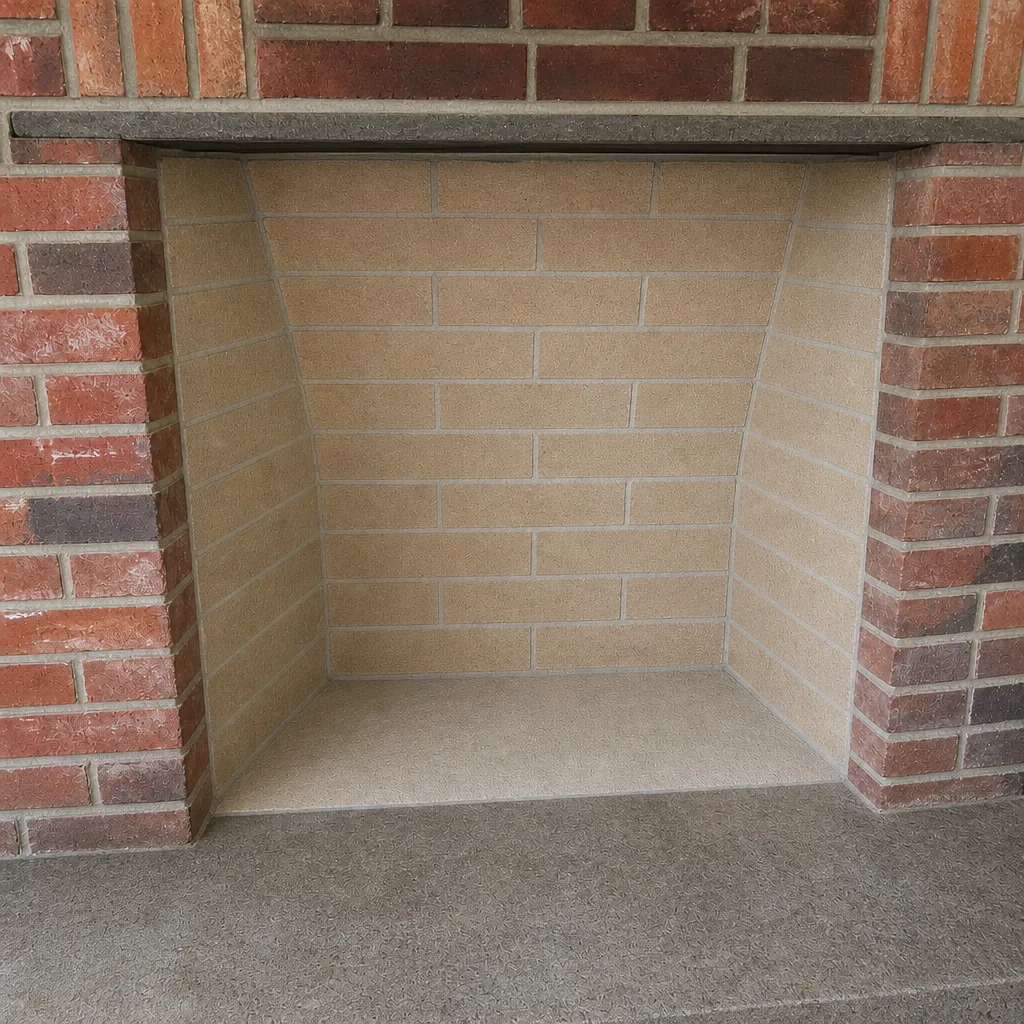
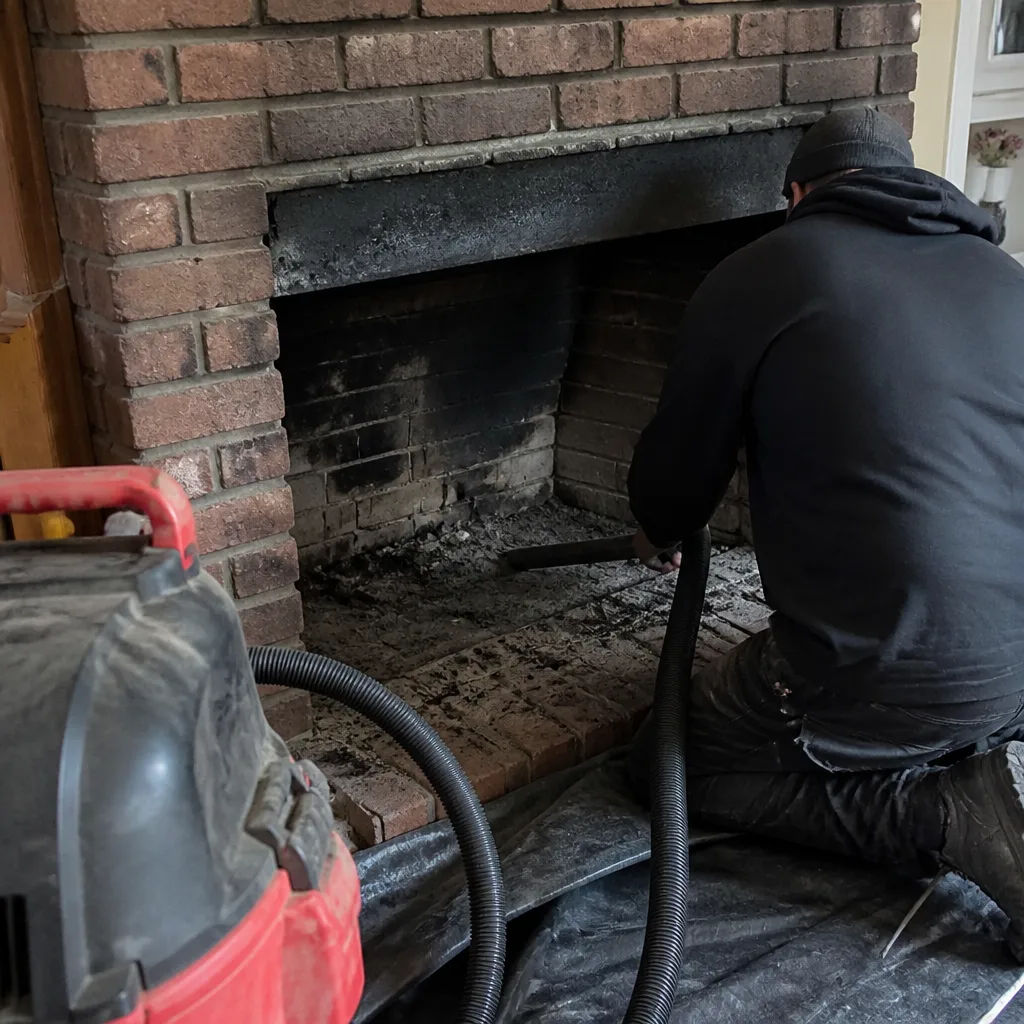
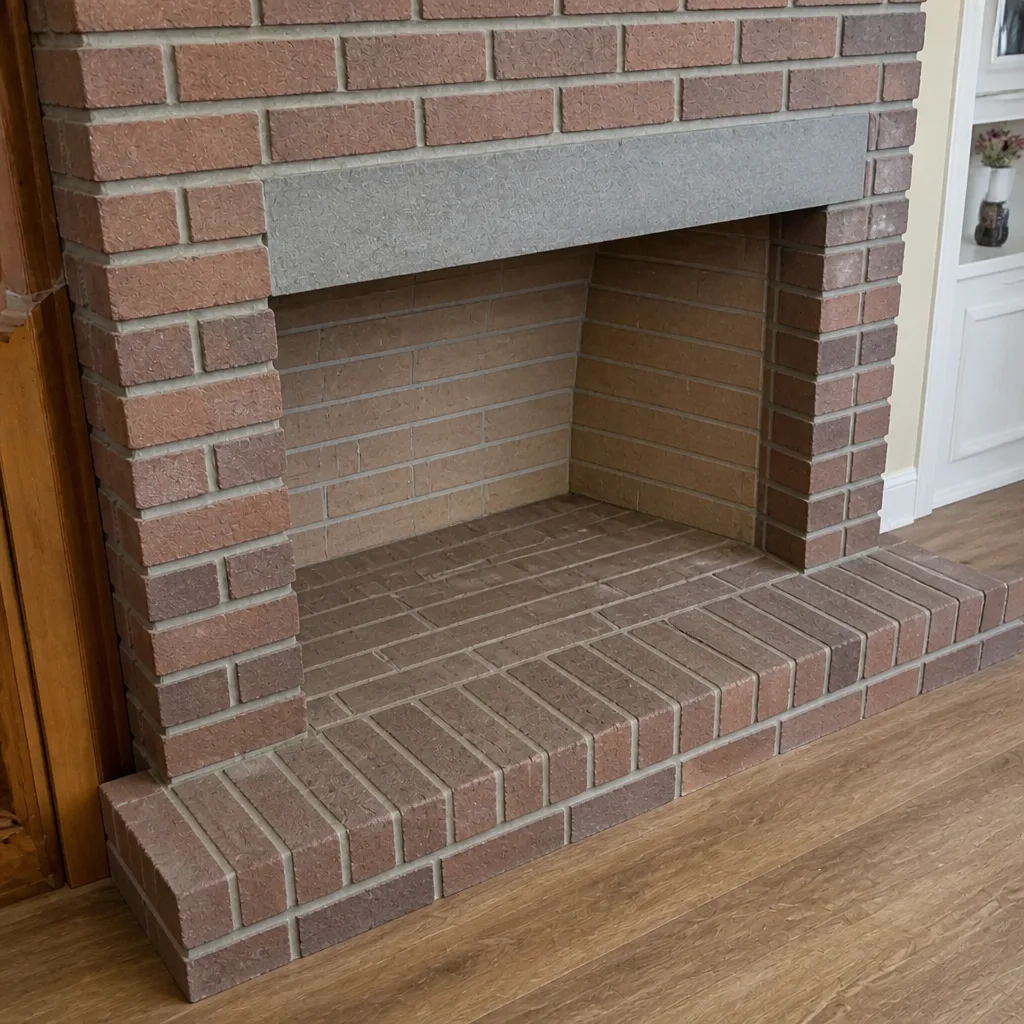
See the difference
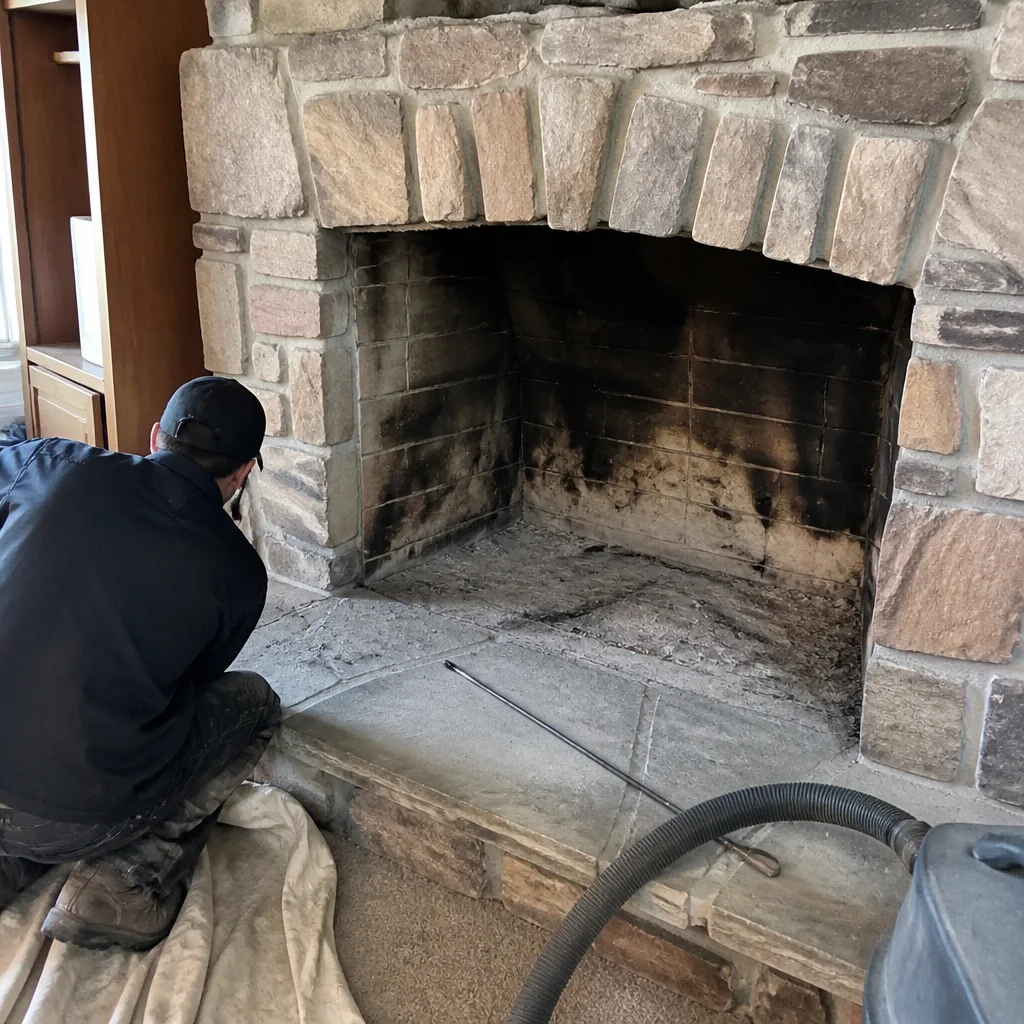 Before
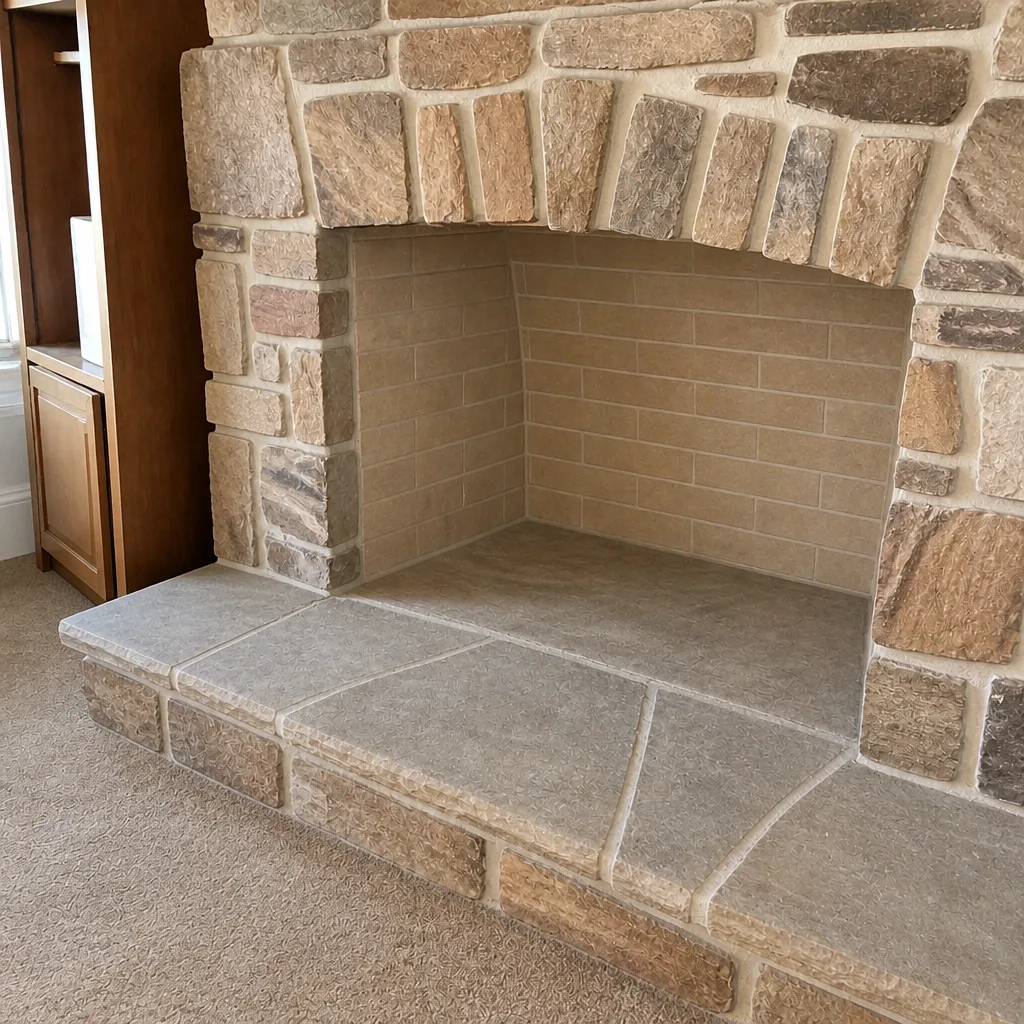 After
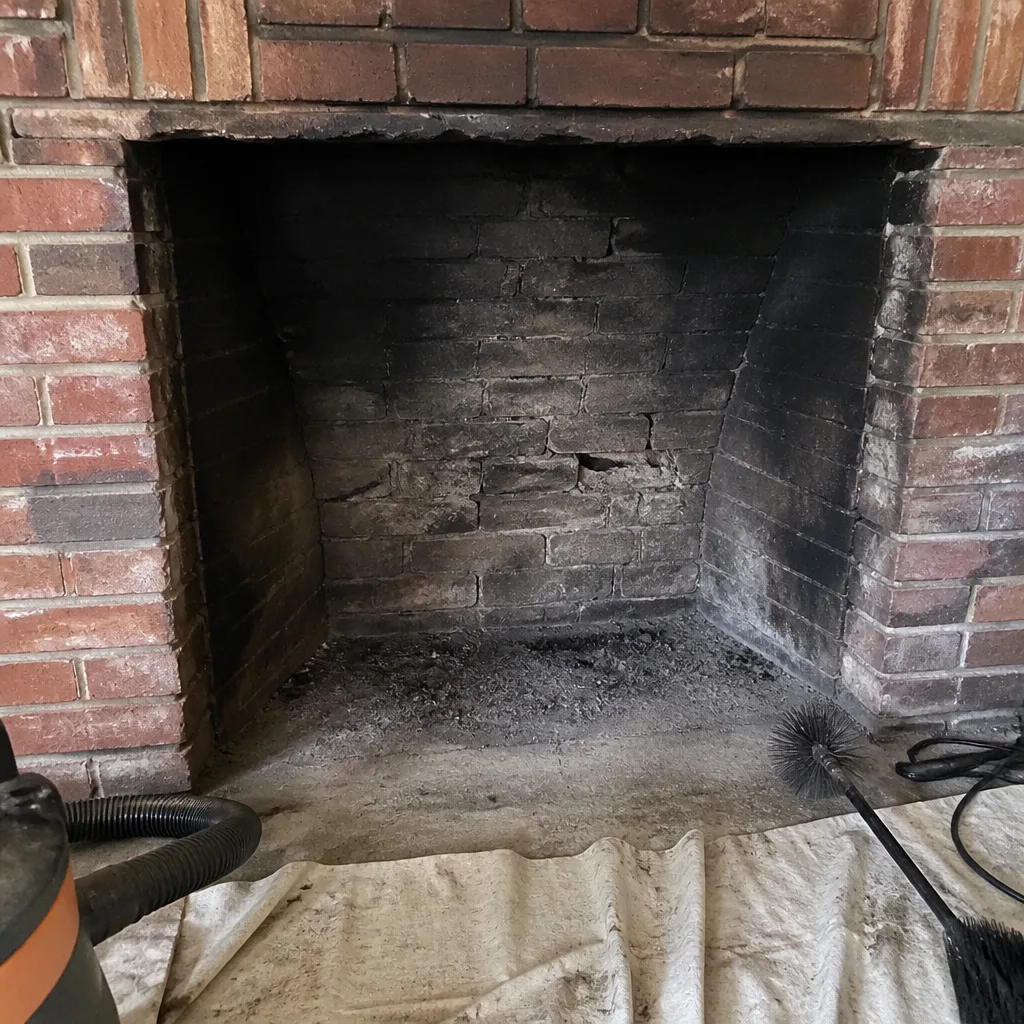 Before
 After
 Before
 After
When to Call a Professional
Call a professional when any of the following is true: you don’t know the last inspection date; the home is older and the chimney history is unknown; you burn frequently through an Ogden winter; you have a stove, insert, or gas appliance rather than an open masonry fireplace; you suspect or know of a prior chimney fire; the flue has offsets, bends, or known damage; or you can’t safely inspect the top of the system from the roof. Also call if you’ve never had the chimney inspected and simply don’t know its condition. Those are the situations where an inspection comes first and the cleaning decision follows from what it shows. Ogden Chimney Sweep offers free estimates in Ogden. Call (866) 937-7544. We answer 24/7. Fast dispatch from 7am to 7pm, Sunday through Friday.
Frequently Asked Questions
Most homeowners should have their chimney inspected annually and swept when the inspection shows enough buildup to warrant it. In Ogden’s cold winters, a home that burns wood frequently as a primary or secondary heat source may need sweeping more than once a year, because creosote accumulates faster in a long heating season. Call (866) 937-7544 for an exact quote on your chimney, based on what the inspection finds.
You can safely brush an accessible straight flue on a lightly used open masonry fireplace, provided you have a recent inspection showing the liner is intact. You cannot assess liner condition, smoke chamber condition, or creosote stage with a brush kit, and those are the details that determine whether the system is safe. If the last professional inspection is more than a year old, start there.
Creosote accumulates with every fire, and at high enough concentrations it can ignite, causing a chimney fire that damages the liner and can spread to the structure. A cracked liner from heat stress or settle movement can also vent combustion gases into the home. Both risks build silently, which is why inspection matters more than cleaning frequency alone. Call (866) 937-7544 for an exact quote on your chimney before the next heating season.
You need a new liner only when the inspection shows the existing liner is no longer safe. Clay tile can crack from heat cycling, and factory-built liners can separate at the joints. If a camera inspection shows the liner is intact, relining isn’t necessary. When it’s warranted, we install DuraFlex flexible stainless liner systems so the flue can be restored without rebuilding the chimney. Call (866) 937-7544 for an exact quote on inspection and relining options.
Professional chimney sweeping is priced per job from a written estimate, not from a flat national rate, because the work depends on your system’s configuration and condition. The inspection is what reveals whether a standard sweep is enough or whether the flue needs more. Call (866) 937-7544 for a free estimate. We answer 24/7. Fast dispatch from 7am to 7pm, Sunday through Friday.
That uncertainty is the reason to schedule an inspection rather than attempt a DIY clean. An inspection gives you a documented picture of liner, smoke chamber, crown, and cap condition, and it tells you plainly what can safely wait. We inspect before we recommend, and nothing is suggested without camera findings you can see for yourself. Call (866) 937-7544 for an exact quote.
The Bottom Line
DIY chimney cleaning isn’t a capability question. It’s a visibility question. A homeowner can brush an accessible straight flue on a lightly used fireplace and call it clean, and still miss the liner crack, the smoke chamber buildup, or the crown failure that actually threatens the home. In Ogden’s long, cold heating season and freeze-thaw climate, those hidden problems build faster than most homeowners expect. Use the four-variable framework: fireplace type, age of home, last inspection date, and burn frequency. If any answer is uncertain, an inspection comes first and cleaning follows from what it shows. Professional work covers cleaning, inspection, structural repair, and component installation for the whole system, from cap to crown, in a single service relationship. Call (866) 937-7544 for a free estimate and a clear read on your chimney’s condition.
Written by the team at Ogden Chimney Sweep.