
Last updated November 24, 2026
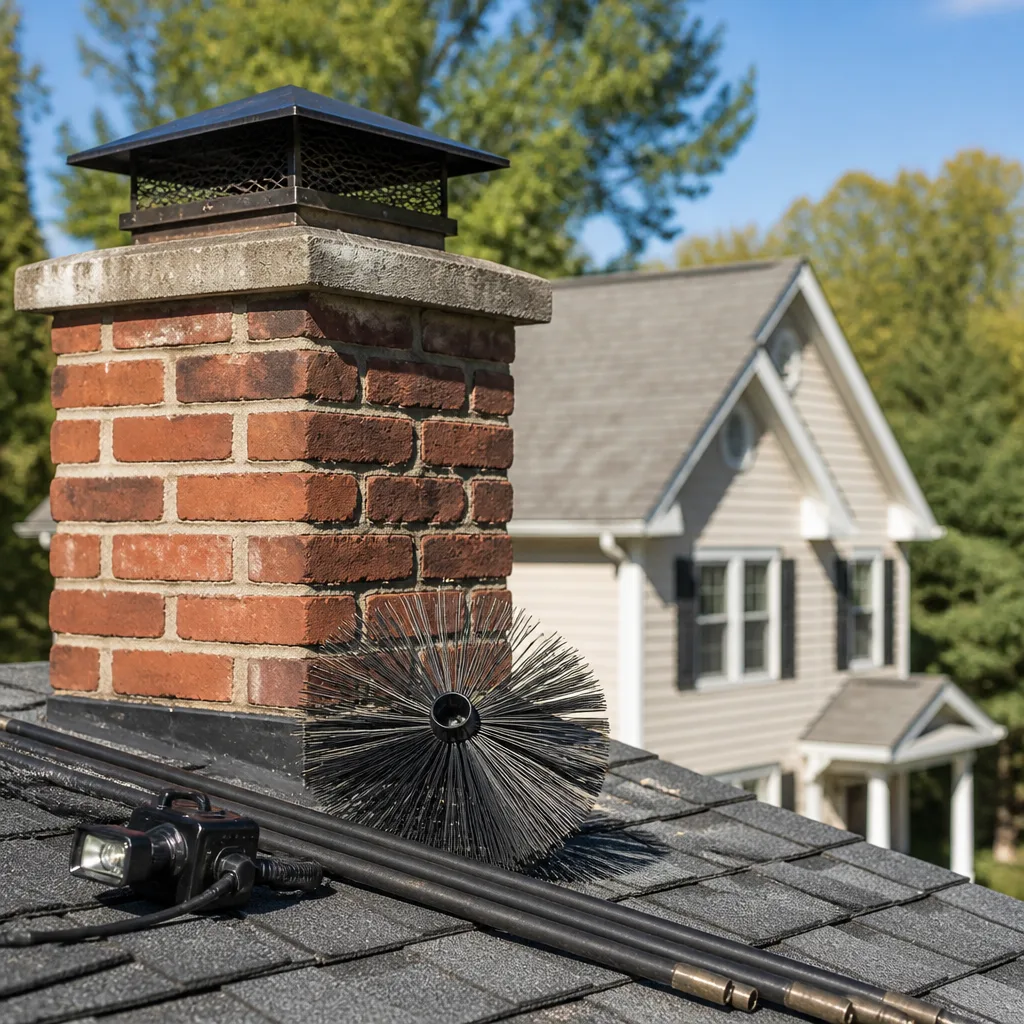 Sweep & inspection
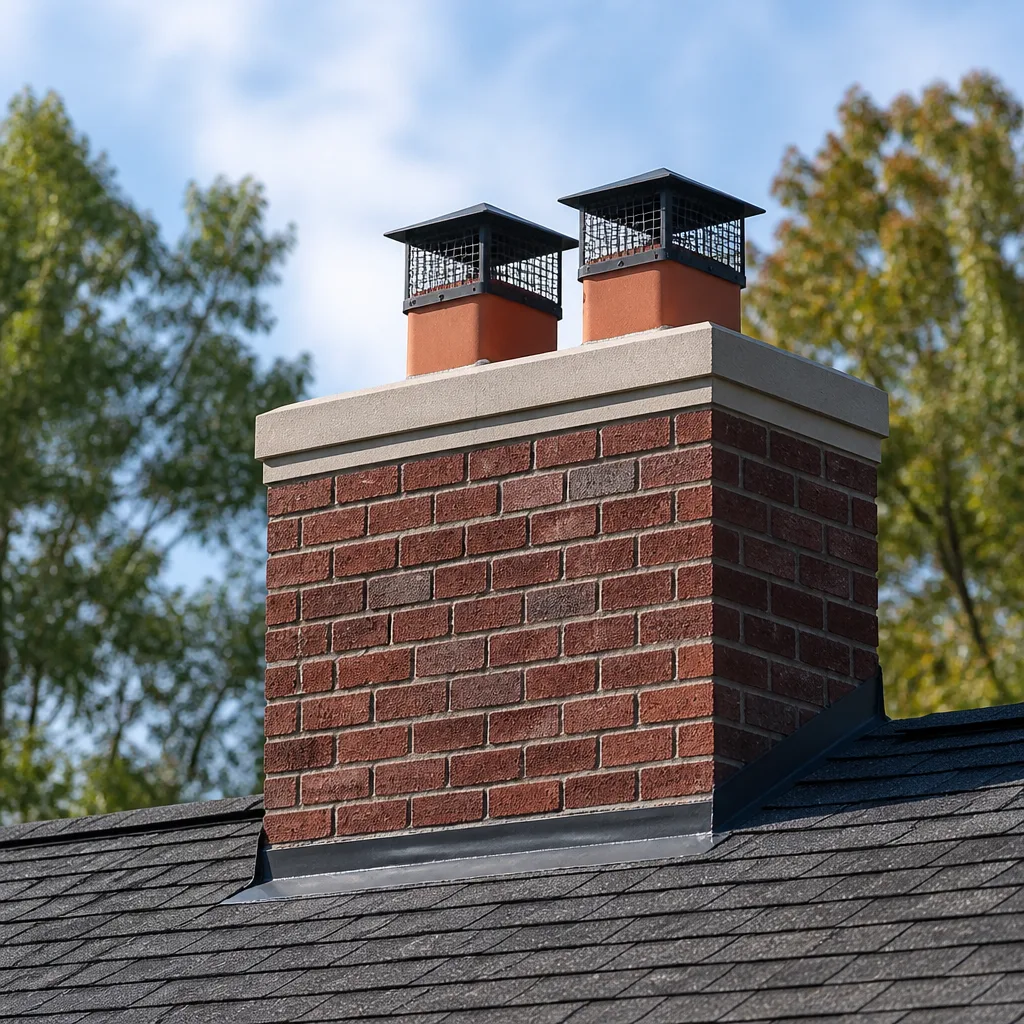 Caps & crowns
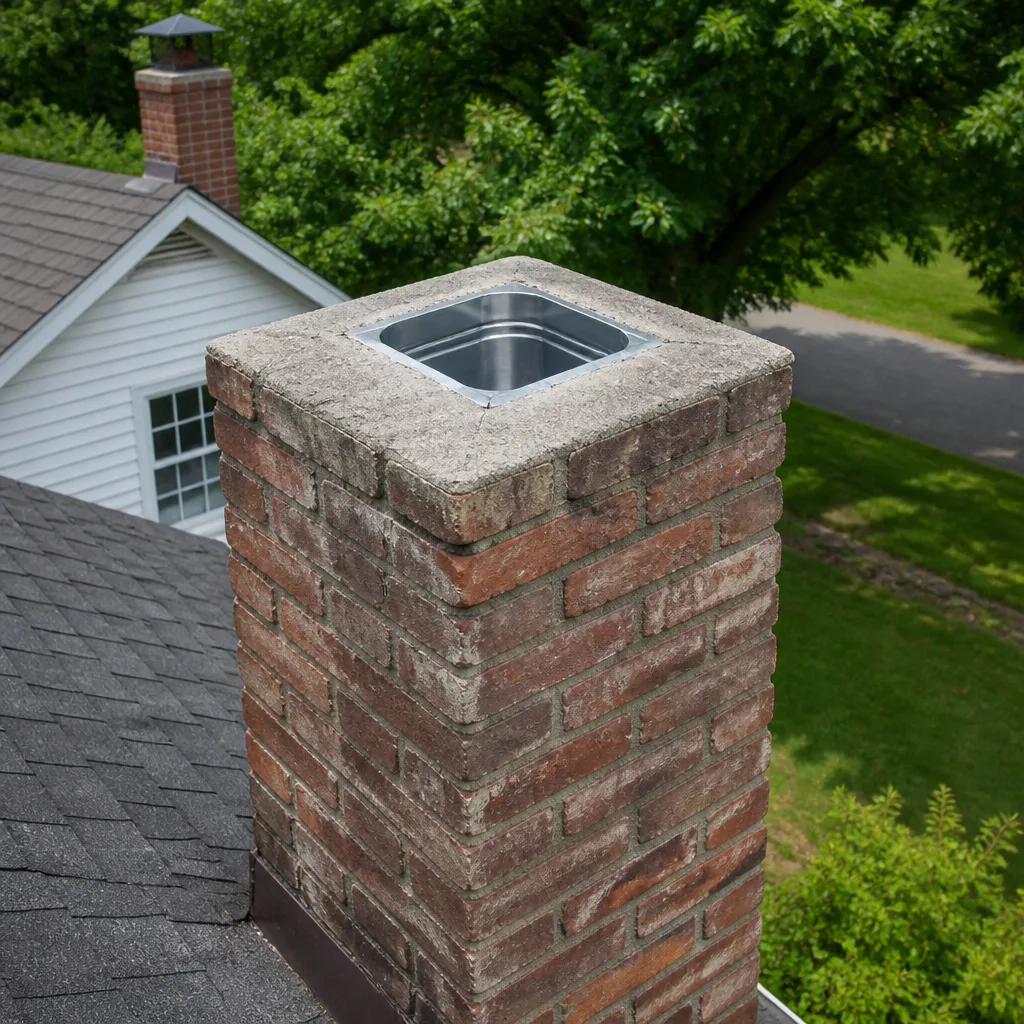 Flue relining
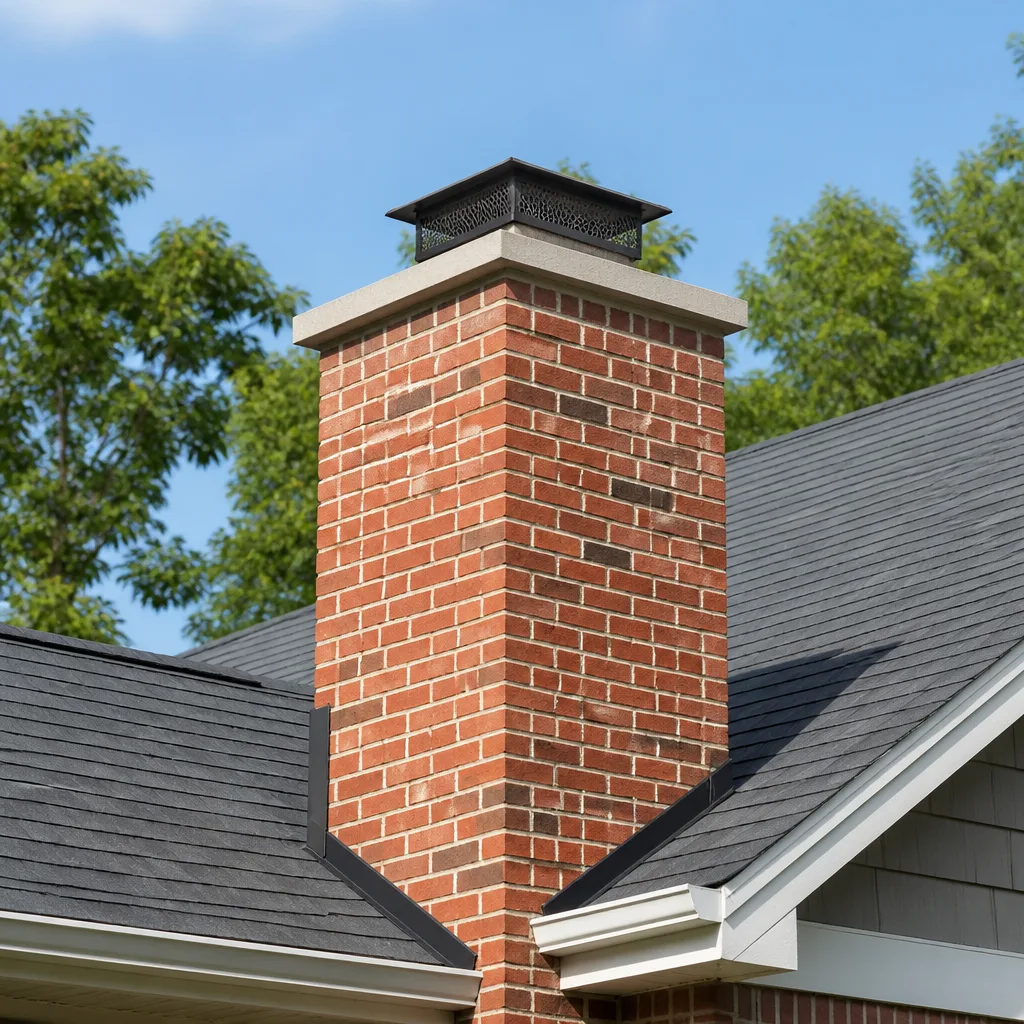 Masonry repair
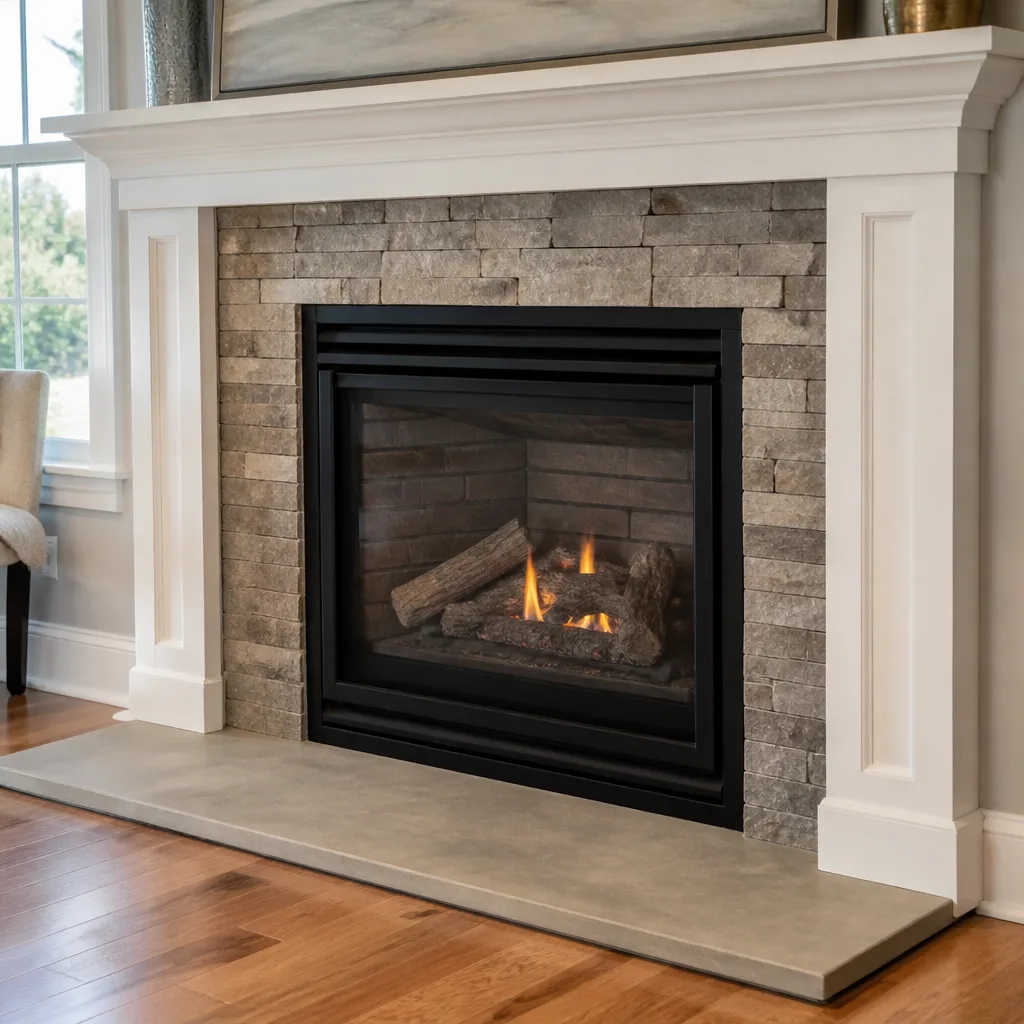 Gas fireplace service
Level 1 sweep and inspection to the NFPA 211 annual standard - flue, crown, cap, and flashing checked and photographed
Chimney sweep logs do not sweep chimneys. They loosen some creosote - which then falls where a brush and vacuum still have to collect it.
The Complete Guide to Chimney Cleaning in Ogden
Most homeowners assume a chimney either works or it doesn’t. In our experience around Ogden, that’s not how it fails. Chimneys degrade quietly: a hairline crack in the flue tile, a crown that’s pulling away from the brick, a quarter-inch of glazed creosote nobody noticed because the fire still draws. By the time a problem becomes obvious, it’s usually been building for several seasons. This guide walks through what chimney cleaning in Ogden actually involves, how the valley’s elevation and winter air affect what collects inside your flue, how to read an inspection report, and how to tell a thorough cleaning from a quick brush-and-go. You’ll finish knowing what to ask, what to expect, and when to schedule.
Quick Answer
Chimney cleaning in Ogden means removing soot, ash, and creosote from the firebox, smoke chamber, and flue, then inspecting the full system – liner, crown, cap, and firebox – for damage. Most wood-burning chimneys need a sweep once a year or after roughly a cord of wood, whichever comes first, and an annual inspection is the baseline regardless. The right sweep for your home depends on what’s actually inside the flue, which is why we inspect before we recommend.
Styles & brands we work with
- Sweep & inspection
- Caps & crowns
- Flue relining
- Masonry repair
- Gas fireplace service
Table of Contents
- Why Ogden’s Altitude Changes What Builds Up in Your Chimney
- Creosote in the Ogden Valley: Degrees, Causes, and What They Mean
- Level 1, 2, and 3 Inspections: Which One Applies After an Ogden Winter?
- Firebox-to-Flue Sizing in Older Ogden Homes
- What a Full-Service Cleaning Includes (and What Budget Sweeps Skip)
- How to Read a Sweep’s Report
- When to Schedule a Chimney Cleaning in Ogden
- What Does Chimney Cleaning Cost in Ogden?
Why Ogden’s Altitude Changes What Builds Up in Your Chimney
Ogden sits at roughly 4,300 feet elevation, and at that altitude a wood fire behaves differently than it does near sea level. There’s less oxygen in every cubic foot of air, so a fire needs more draft to pull the same combustion air through the firebox. When draft is marginal – a cold flue, a tight house, a damper that isn’t fully open – the fire burns cooler and less completely. Cooler, incomplete combustion leaves more unburned material behind, and that material is what condenses on the flue walls as creosote.
That’s the core reason national chimney guides written for lower-elevation readers don’t quite fit Ogden. A homeowner in a mild coastal climate might burn a similar amount of wood and see lighter deposits. Here, the same wood, the same stove, and the same burning habits can produce denser, faster-accumulating creosote because the fire is working against thinner air the whole time.
Ogden’s climate adds a second variable. Winters bring hard cold snaps and, in the valley, temperature inversions that trap cold air and pollutants close to the ground. Inversion conditions don’t just affect the air outside – they change how a chimney drafts. A flue that draws well on a clear, windy day can struggle when the air is heavy and still, and a struggling flue deposits more creosote.
What this means for you:
- Burn dry wood. Seasoned wood with low moisture content burns hotter and cleaner than green wood. This is the single biggest lever you control.
- Don’t smolder. Long, slow, oxygen-starved burns feel efficient but produce far more creosote than a hot, active fire.
- Warm the flue before lighting. A cold flue drafts poorly at first. A brief warm-up helps the fire establish strong draft and burn cleaner from the start.
- Get an annual inspection. At Ogden’s elevation, deposits build faster than many homeowners expect. A yearly look catches them before they matter.
None of this is meant to alarm you. A chimney burning well-seasoned wood with good draft stays reasonably clean. The point is that “good draft” is a higher bar at 4,300 feet, and it’s worth checking what your chimney is actually doing.
Creosote in the Ogden Valley: Degrees, Causes, and What They Mean
Creosote is the residue left when wood smoke cools and condenses on the inside of a flue. It’s the main reason chimneys get swept, and it’s the main reason chimney fires happen. Not all creosote is the same, though, and the difference matters for how it’s removed and how urgent it is.
Chimney professionals describe creosote in three stages:
- First-degree creosote is a light, sooty dust or flaky film. It brushes off easily with standard sweep tools, and it’s the residue most well-managed chimneys carry between cleanings.
- Second-degree creosote is darker and denser – a crusty, sometimes tar-like layer that clings to the flue walls. It comes off with more work: stiff brushes, scrapers, and sometimes chemical treatment.
- Third-degree creosote is glazed, hardened, and fuel-rich. It looks almost like a shiny black coating on the flue. It’s hard to remove, it’s highly combustible, and it’s the stage most associated with serious chimney fires.
Here’s where Ogden’s conditions matter. Incomplete combustion from thin air and marginal draft drives the fire toward cooler, smokier burns – and cooler smoke deposits more creosote, faster. That’s why third-degree glazing shows up in Ogden chimneys more often than a homeowner burning the same amount of wood at lower elevation might experience. Cold snaps and inversion days, when draft weakens and fires smolder more, push deposits further in the same direction.
The practical takeaway: if you’ve been burning a lot of wood through Ogden winters and you haven’t had the flue looked at in a while, don’t assume the deposits are light just because you burn “clean” wood. Third-degree creosote can build under good habits too, and you can’t see the inside of your own flue.
Removing glazed creosote is real work. A standard brush pass won’t fully clear it, which is why a thorough sweep assesses the creosote stage first and then uses the tools the job actually requires – scrapers, rotary equipment, or in stubborn cases chemical treatment before a follow-up sweep. This is a good moment to note the company we’re part of handles the full job: a professional chimney sweep assesses the flue, removes what’s there, and flags what needs repair.
One more point on creosote and safety. A chimney carrying heavy glazed creosote is a chimney fire risk, and chimney fires can spread beyond the flue into the surrounding structure. That’s not a reason to panic – it’s a reason to get the flue inspected and cleaned on schedule rather than after a problem makes itself known.
Level 1, 2, and 3 Inspections: Which One Applies After an Ogden Winter?
Not every inspection is the same, and the differences are formalized in the trade. There are three standard levels, and which one your chimney needs depends on what’s happened since the last inspection and what’s changing about how you use the chimney.
Level 1 Inspection
A Level 1 inspection is the baseline. It covers the readily accessible parts of the chimney and venting system – the firebox, damper, visible portions of the flue, the chimney exterior, and the cap – without special tools or opening anything up. It’s the right inspection when nothing has changed: same appliance, same fuel, no known problems, and no recent event like a chimney fire or a structural change.
Level 2 Inspection
A Level 2 inspection goes further. It covers everything in a Level 1 plus accessible portions of the attic, crawlspace, and other areas, and it typically includes video scanning of the flue interior. It applies when something has changed or when there’s reason to look deeper:
- You’ve moved into a home and don’t know the chimney’s history.
- You’ve changed the appliance or fuel type – say, converting to a gas insert or adding a wood stove.
- You’ve had a chimney fire or a near-miss event like a puff-back.
- There’s visible damage, a water leak, or a structural change to the chimney.
- You’re buying or selling the home.
Level 3 Inspection
A Level 3 inspection is the deepest look and is used only when a serious hazard is suspected and getting to it requires removing parts of the chimney or building – opening a wall, for example, to reach a concealed section of flue. It’s uncommon, but it’s the correct call when a Level 1 or 2 turns up something that can’t be evaluated any other way.
Which level applies after a typical Ogden winter? Usually a Level 1 if you’re the longtime owner and nothing has changed, but a Level 2 is the better fit if it’s your first season in the home, if you’ve switched fuel or appliances, or if you had any chimney event during the heating season. Our rule is simple: match the inspection to the history. If the history is unknown, a Level 2 removes the guesswork – it’s the only way to know what’s inside a flue you can’t see.
Firebox-to-Flue Sizing in Older Ogden Homes
Ogden has a lot of older housing stock – bungalows and Victorian-era homes whose chimneys were built for a different era of heating. One of the most common issues we see in these homes is a mismatch between the firebox opening and the flue diameter. That ratio matters more than most homeowners realize, because the flue has to be sized to pull the volume of smoke the firebox produces.
When the ratio is off, you get one of two problems:
- Flue too large for the firebox. The oversize flue moves too much air and cools the smoke too quickly, so it condenses against the flue walls as creosote. It also drafts sluggishly because the fire can’t heat that much flue volume. The result is a smoky, slow-burning fire and accelerated deposits.
- Flue too small for the firebox. The firebox produces more smoke than the flue can carry, so smoke backs up into the room. That’s a draft problem and a health concern in the same package.
In a correctly sized system, the flue matches the appliance and the firebox opening. Older Ogden homes often have a flue sized for an old open fireplace, then adapted to a newer insert or stove without re-evaluating the match. That’s where sizing problems show up.
Fixing a mismatch isn’t about tearing things apart. A flexible stainless liner can bring an oversize flue down to the correct size for the appliance – exactly what a DuraFlex flexible liner system is for. It gives you a correctly sized, smooth flue surface that drafts better and collects less creosote. If you’re converting to a gas or oil appliance, the same relining approach applies, matched to the appliance’s venting requirements. A professional relining job is not a weekend project and the liner has to be sized and installed to the appliance; that’s the kind of work a trained professional should handle.
If you’ve noticed your fire smokes when you light it, or the draft seems weak no matter what you do, sizing is the first thing worth checking. It’s also a good moment to mention a related piece of the system – chimney cap & crown work, since a damaged crown or missing cap affects draft and lets water into a flue that’s already trying to do its job with a bad ratio.
What a Full-Service Cleaning Includes (and What Budget Sweeps Skip)
Chimney cleaning means different things depending on who shows up. A thorough cleaning covers the whole system from the firebox to the top of the flue, and it’s done with the right tools for what’s actually inside. A budget sweep is a brush down the flue and nothing more. The difference is in the details, and it’s worth knowing them before you book.
A full-service cleaning generally includes:
- A pre-sweep inspection. Before any tools go in, we look at the firebox, damper, flue, crown, and cap to understand what’s there. We inspect before we recommend.
- Protecting the living space. Drop cloths and containment keep soot out of the room. This is basic but not universal, and it matters when a sweep is working inside your home.
- Cleaning the firebox and smoke chamber. Soot and ash collect in both. A sweep that only brushes the flue leaves deposits above the damper and in the smoke shelf – areas that affect draft and deposits.
- Sweeping the full flue. Top to bottom with brushes appropriate to the flue size and liner type, not just whatever brush is on hand.
- Removing the creosote present. Light soot sweeps off; glazed creosote needs scrapers, rotary tools, or chemical treatment. A sweep that treats every flue the same may leave a glazed layer behind.
- A post-cleaning inspection and report. What we found, what it means, what’s urgent, what can wait.
What budget sweeps quietly skip: the smoke chamber, the flue camera, the crown and cap check, the report, and often the containment that keeps soot out of your home. Some also skip the sizing check entirely and sweep a flue that was never correctly matched to the firebox – clean, but still wrong. A low price often reflects a shorter scope, not a better deal.
One more thing worth knowing: cleaning and repair aren’t separate trades here. Because we handle the full chimney lifecycle – cleaning, inspection, fireplace repair, structural chimney repair, and cap and crown installation – the person who finds a problem is the same operation that fixes it. There’s no handoff, no second contractor, no gap between “who found the problem” and “who fixed it.”
For gas inserts and other appliances, the cleaning focus shifts – less creosote, more attention to venting and the appliance-to-flue match. If your fireplace has other issues, like a damaged firebox or a balky damper, a fireplace repair visit can address them in the same service relationship.
How to Read a Sweep’s Report
A good sweep leaves you with more than a clean flue. You should get a written or photographed record of what was found and what it means. The trick is knowing which items are urgent and which are simply things to watch. Here’s how to sort a report into three buckets.
Urgent – act before the next fire
- Glazed, third-degree creosote that wasn’t fully removed.
- Cracked or compromised flue tiles with visible gaps.
- Blocked or partially blocked flue – a bird’s nest, a collapsed section, heavy soot.
- A crown pulling away from the masonry, or a missing cap with an open flue.
- Any evidence of a past chimney fire.
Watchful waiting – schedule, but it can wait a season
- Hairline cracks with no displacement.
- Light spalling on the exterior brick that hasn’t reached the flue.
- Aging mortar joints that need repointing eventually.
- A slightly loose cap that still keeps water out.
Sometimes upsold – ask questions
- “You need a whole new liner” without a camera look at the flue.
- Masonry rebuild recommendations with no visible evidence of failure.
- Any repair proposed before the inspection is finished.
Your defense against upsell is evidence. Nothing should be recommended without a camera look you can see for yourself. If a sweep says your flue needs a new liner, the report should show the cracked tile or the gap – not a summary sentence. When the evidence shows only watchful-waiting items, we say so, and the work can safely wait.
When to Schedule a Chimney Cleaning in Ogden
The best time to schedule a sweep is in the shoulder season, before burning starts – late summer or early fall. That gets you ahead of the burning season, gives you time to do any repair before you need the chimney, and avoids the rush once the first cold snap arrives. In Ogden, the window between the end of summer and the first real cold is the one to aim for.
How often a chimney needs sweeping depends on what you burn, not the calendar alone:
- Wood-burning fireplaces and stoves: once a year, or after roughly a cord of wood, whichever comes first.
- Gas appliances: annual inspection is still the baseline, though creosote isn’t the concern – venting and appliance condition are.
- Homes with heavy burning through an Ogden winter: a mid-season look if deposits build fast, because altitude and inversion days both push toward more creosote.
If you’ve just moved into an Ogden home, schedule a Level 2 inspection before the first burn. You don’t know the chimney’s history, and the previous owner’s habits are unknown. If you had a chimney fire – even a small one that didn’t seem like much at the time – get it inspected before you light again. And if the crown or cap looks damaged from the outside, get it checked; those are system components, and a cracked crown lets water into the flue.
One scheduling note on the calendar: our dispatch runs Sunday through Friday, 7am to 7pm, and we’re closed Saturday. Sweeps are booked rather than dispatched on demand, so the seasonal window is the thing to plan around, not a same-day call.
What Does Chimney Cleaning Cost in Ogden?
Chimney cleaning is priced per job by a written estimate, because the work varies with what’s actually inside the flue. There isn’t a single rate that fits every Ogden home – a light soot sweep on a maintained chimney is a different job than a deep clean on a glazed flue with a firebox to clear. The estimate should be agreed before the work is booked, and it should reflect what the inspection finds, not a flat guess.
What affects the price:
- The creosote stage and volume. First-degree soot cleans quickly. Glazed creosote requires more time, tools, and sometimes chemical treatment.
- Access and flue condition. A straight flue with a good cap is easier to reach than one with a damaged crown or a blocked cap.
- Whether repair is involved. A sweep that finds a cracked liner or a failed crown turns into a repair estimate, which is priced separately.
- Inspection level. A Level 1 and a Level 2 involve different scopes and different work.
We keep pricing straightforward: the sweep is priced per job and confirmed in writing before booking, so there’s no surprise charge after the fact. Any repair – a liner, cap, crown, or masonry work – is quoted from what the inspection shows. That’s the practical answer to “what will it cost”: get the estimate, see the evidence, decide from there. If the report shows only watchful-waiting items, we tell you the work can wait.
Ready to find out what your chimney needs? Call (866) 937-7544 for a free estimate – we’ll talk through what the job looks like and schedule the sweep.
Common Mistakes to Avoid
- Assuming a clean flue means a healthy one. A sweep can clear the creosote while a crack in the liner or a failing crown goes unnoticed. Inspection has to sit alongside cleaning, not after it.
- Burning green or wet wood because it’s convenient. Wood that hasn’t seasoned properly burns cooler and deposits far more creosote. At Ogden’s elevation, the effect multiplies. Season your wood.
- Treating the cap and crown as cosmetic. A missing cap invites birds, rain, and debris. A cracked crown lets water into the flue, and water plus masonry is a slow, expensive problem. Check them with every sweep.
- Ignoring a sizing problem because the fire “works.” A too-large or too-small flue still burns – it just drafts poorly, smokes, and collects creosote faster. If your fire smokes on lighting, get the ratio checked.
- Hiring a sweep without asking what the report includes. A brush-and-go sweep may leave the smoke chamber, camera scan, and crown check out of the job. Ask what the cleaning covers before booking.
- Putting off a post-chimney-fire inspection. Even a small chimney fire can crack the liner. Burn again without checking, and you’re burning into an unknown flue.
- Buying a liner or a rebuild on a verbal recommendation. Ask to see the scan. Nothing should be sold without evidence you can look at.
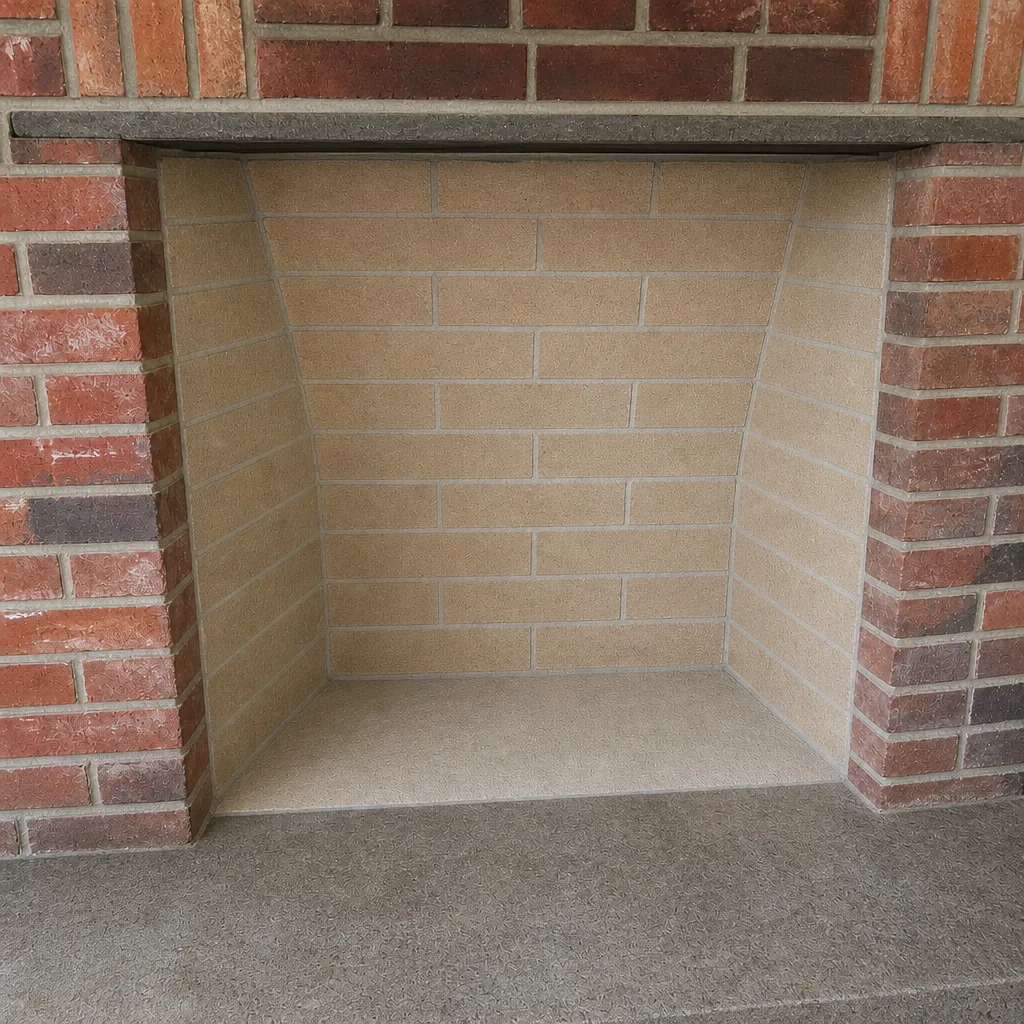
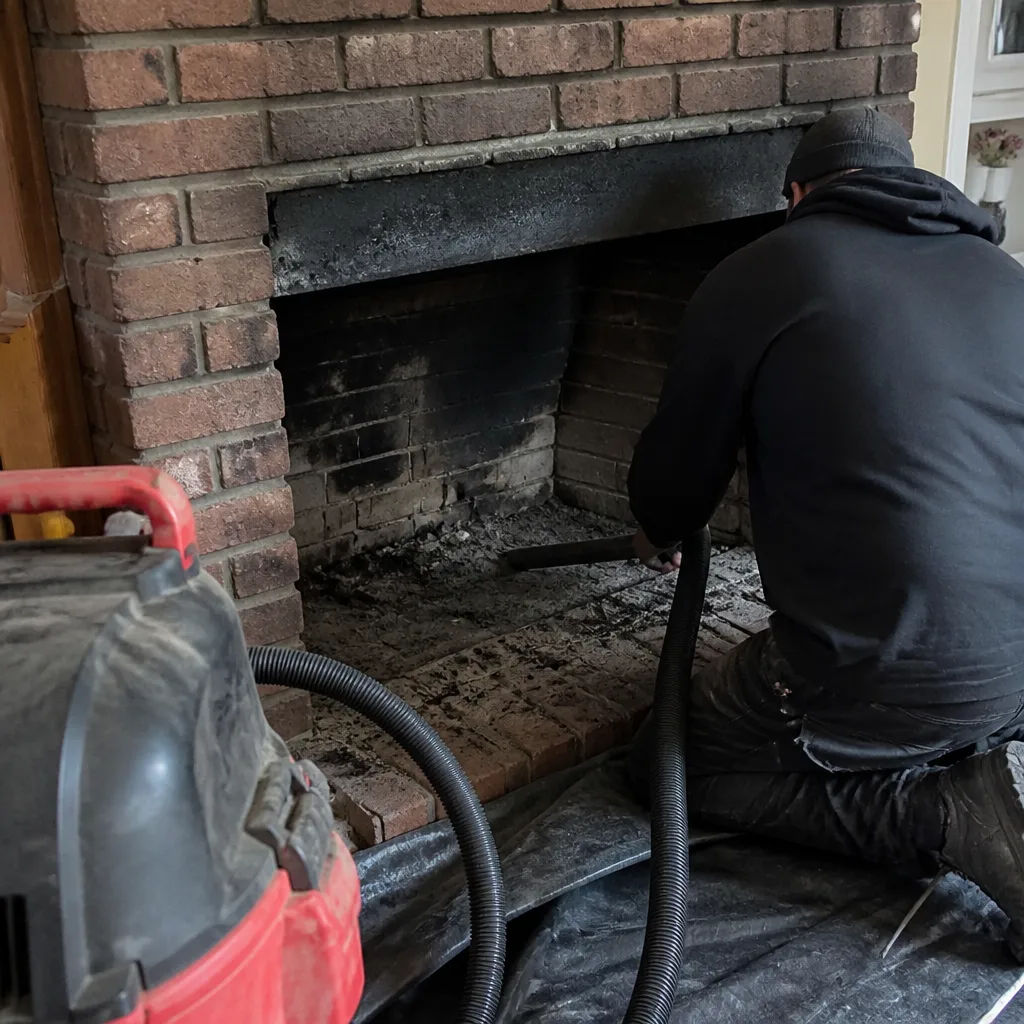
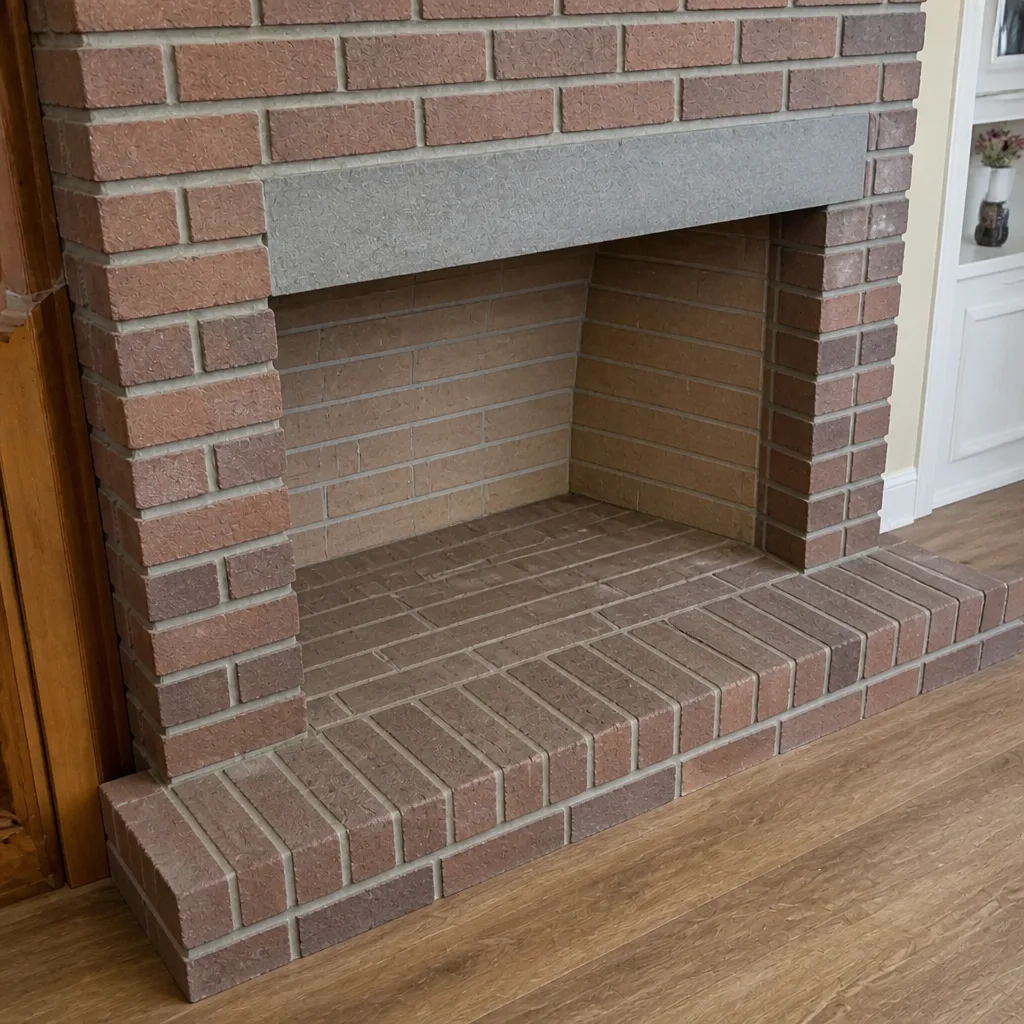
See the difference
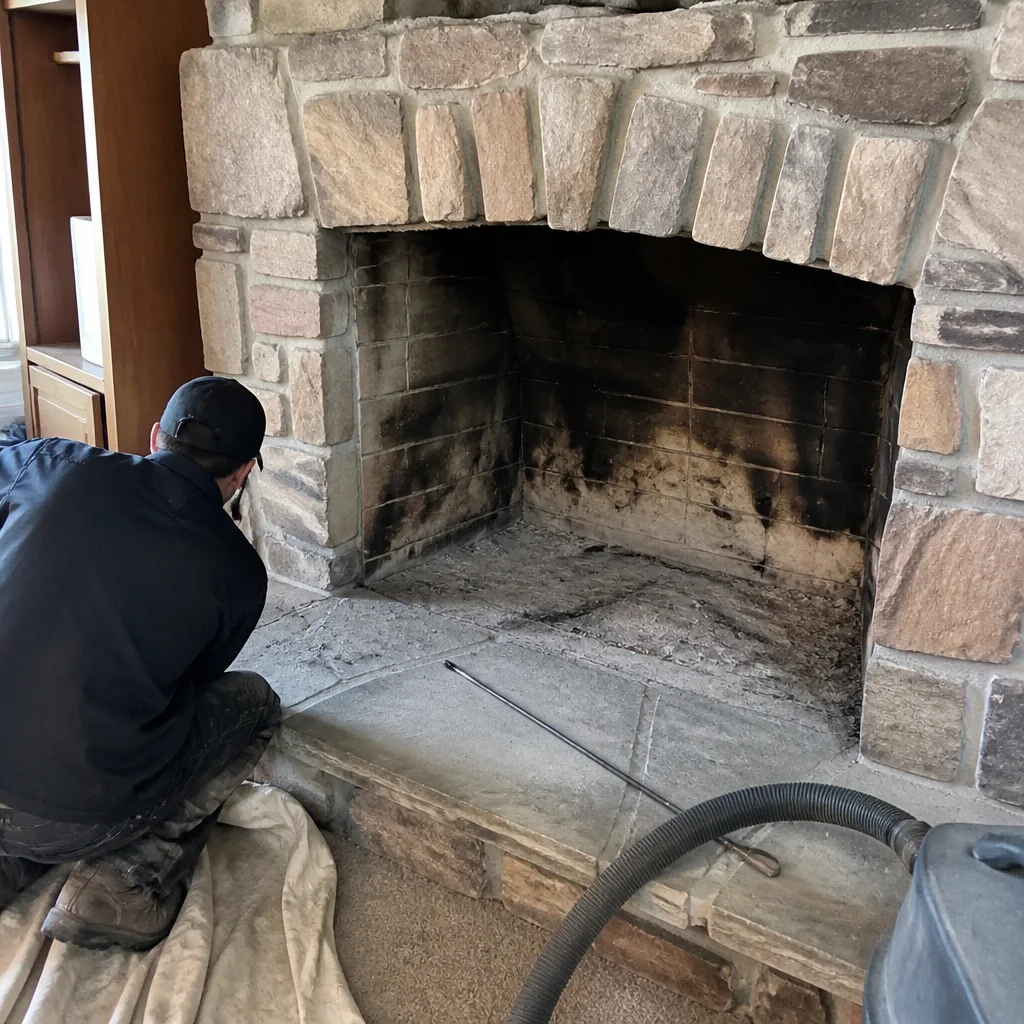 Before
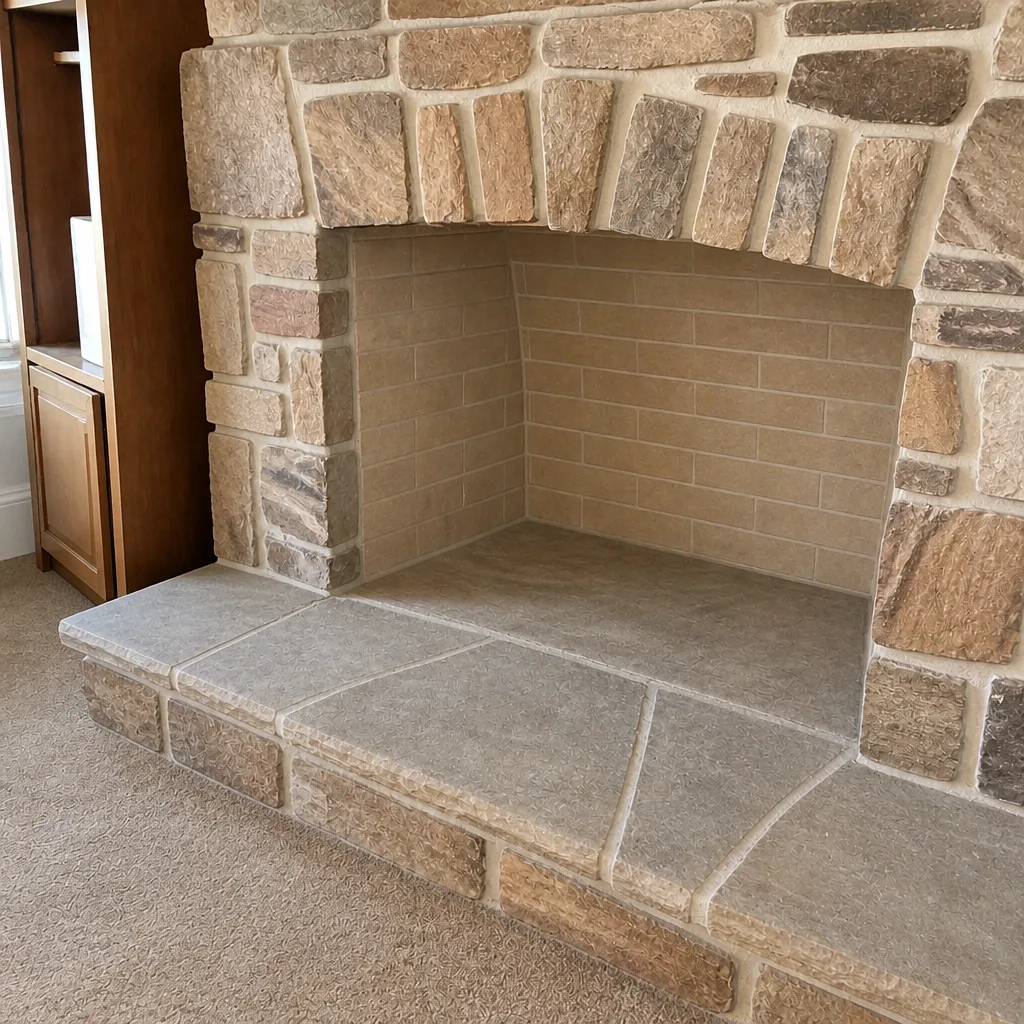 After
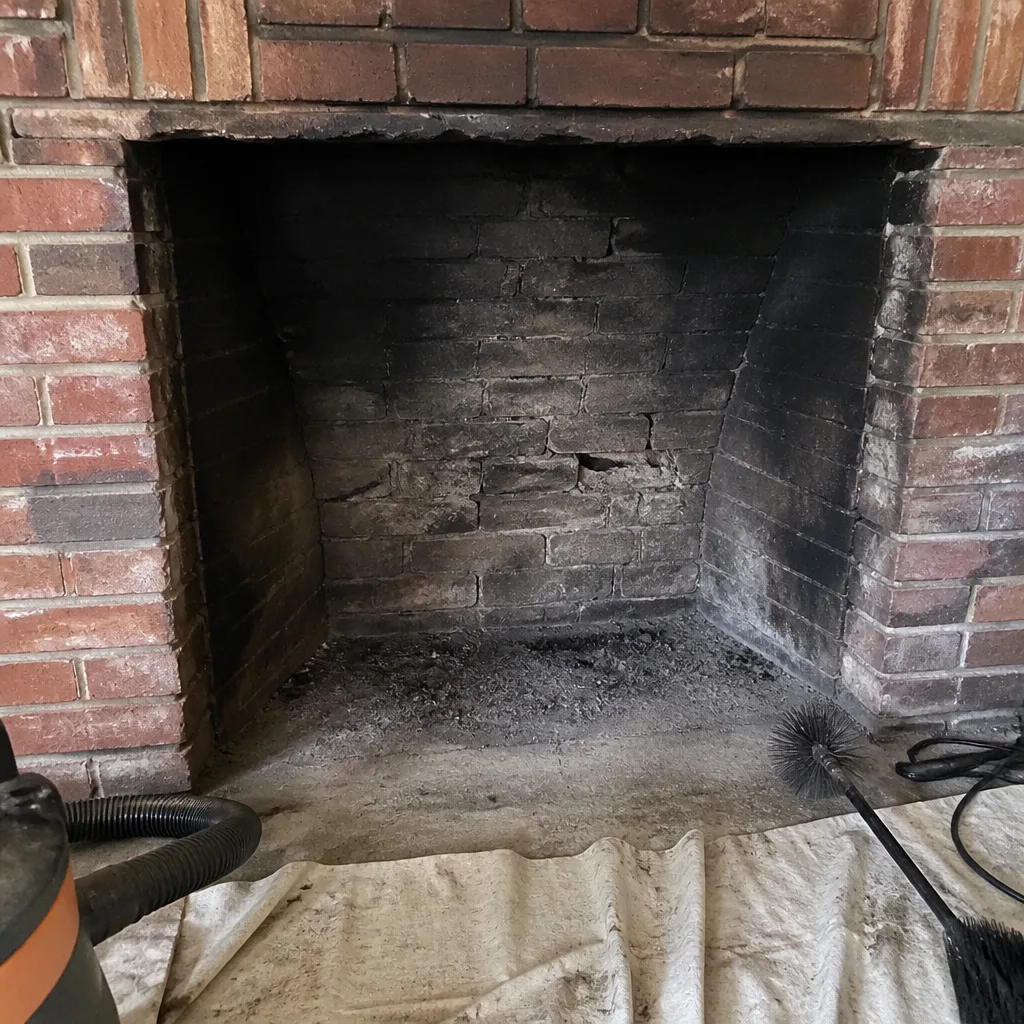 Before
 After
 Before
 After
When to Call a Professional
Call a professional when you smell smoke in the room with the damper open, when the fire smokes on lighting no matter what, when you see cracks in the masonry or the crown, or when you’ve moved into an Ogden home and don’t know the chimney’s history. Call before the burning season, not after. Call if you’ve had any chimney fire, even a small one. And call if a previous sweep flagged glazed creosote, a cracked tile, or a sizing problem that was never resolved. A trained professional handles the high-risk parts of this work – the liner, the flue interior, the crown – because those are the parts that fail quietly. Ogden Chimney Sweep offers free estimates in Ogden – call (866) 937-7544.
We answer 24/7. Fast dispatch from 7am to 7pm, Sunday through Friday. A call outside dispatch hours is booked into the next opening, Sunday through Friday, 7am to 7pm.
Frequently Asked Questions
Chimney cleaning in Ogden is priced per job by a written estimate, confirmed before the work is booked, because the scope depends on the creosote stage, flue condition, and whether repair is involved. Light soot sweep work is a smaller job than a deep clean on glazed creosote or a liner issue found during inspection. Call (866) 937-7544 for an exact quote – estimates are free.
Once a year, or after about a cord of wood, whichever comes first. At Ogden’s elevation, incomplete combustion is more common, so creosote can build faster than lower-elevation guides suggest. If you burn heavily through the winter, a mid-season check is worth considering.
Only if the evidence says so – a cracked tile, a gap, or a flue that’s the wrong size for the appliance. A liner recommendation should come with a camera scan you can see. If the report shows only watchful-waiting items, a new liner can wait. Call (866) 937-7544 for an exact quote – estimates are free.
Creosote keeps accumulating, and glazed deposits are the stage most associated with chimney fires. A block or a failing liner can also let smoke and carbon monoxide back into the home. Skipping isn’t a guarantee of a problem, but it removes the warning system – the annual inspection is what catches trouble early.
A Level 1 is usually enough if you’re the longtime owner and nothing has changed. A Level 2 is the better fit if you’ve moved into the home, changed appliances or fuel, or had any chimney event – it includes a video look at the flue. A Level 3 is reserved for serious suspected hazards.
Gas appliances don’t produce creosote the way wood does, but they still need annual inspection of the venting and the appliance-to-flue match. If you’ve converted to gas or installed an insert, a Level 2 inspection checks that the venting is correctly sized. Call (866) 937-7544 to schedule – estimates are free.
The Bottom Line
Chimney cleaning in Ogden isn’t a single-size service. Altitude, inversion-season draft, and the way wood burns at 4,300 feet all push creosote to build differently than it does in milder, lower-elevation places. The practical answer is simple: sweep once a year or after about a cord of wood, inspect the full system every season, and match the inspection level to your home’s history. When a sweep’s report shows urgency, get it looked at; when it shows watchful waiting, let it wait. Read the report, ask for the evidence, and call when something changes. That’s the whole game.
Ogden Chimney Sweep handles cleaning, inspection, fireplace repair, structural chimney repair, and cap and crown work in one service relationship – so the crew that diagnoses is the crew that restores and protects. Call (866) 937-7544. We answer 24/7. Fast dispatch from 7am to 7pm, Sunday through Friday.
Written by the team at Ogden Chimney Sweep.