
Last updated November 24, 2026
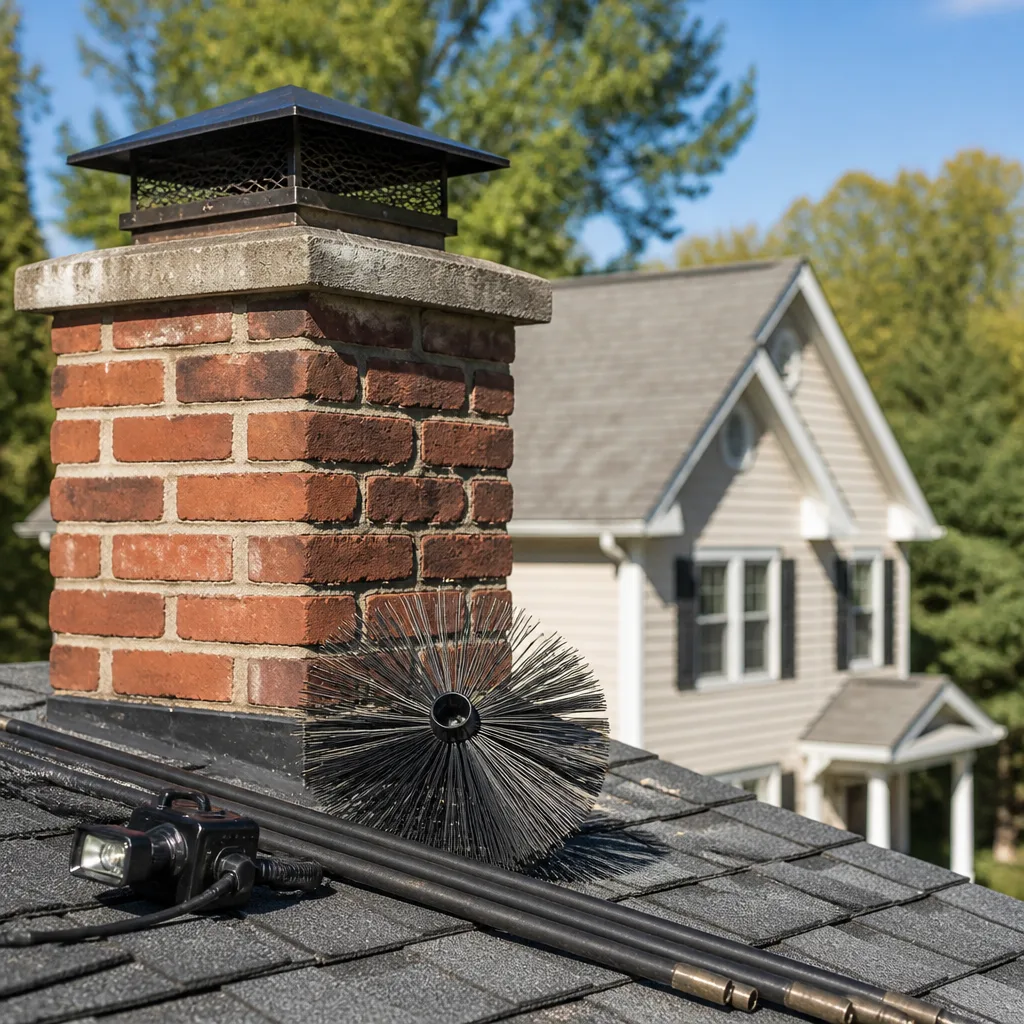 Sweep & inspection
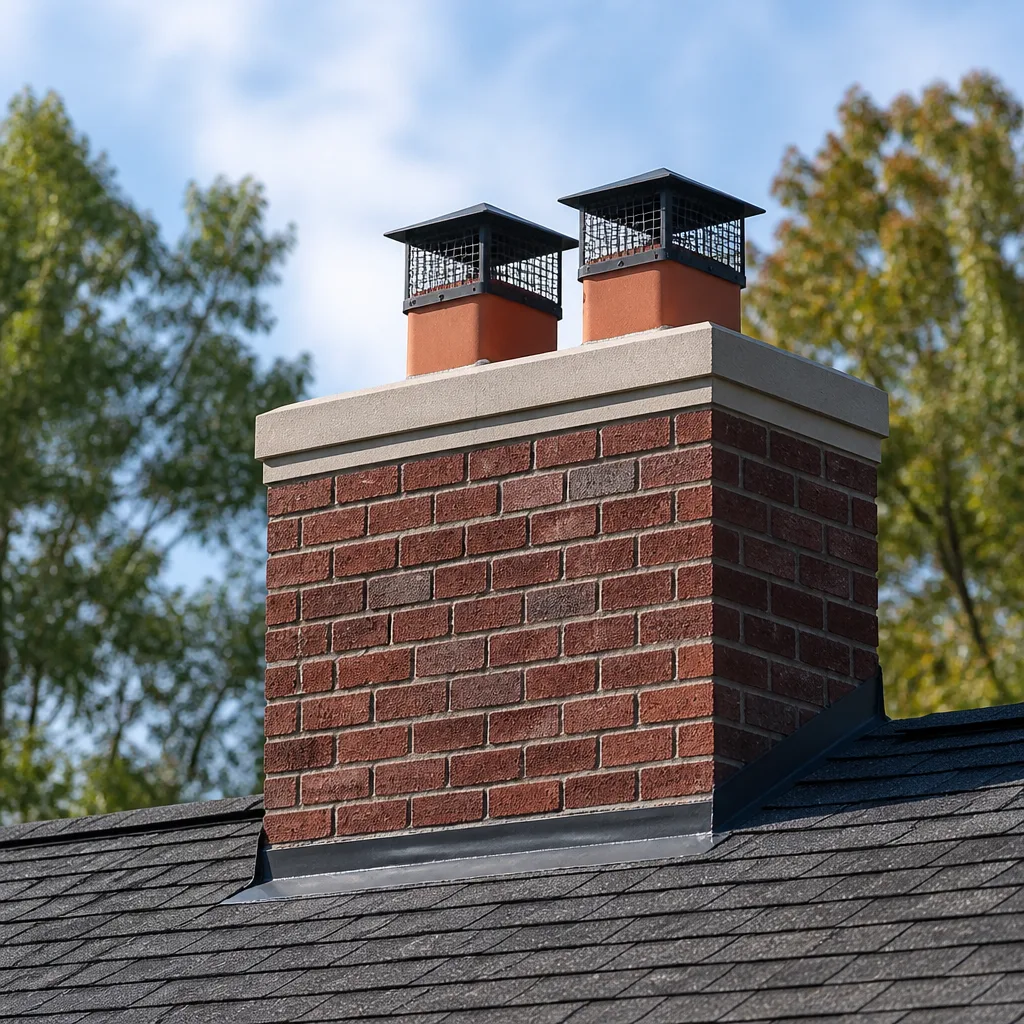 Caps & crowns
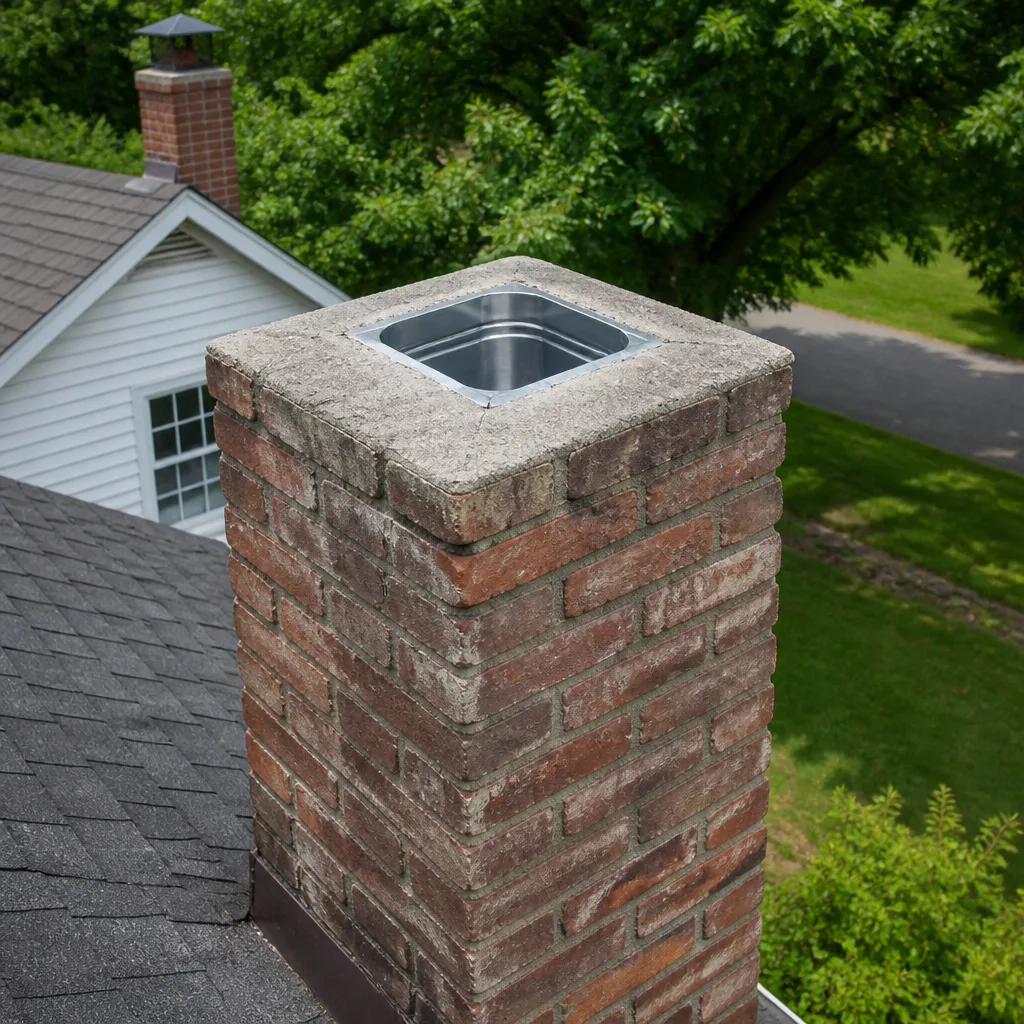 Flue relining
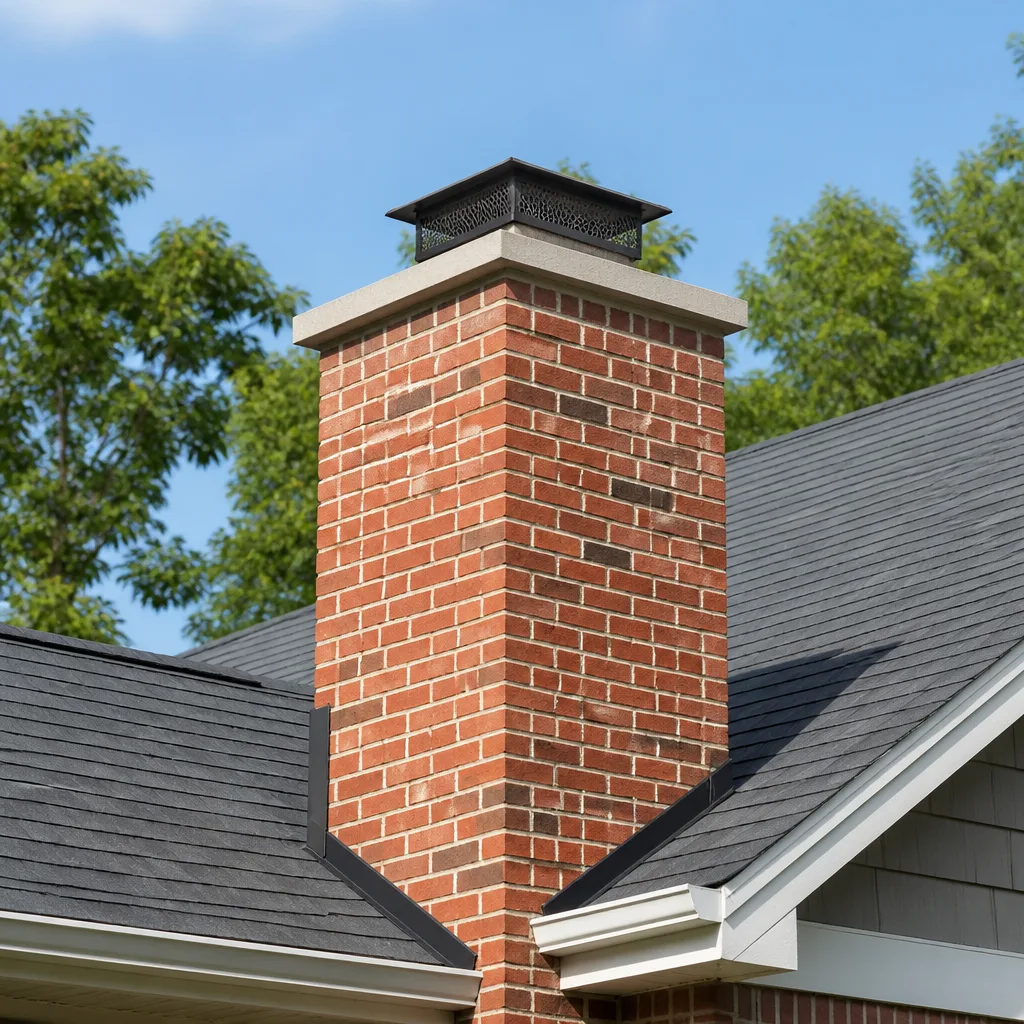 Masonry repair
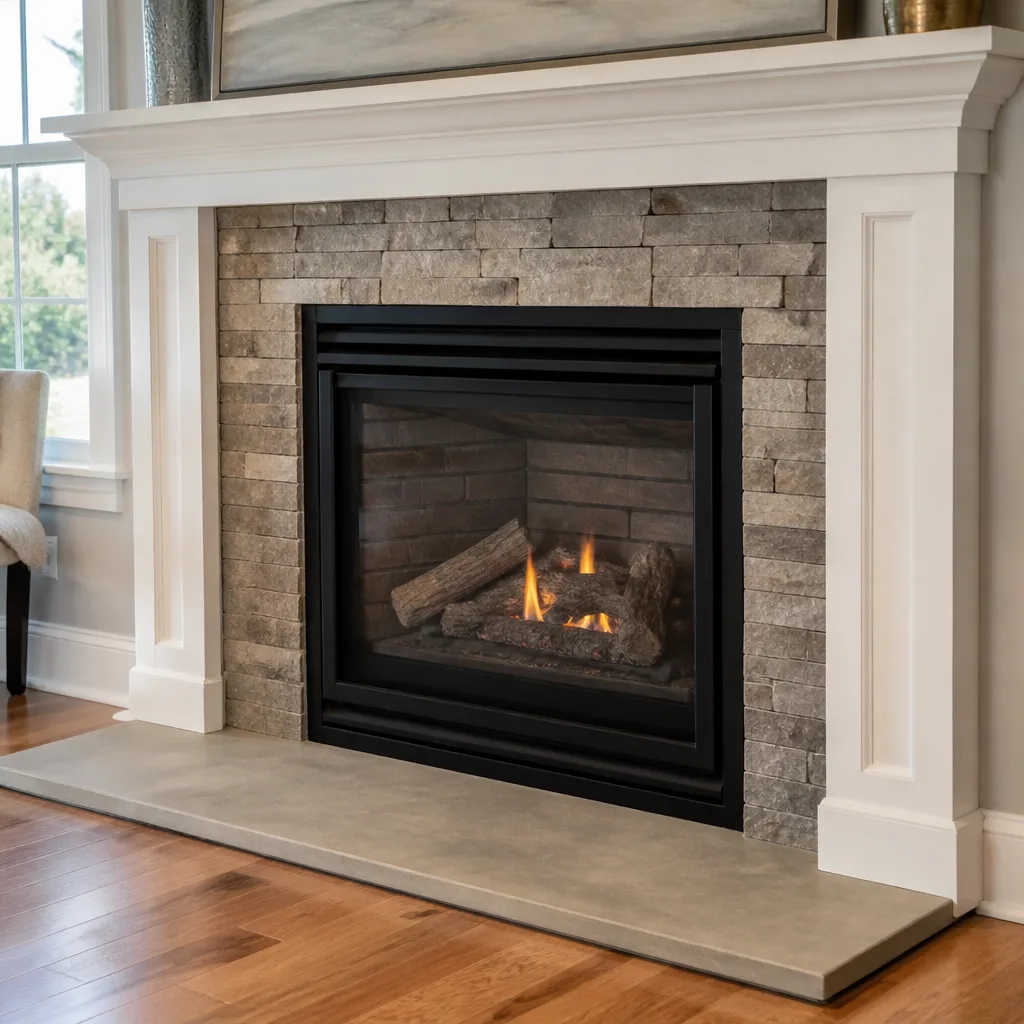 Gas fireplace service
Level 1 sweep and inspection to the NFPA 211 annual standard - flue, crown, cap, and flashing checked and photographed
Chimney sweep logs do not sweep chimneys. They loosen some creosote - which then falls where a brush and vacuum still have to collect it.
Chimney Cleaning Permits, Codes & Inspections in Ogden, UT: What You Need to Know
Here’s the part almost nobody explains before work starts: a routine chimney cleaning in Ogden needs no permit at all, but the repairs that often follow one can. A wood insert set into a fireplace, a stainless liner pulled down a flue, a rebuilt crown, a chase opened for a structural fix: each of those can sit inside Ogden City’s building permit rules and Utah’s adopted code. Homeowners who don’t know the line between exempt maintenance and permitted work can end up with a chimney that works fine and a paper trail that doesn’t. This guide walks through which services are exempt, which trigger permits, how inspections read during a home sale, and how to check past work before you buy.
Quick Answer
In Ogden, routine chimney cleaning, sweeping, and a standard Level 1 inspection do not require a building permit. Liner replacement, new appliance or insert installation, structural chimney repair, and major crown or masonry rebuilds generally do fall under Ogden City building permit requirements and Utah’s adopted residential code, which references NFPA 211 for chimney and venting standards. A Level 2 inspection with a written report is the document that matters most in a real estate transaction.
Styles & brands we work with
- Sweep & inspection
- Caps & crowns
- Flue relining
- Masonry repair
- Gas fireplace service
Table of Contents
- Exempt vs. Permit-Required Chimney Work in Ogden
- How Utah Code and NFPA 211 Shape Your Chimney
- What a Level 2 Inspection Report Actually Contains
- Inspections and Utah Real Estate Disclosures
- How to Verify Past Chimney Work Before You Buy
- The Ogden City Permit Process, Step by Step
- How Ogden’s Climate and Housing Stock Affect Chimney Condition
- Common Mistakes to Avoid
Exempt vs. Permit-Required Chimney Work in Ogden
Cleaning never needs a permit. A chimney sweep removes creosote, soot, and blockages from an existing flue using brushes and a vacuum, and that is maintenance. A Level 1 inspection, the visual check that comes with most annual sweeps, is also exempt. No plan review, no inspection card, no fees. If that is all your chimney needs, the permit conversation is over before it starts.
The picture changes the moment the system is modified. Here’s how the line usually breaks down in Ogden:
- Exempt: sweeping, Level 1 inspection, cap replacement where a like-for-like cap sits on the existing flue, minor firebox mortar touch-ups, damper adjustment.
- Typically permit-required: installing a new wood insert or gas appliance, relining an existing flue with a stainless liner, rebuilding a chimney above the roofline, structural repair to a chimney chase, and crown replacement involving masonry rebuild rather than a protective coating.
The reason this trips people up is that a liner installation feels like a repair, not construction. But a stainless liner changes how a flue vents, and venting is code territory. Utah’s adopted residential code treats the chimney as part of the appliance system, which is why a liner replacement often requires a permit while a sweep does not. We work with professional-grade liner systems, including DuraFlex flexible stainless liners, for exactly these relining and new-appliance-venting scenarios. Whether the job needs a permit depends on scope and on how Ogden City’s building department reads the specific project, so confirm before work starts.
How Utah Code and NFPA 211 Shape Your Chimney
Utah adopts the International Residential Code statewide, and that code references NFPA 211, the national standard for chimneys, fireplaces, vents, and solid-fuel appliances. In practical terms, three things flow from that reference for an Ogden homeowner:
- Liner material standards. A masonry chimney serving a wood appliance needs a liner rated for the fuel and temperature involved. Stainless flexible liners, clay tile, and cast-in-place systems each have a recognized place; bare masonry flue walls with gaps and missing mortar do not.
- Clearance to combustibles. Chimneys must maintain a specific gap from wood framing, drywall, and insulation. Most of this is hidden inside walls and chases, which is why a camera inspection matters more than a look from the hearth.
- Termination and cap requirements. The chimney must terminate at the specified height above the roof and be capped to keep water, animals, and debris out. A missing or rusted-through cap is a code issue, not just a maintenance annoyance.
Clearance is where we see the most hidden problems in Ogden. Wood-frame construction is common in the older neighborhoods, and a chimney that was framed too close to combustible material can pass a visual inspection and still be a fire risk. Our technicians have up to 10 years of experience, and clearance problems are the single most common reason a routine sweep turns into a documented repair recommendation. That recommendation only happens after a camera inspection, and we show you the footage before we discuss a fix.
What a Level 2 Inspection Report Actually Contains
A Level 2 inspection is the thorough one, and it’s required any time a property changes hands, an appliance changes, or a chimney has survived a chimney fire or a seismic event. It goes beyond what a Level 1 visual check can reach. In Ogden, this is the inspection that matters most in a real estate transaction because it produces a written report a buyer, seller, agent, and insurer can all read from the same page.
What a proper Level 2 report includes:
- A video scan of the flue from top to bottom, captured with a chimney camera and saved as viewable footage.
- Documentation of the liner’s condition: cracks, gaps, spalling, missing mortar joints, and the presence or absence of a correctly sized liner.
- Photos of the crown, cap, flashing, and the accessible portions of the chase and firebox.
- Notes on clearances to combustibles wherever they can be observed or measured.
- A written summary of findings and any deferred or recommended work, kept separate from anything that isn’t urgent.
The camera footage and photo report are included with our inspections, and they’re yours to keep. If a report recommends a fireplace repair or liner work, you’ll be able to see the condition for yourself before you decide anything. That’s the point of documentation: nothing gets sold on a verbal claim alone.
Inspections and Utah Real Estate Disclosures
Utah is a disclosure state. Sellers must disclose known material defects, and a chimney with a failed liner or a concealed clearance problem qualifies. In practice, that means a Level 2 inspection report before closing is the single most useful chimney document in a real estate transaction, and its value runs in both directions.
For a buyer, the report tells you what you’re taking on before you sign. A liner that’s cracked through and needs relining is a real number, and knowing it ahead of time turns a surprise after closing into a negotiation before it. For a seller, the report is proof of condition at the time of sale, which protects you if a problem shows up later and the question of what you knew becomes relevant.
Something we’ve seen repeatedly in Ogden: a home has a stainless liner installed by a previous owner with no permit on record. The liner may be perfect. But when a buyer’s insurer or inspector asks for documentation and there isn’t any, the transaction slows down. The report doesn’t untangle the permit question, but it does establish current condition, which is often enough to keep a deal moving. If you’re buying or selling in a neighborhood like the East Bench, Trolley District, or the older streets off Harrison Boulevard, get the Level 2 done early rather than at the last minute.
How to Verify Past Chimney Work Before You Buy
If a home you’re considering had a liner, an insert, or a chimney rebuild at some point, verifying that the work was permitted and done to code is doable. It takes a little legwork. Here’s the sequence that works:
- Call Ogden City’s building department and ask whether a permit was issued for the address. Most permit systems can search by address or parcel number. Ask specifically for chimney, fireplace, and mechanical permits tied to the property.
- Ask for the inspection history on any permit you find. A permit that was issued but never inspected to completion is a red flag, and it’s a fixable one.
- Look at the appliance and liner documentation. A new insert comes with a manufacturer’s installation manual and often a data plate near the appliance. If the installer left the manual, the unit’s specs and required clearances are right there.
- Get a Level 2 inspection of your own regardless of what the permits show. A permit confirms a process was followed; the inspection confirms what the chimney actually looks like now. Those aren’t the same thing.
What if work was done without a permit? Recourse exists but it’s incremental. A buyer can request a permit history from the city and negotiate a repair credit or price reduction based on the findings. Some municipalities will process a permit retroactively if the work meets code; others require the non-compliant work to be brought up to standard. The practical move is to get an inspection, document the current condition, and use that to open the conversation. We can’t write the permit for you, but we can hand you the inspection report the conversation needs.
The Ogden City Permit Process, Step by Step
Ogden City’s Community and Economic Development department handles building permits, and the process for a chimney-related permit is straightforward once you know where to start. Call the building department or visit the city’s permit portal to ask about your address before applying. Here’s how the flow runs for most chimney work that crosses the permit line:
- Confirm the work needs a permit. Call the Ogden City building department and describe the job: liner replacement, insert installation, chimney rebuild, or structural repair. Ask for the permit type.
- Prepare the application. Most chimney permits need the scope of work, the appliance or liner specifications (make and model), and a diagram or photo of the installation. Manufacturer’s installation instructions for products like DuraFlex liner systems or a new appliance come in handy here.
- Submit and pay the permit fee. Fees vary by project valuation and permit type. The city sets the fee, so ask for the current schedule.
- Schedule the inspection. Most chimney installs require at least one inspection before the work is covered or closed out. Some liner installations require rough and final inspections. Ask at permit issuance.
- Get the permit closed. The completed inspection card and closed permit become part of the property’s record, which matters for the next owner.
Turnaround varies with the city’s workload and the complexity of the submittal. Simple permits can move faster than a full rebuild with structural elements. If you’re working to a closing date, call the building department first and plan the timeline backward from that date rather than forward from the work.
How Ogden’s Climate and Housing Stock Affect Chimney Condition
Ogden sits in a valley with cold winters and a long heating season, and that shapes chimney wear in ways a homeowner might not expect. Because the fireplace gets used heavily from fall through spring, creosote accumulates faster than in a mild climate. The freeze-thaw cycle of winter is hard on masonry: moisture seeps into mortar and brick, freezes, expands, and opens cracks over time. That’s why the crown and the chimney cap matter so much here. A failed crown lets water in, and repeated winter freezes finish what the water started. A proper chimney cap & crown is protection, not decoration.
Winter temperature swings also cause condensation inside masonry chimneys, especially when the flue is oversized for the appliance or when a wood stove is connected without a proper liner. Condensation combines with creosote and moisture to accelerate deterioration of the flue walls. The fix is often a correctly sized liner, which brings us back to the permit question: relining a flue is a code-level modification, and it’s the kind of work that should be documented.
Ogden’s older neighborhoods compound the issue. Homes near the Jefferson Historic District and around the old downtown often have original masonry chimneys, some with clay tile liners that have cracked or separated. Meanwhile, newer construction in the city has prefabricated chimney systems with their own clearance and termination rules. The right conversation with an inspector depends on which kind of chimney you have. Our technicians work with professional-grade product lines including Copperfield components and Olympia Chimney supplies for exactly these restore-and-protect scenarios, because the fix should fit the system, not be forced onto it.
Common Mistakes to Avoid
- Assuming all chimney work is exempt. Cleaning and Level 1 inspections are exempt; new liners, insert installations, and structural repairs usually aren’t. Ask the Ogden City building department before work begins, not after.
- Letting an insert be installed without a liner. Dropping a wood insert into a fireplace without a properly sized liner to the top of the flue is one of the most common code failures we find. It’s also one of the more expensive to correct later.
- Skipping the Level 2 when buying a home. Utah’s disclosure requirements and a thin inspection report are not a substitute for a camera-verified chimney report. Get it before closing.
- Taking a verbal “it’s all good” at face value. If a recent repair was recommended, ask to see the camera footage and the written report. A recommendation without documentation isn’t a diagnosis; it’s a sales pitch.
- Ignoring a crown that’s cracked but “still mostly there.” In Ogden’s freeze-thaw winters, a partially failed crown lets water in every thaw. That’s how a small mortar repair becomes a masonry rebuild.
- Leaving a permit open. If a permit was pulled for prior chimney work, make sure it was inspected and closed. An open permit can complicate a sale and confuse an insurer.
- Using a generalist for chimney work. A handyman with a brush is not a chimney specialist. Liner sizing, clearances, and appliance venting are technical, and mistakes here reach beyond aesthetics.
See the difference
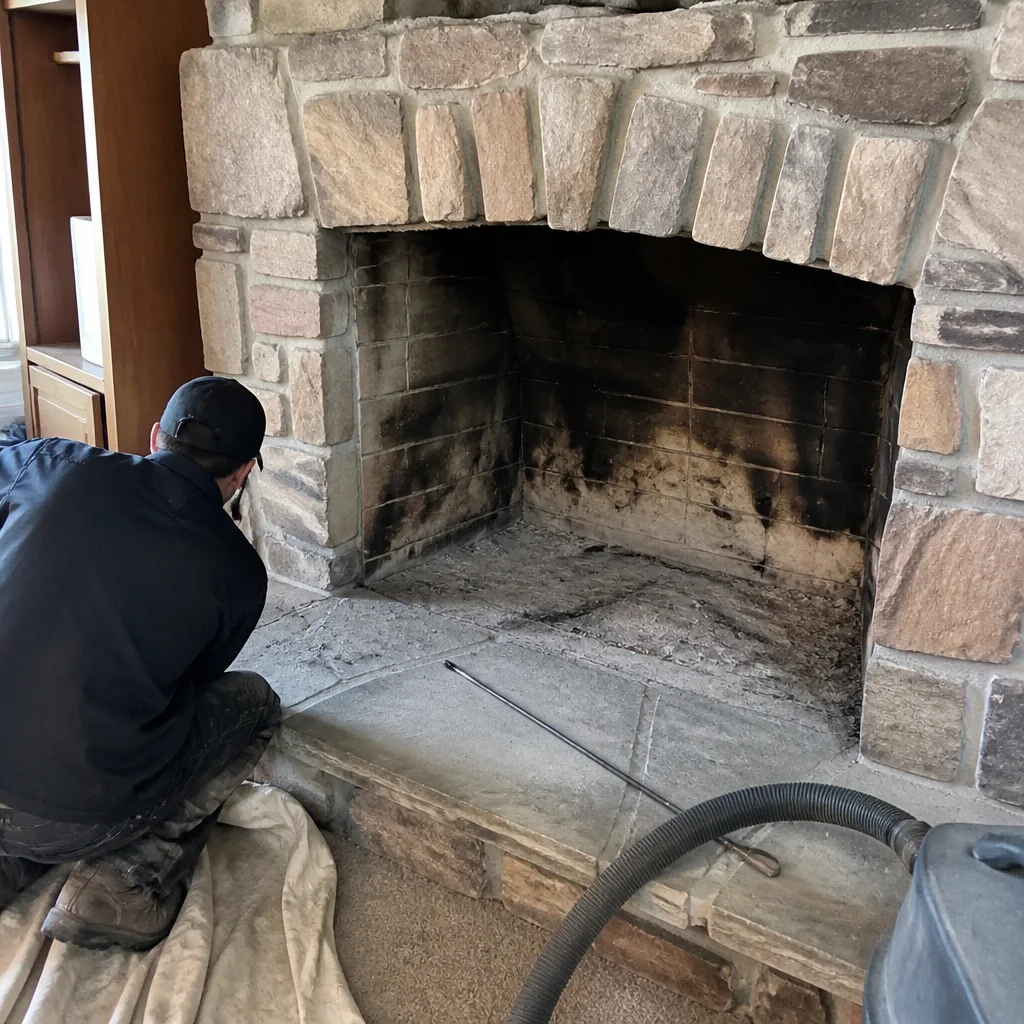 Before
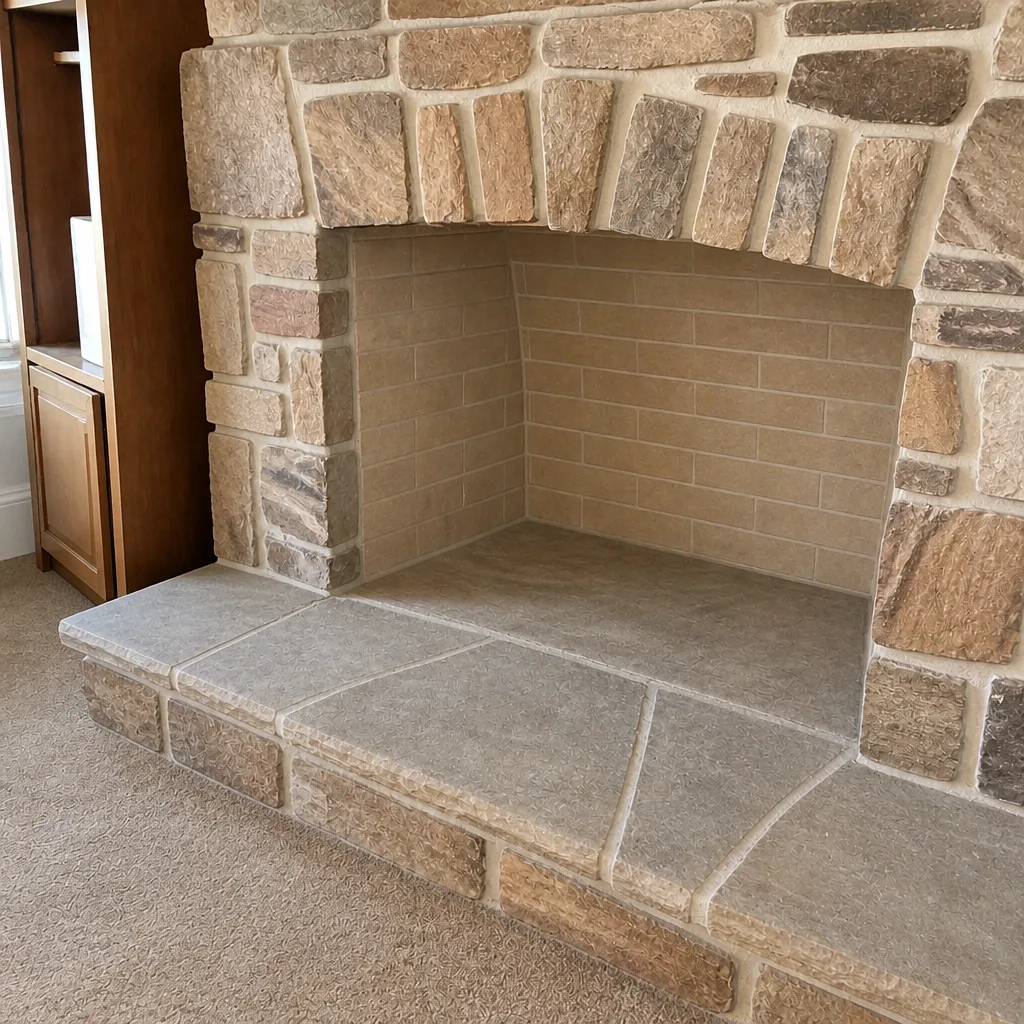 After
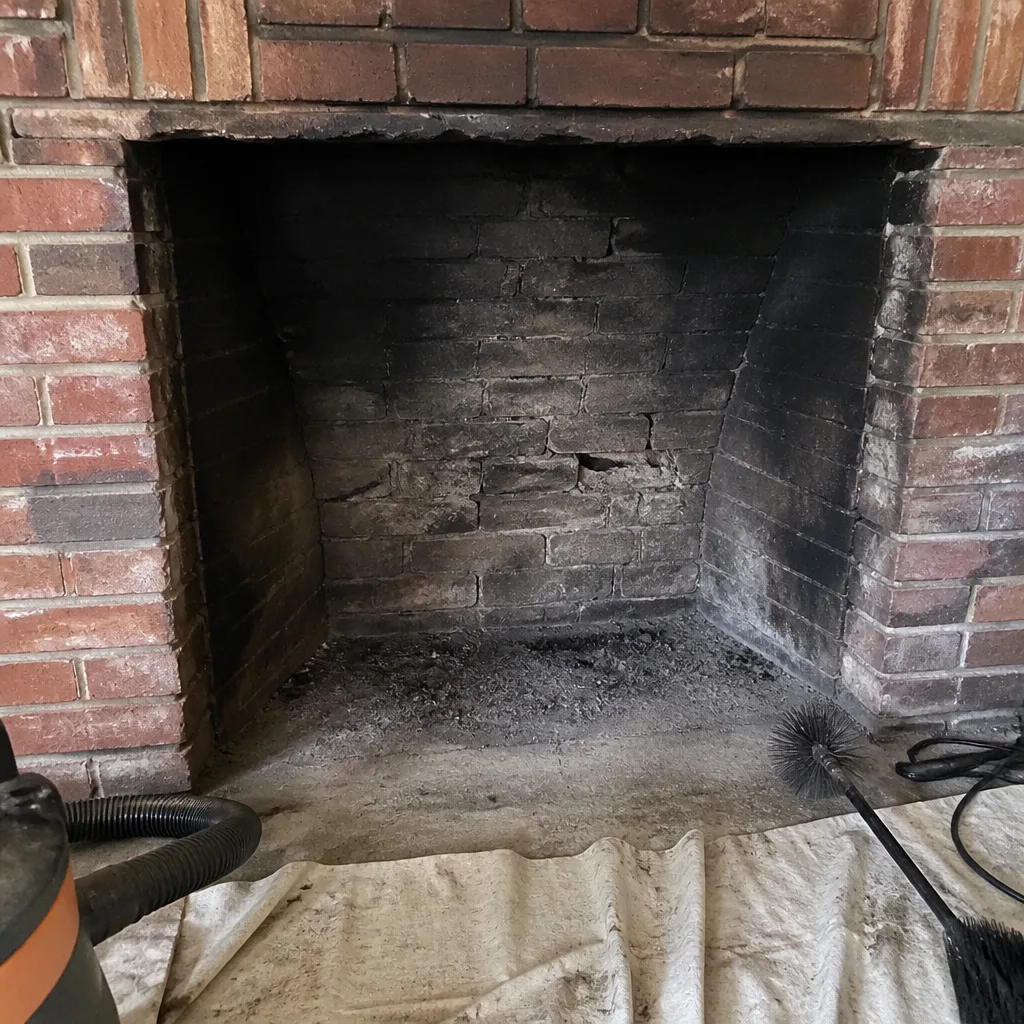 Before
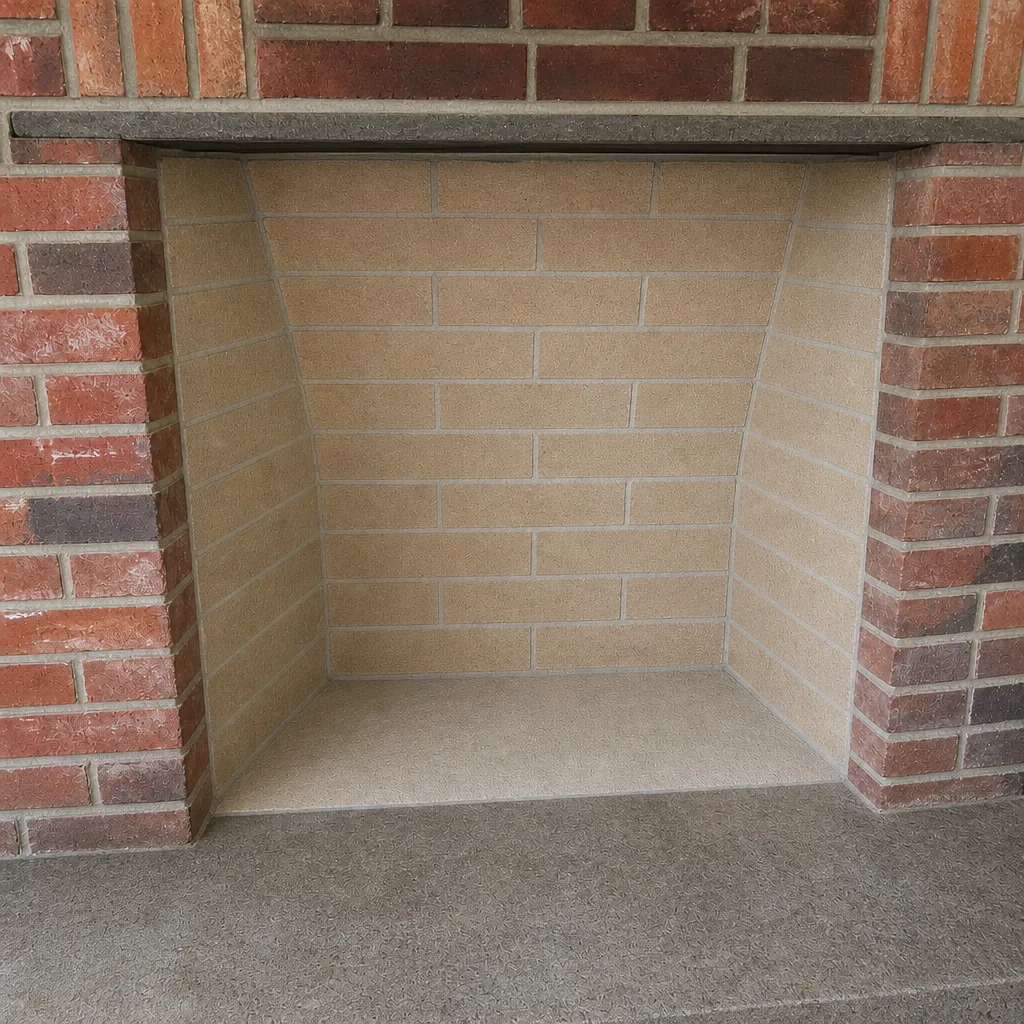 After
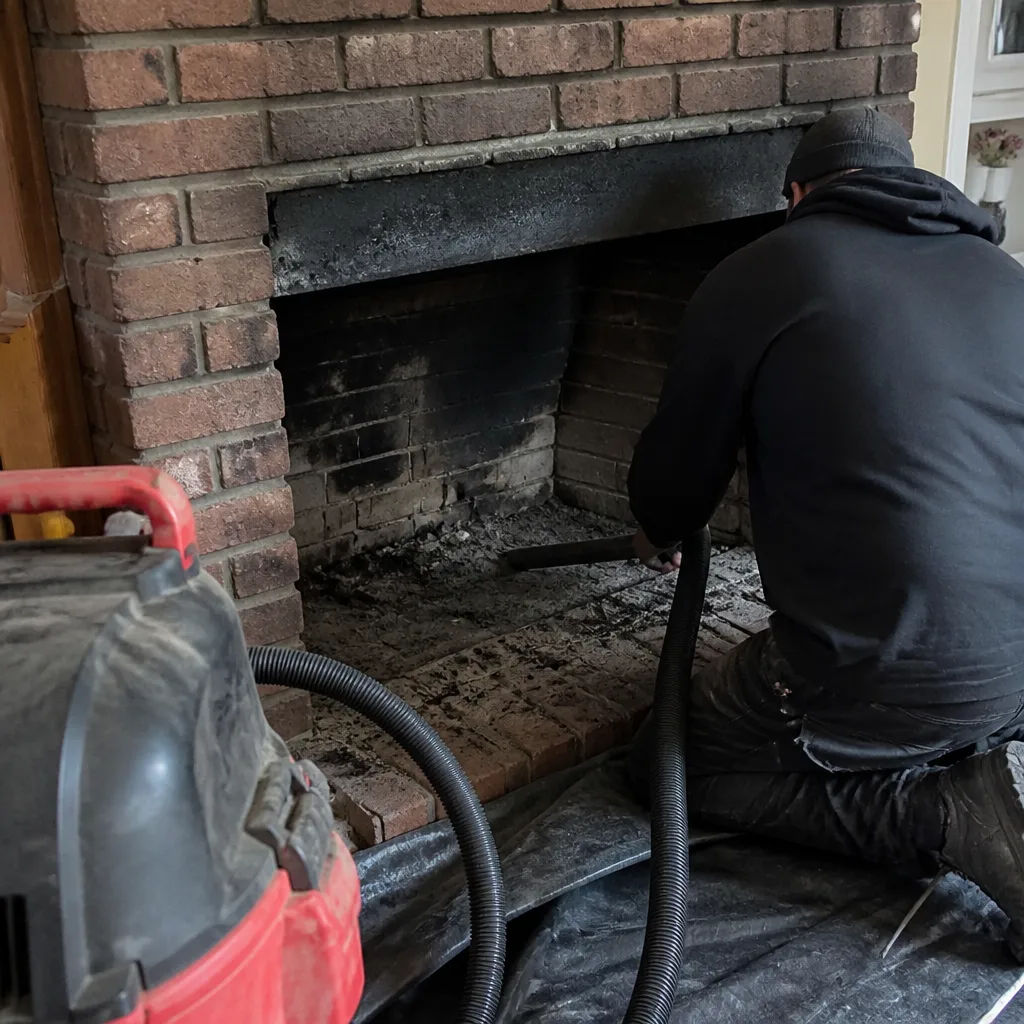 Before
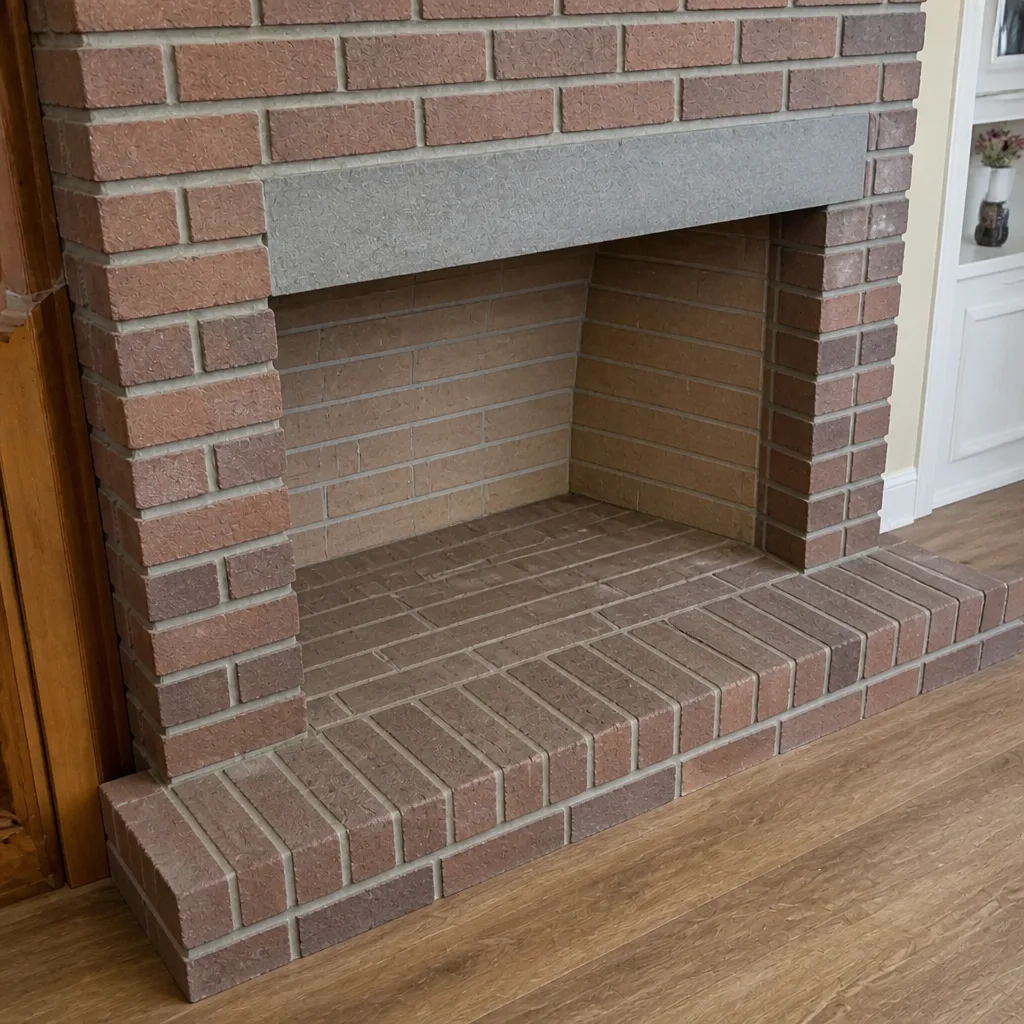 After
When to Call a Professional
Call when a job crosses from maintenance into modification. If you’re installing a new insert or gas appliance, relining a flue, repairing a cracked crown, or dealing with a chimney that’s separated from the house or pulling away at the roofline, that’s technical work with code implications. Call when you’ve never had a Level 2 inspection on a home you’ve owned for years, especially if you don’t know whether a liner was ever replaced. Call when you’re buying or selling in Ogden and need a written inspection report for the transaction. And call when a chimney sweep recommends repair work: a second inspection, with camera footage, is your protection. Ogden Chimney Sweep offers free estimates in Ogden. Call (866) 937-7544. We answer 24/7. Fast dispatch from 7am to 7pm, Sunday through Friday.
Frequently Asked Questions
No. Routine cleaning and a standard Level 1 inspection do not require a permit in Ogden, and no permit is available for basic maintenance. Permits come into play when the chimney is modified: a new liner, an insert or appliance installation, or structural repair. Call (866) 937-7544 for an exact quote on your inspection, free estimates.
A standard sweep and Level 1 inspection in the Ogden area is typically in the range of a normal maintenance service, priced per job by the written estimate rather than by the hour. That estimate is free and given before booking, so you know the price before anyone starts. Call (866) 937-7544 for an exact quote.
Only if the existing flue can’t safely vent the appliance, and that determination should come from camera footage, not a verbal guess. Common reasons for relining in Ogden include cracked or separated clay tile, an oversized flue that lets creosote condense, and a new insert that requires a correctly sized stainless liner. If your flue is intact and sized right, it doesn’t need a liner. We show you the footage before recommending anything.
For a wood-burning fireplace in Ogden, once a year during the heating season is the standard recommendation, and more often if you burn heavily. The sweep should be paired with a Level 1 inspection, and any time you change what you’re burning or add an appliance, upgrade to a Level 2. Call (866) 937-7544 to schedule before burning season.
Creosote builds up inside the flue, and at a certain thickness it can ignite, which is a chimney fire. An annual sweep keeps the creosote load down, and the paired inspection catches a cracked liner or a clearance problem before it becomes a bigger repair. In our experience, the homeowners who call us after a chimney fire almost always say the sweep was on their list for years. Don’t let it stay there. Call (866) 937-7544.
A Level 2 inspection is a more thorough service than a Level 1 and is priced accordingly by the written estimate, which is free. Utah’s disclosure requirements don’t mandate a specific inspection type, but a Level 2 with camera footage and a written report is the document buyers, sellers, agents, and insurers actually use. Call (866) 937-7544 for a free estimate.
The Bottom Line
Cleaning and Level 1 inspection are exempt in Ogden. Liner replacement, insert installation, structural repair, and major crown rebuilds typically require an Ogden City building permit and must meet Utah’s adopted residential code and NFPA 211. A Level 2 inspection with camera footage is the document that matters most in a real estate transaction and the best evidence you have that a chimney is in the condition someone claims. Verify past permits with the city before you buy. Get the footage before you authorize a repair. And when a sweep recommends thousands of dollars of work, ask to see the report first. We inspect before we recommend, and we show you what we find. One crew, start to finish, from Ogden Chimney Sweep through repair and restoration.
Call (866) 937-7544 for a free estimate. We answer 24/7. Fast dispatch from 7am to 7pm, Sunday through Friday.
Written by the team at Ogden Chimney Sweep.