
Last updated November 24, 2026
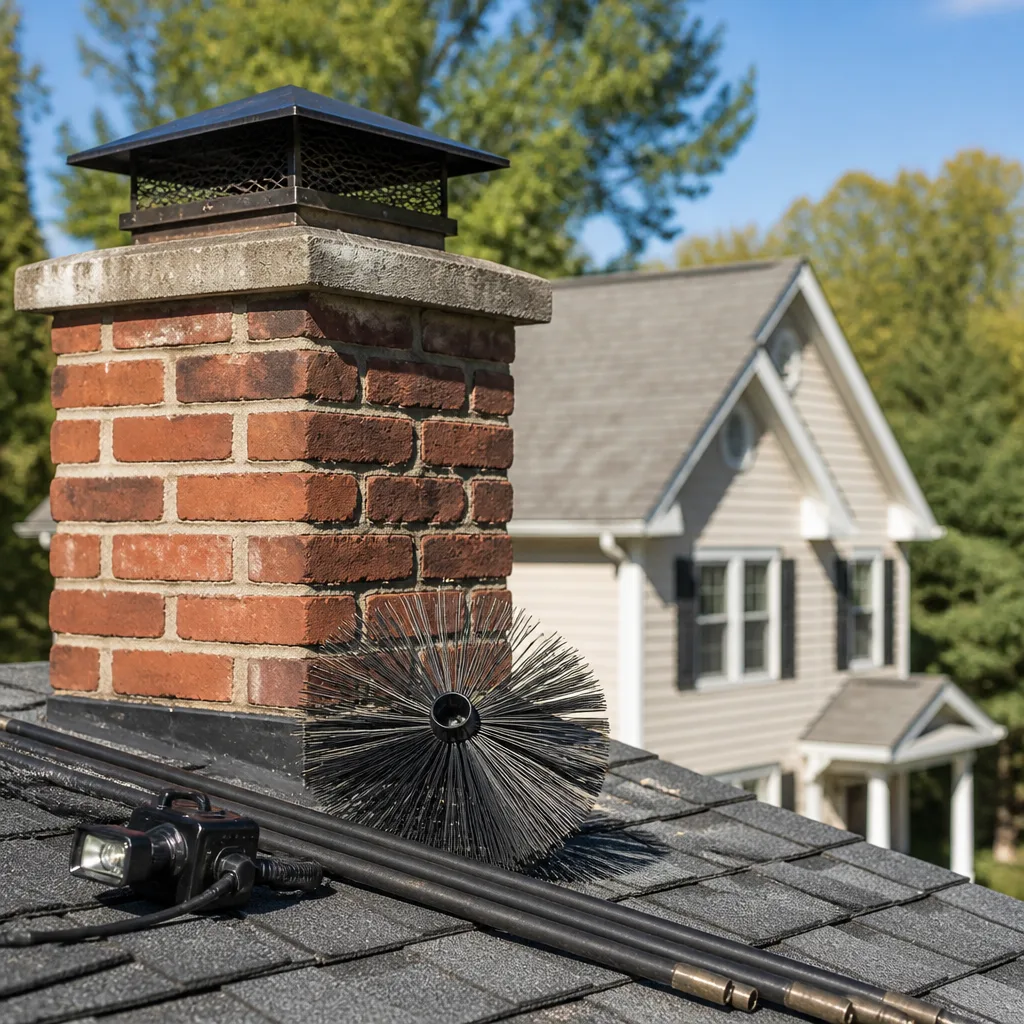 Sweep & inspection
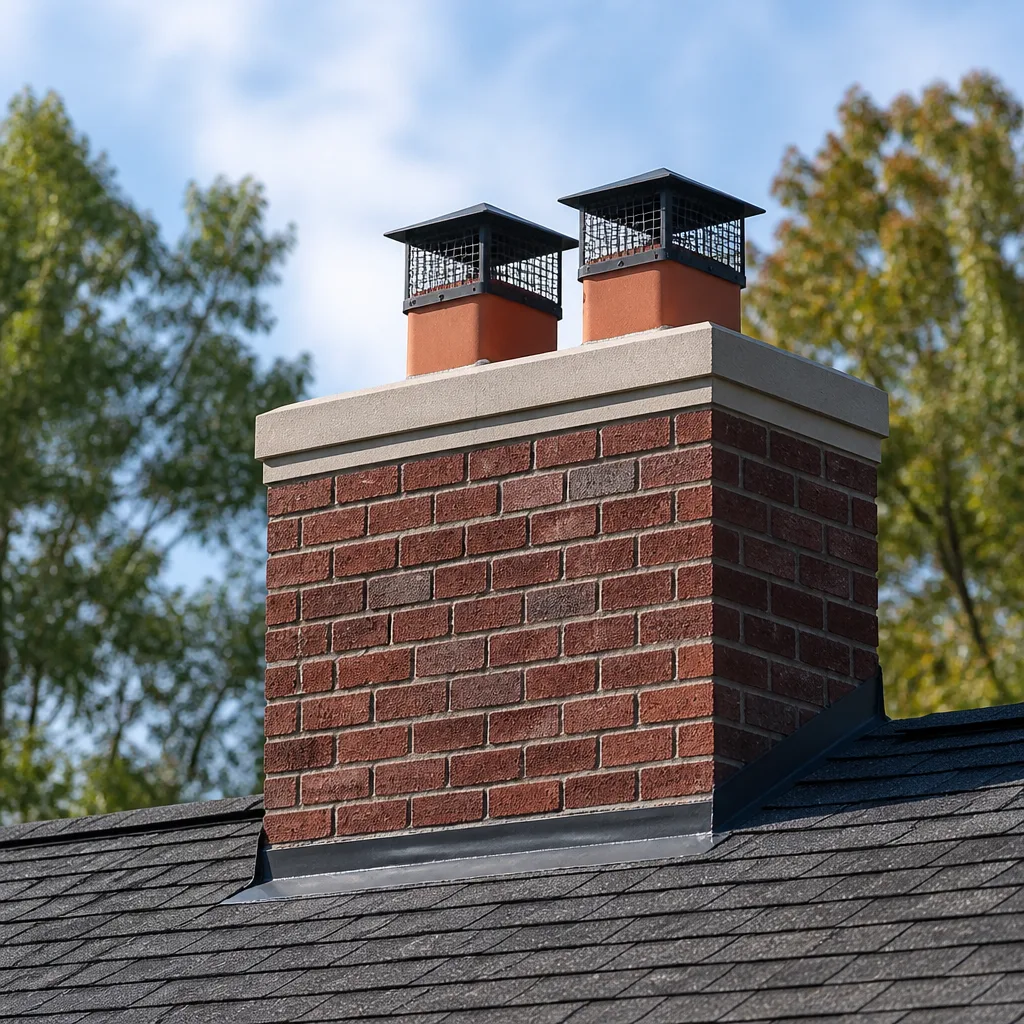 Caps & crowns
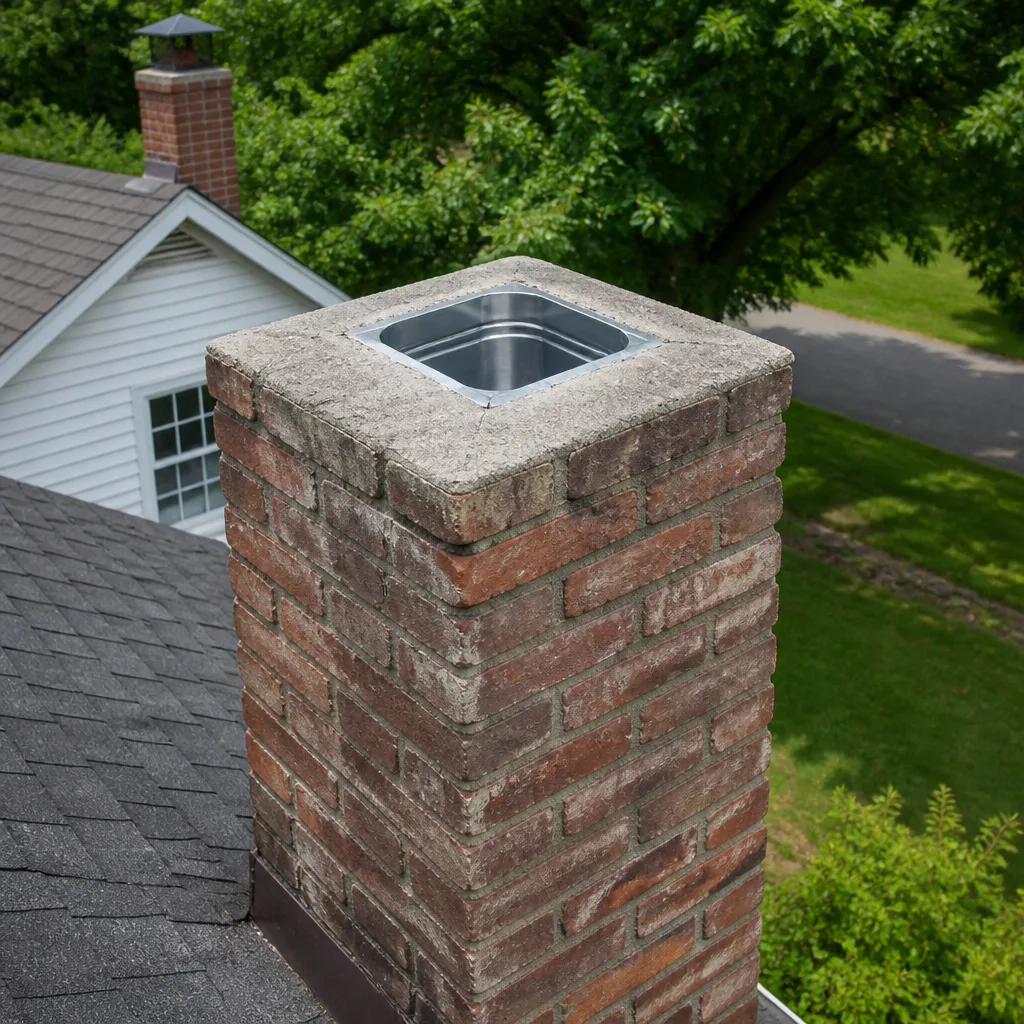 Flue relining
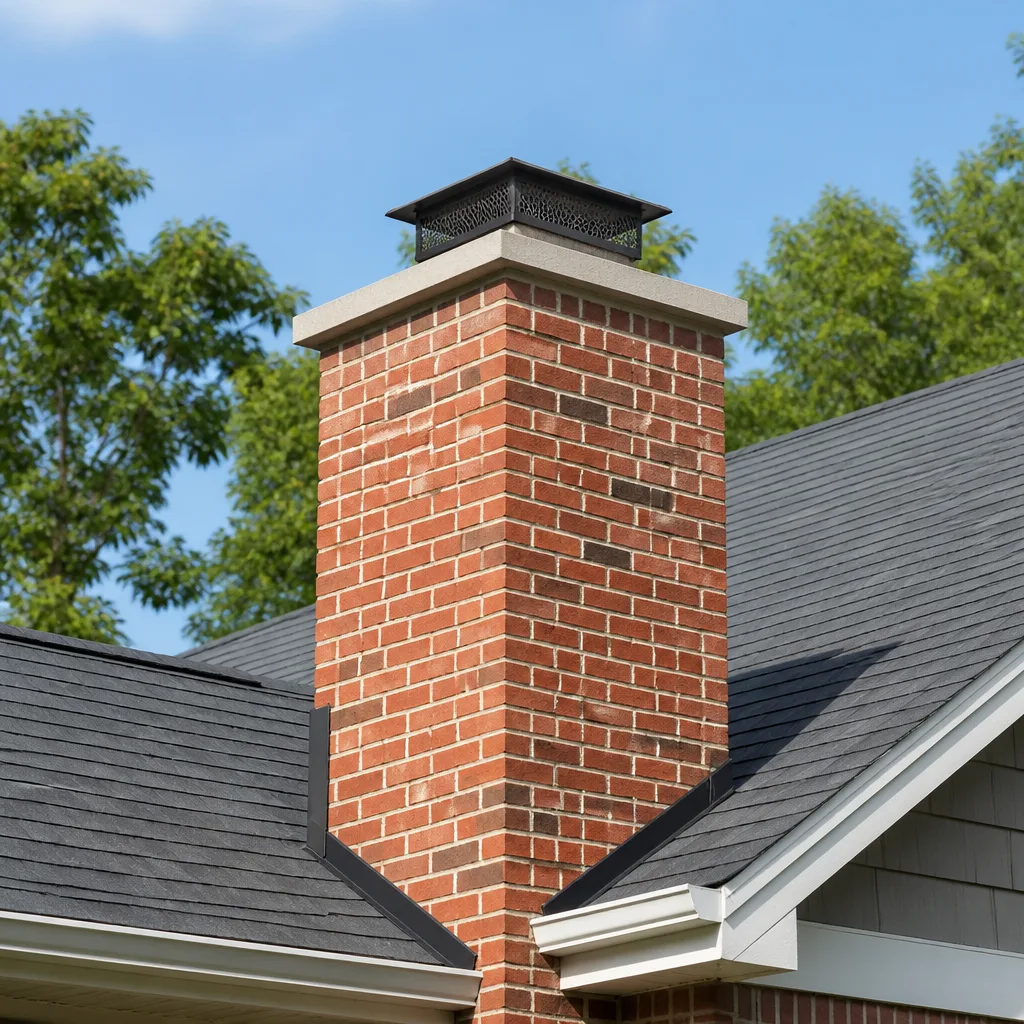 Masonry repair
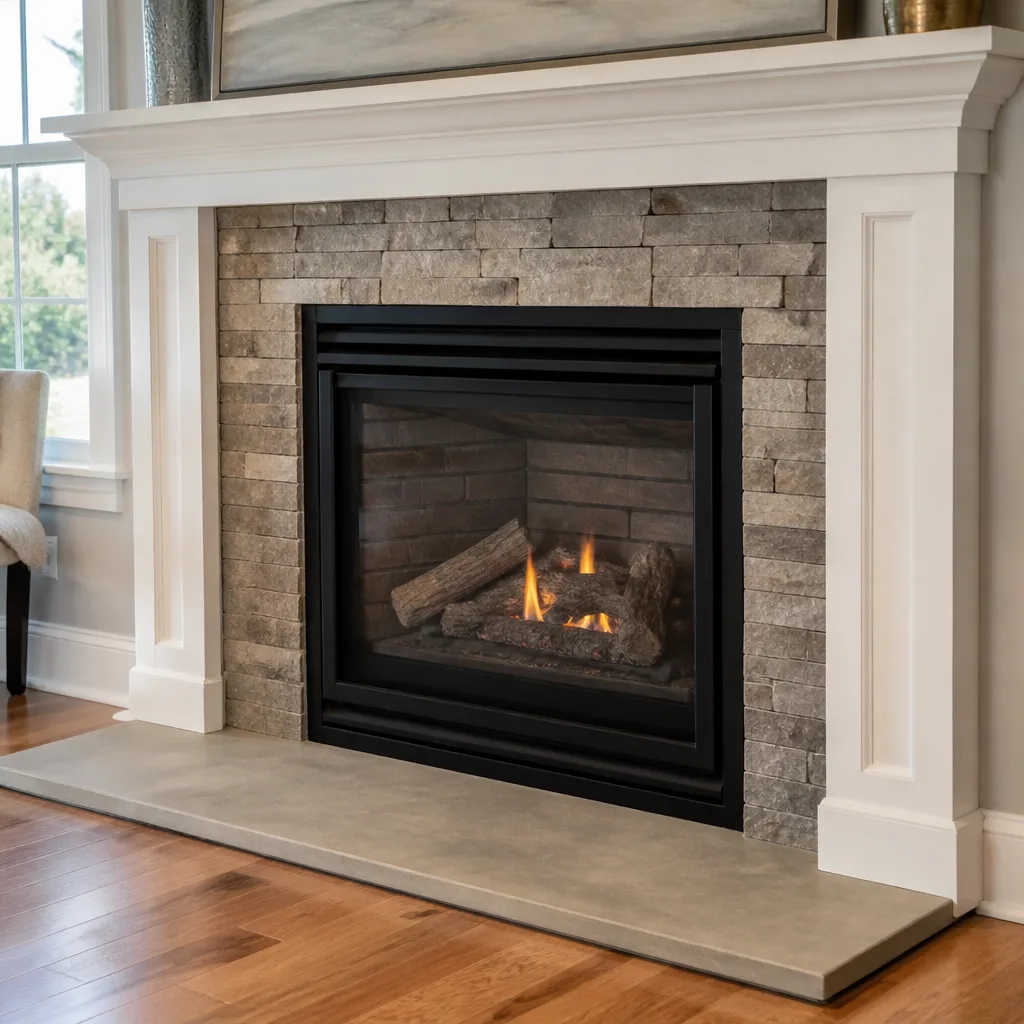 Gas fireplace service
Level 1 sweep and inspection to the NFPA 211 annual standard - flue, crown, cap, and flashing checked and photographed
Chimney sweep logs do not sweep chimneys. They loosen some creosote - which then falls where a brush and vacuum still have to collect it.
Chimney Cleaning Warning Signs: An Ogden Homeowner’s Reference Guide
Most chimney problems don’t announce themselves with flames. They whisper. A faint white bloom on the brick. A whiff of smoke on a July afternoon when the fireplace is cold. A little soot collecting on the wrong part of the firebox. Homeowners walk past these signs for years, chalking them up to “how old houses are.” Then a routine sweep turns into a liner project nobody planned for. The signs were there the whole time. This guide is about reading them early. It covers what to look for on the outside of an Ogden home and inside it, how to tell a venting problem from a structural one, and when a symptom can wait for the next scheduled sweep versus when you stop burning today.
Quick Answer
The warning signs of a chimney that needs cleaning or repair are mostly subtle: white efflorescence or flaking brick on the exterior, a cracked crown, a missing cap, smoke odor on non-burning days, weak draft, soot staining around the firebox, or a crumbling clay tile liner visible during inspection. Any one of these is reason to book a professional sweep and inspection. A strong smoky smell indoors, a visible crack through the flue, or draft backing up into the room means stop using the fireplace until it’s checked. In Ogden’s freeze-thaw climate, exterior moisture signs deserve prompt attention because water damage compounds each winter.
Styles & brands we work with
- Sweep & inspection
- Caps & crowns
- Flue relining
- Masonry repair
- Gas fireplace service
Table of Contents
- What You Can Read From the Ground
- Exterior Warning Signs and What Each One Means
- Interior Warning Signs Inside the Home
- Venting vs. Structural vs. Blockage: Telling Them Apart
- Signs Specific to Ogden’s Older Housing Stock
- The Triage Framework: Monitor or Stop Using the Fireplace
- Creosote, Soot, and What a Clean Flue Actually Looks Like
- When to Call a Professional
What You Can Read From the Ground
You don’t need a ladder to catch most chimney problems. A good pair of eyes, a pair of binoculars, and a fifteen-minute walk around the house from a safe distance tells you more than you’d expect. The trick is knowing what you’re looking at. A stain on brick isn’t just a stain. A gap under the crown isn’t just a gap. Each surface symptom points to a specific failure inside the chimney system.
We always start any Ogden Chimney Sweep service call with a ground-level walkaround before pulling a brush. It’s the same approach we recommend homeowners take once a season, ideally after the first hard freeze and again in spring. Here’s what to look for:
- White, chalky staining on brick or mortar: This is efflorescence, and it’s a moisture signal, not a cosmetic problem. Water is moving through the masonry and leaving mineral deposits on the surface as it evaporates.
- Flaking, pitting, or crumbling brick faces: Spalling. The brick is absorbing water, freezing, and breaking apart from the inside out. Ogden winters are brutal on this.
- Crown cracks, chips, or a crown that pulls away from the flue: The concrete crown is the chimney’s rain hat. When it cracks, water gets directly into the flue and masonry below.
- Missing or damaged cap: Without a cap, rain, snow, birds, and squirrels go straight down the flue. A cap is one of the cheapest protective components in the whole system.
- Rust streaks or missing mortar joints: Rust usually means a metal component (damper, cap, flashing) is corroding. Missing mortar lets water in and weakens the structure.
- Tilted or leaning stack: Rare, but serious. A chimney that’s visibly out of plumb needs a structural look, not a cleaning.
A warm, dry day after a cold snap is the best time for this inspection. That’s when efflorescence and moisture stains are most visible, and when fresh spalling from the last freeze is easiest to spot. If you see any of the above on an Ogden home, that’s your cue to book a chimney sweep and inspection rather than waiting for the annual reminder.
Exterior Warning Signs and What Each One Means
Exterior symptoms look similar from the ground, but they point to very different failures. Reading them correctly tells you whether you’re dealing with a $200 fix or a much bigger project. Here’s the translation table, from the outside in.
Efflorescence Means Water Is Moving
That white bloom isn’t salt from the air. Ogden is inland, and there’s no marine exposure here. Efflorescence is minerals pulled out of the brick and mortar by water passing through the wall and evaporating on the surface. The water usually enters through a failed crown, a missing cap, cracked mortar joints, or failed flashing where the chimney meets the roof. It’s a plumbing problem disguised as a masonry problem. Fix the source, and the staining stops coming back after a cleaning.
Spalling Brick Means Freeze-Thaw Damage Is Underway
A spalling brick has absorbed water, frozen, and popped apart. Ogden’s winters swing above and below freezing repeatedly, and every cycle drives the damage deeper. Once brick faces start flaking, that brick will never be whole again. What you can do is stop further water intrusion and replace the failed brick before the problem spreads. Waiting through another winter makes the repair more expensive.
Crown Cracking Means the Flue Is Taking Water
The concrete crown sits on top of the chimney and sheds water away from the flue. A hairline crack early in its life is manageable. But once a crack widens, water goes straight to the flue tile and down inside the chimney. Over time, that water destroys the mortar joints holding the liner together. This is the single most common cause of interior chimney damage we see on older homes. Our chimney cap & crown work is often the first step in stopping it.
Missing Cap Means Everything Gets In
An uncapped flue accepts rain, snow, leaves, nests, and small animals. It also loses some protective effect from wind-driven moisture. A properly fitted cap from a line like Copperfield or Olympia Chimney is a modest addition that protects the whole flue below it. If your chimney has no cap, this is the easiest fix on the list.
Failed Flashing Means the Roof Is at Risk, Not Just the Chimney
The metal flashing where the chimney meets the roof is a common leak point. Staining on the roof sheathing visible from inside the attic, or damp framing near the chimney, points to flashing failure. This is technically a roofing detail adjacent to the chimney. A chimney specialist can flag it during inspection, but the flashing itself may need coordination with a roofing trade.
Interior Warning Signs Inside the Home
The most reliable information about your chimney comes from inside the house. Here’s what to check, and what each signal means.
- Smoke odor on non-burning days: You should smell nothing from a cold fireplace. A lingering smoky smell means the flue is coated with creosote or soot that’s releasing odor as air moves through the house. It can also mean the damper isn’t sealing.
- Weak or inconsistent draft: Smoke that spills into the room on light-off, burns that are sluggish, or smoke that drafts backward on windy days all point to a draft problem. Causes range from a blocked flue to a house that’s too tight for the flue to draw.
- Soot staining on the firebox front or above the opening: Fresh soot right where smoke escaped means the fireplace isn’t drafting properly. If you see it after every fire, the flue needs looking at.
- Damper doesn’t open fully or seat cleanly: A warped or rusted damper restricts airflow and can keep the flue from drawing. In a gas fireplace, a failed damper is a safety issue.
- Soot streaks bleeding through the mortar inside: On masonry fireboxes, soot in the mortar joints suggests the firebox brick or the liner needs attention. Fireplace repair at this stage can save the firebox from major work.
- Smoke backing up when you open the door or start a gas insert: Backdrafting is a venting symptom. In a gas or oil system, backdrafting can introduce combustion byproducts indoors, which is a health concern. That one warrants stopping use until inspected.
Inside, the firebox, damper, flue, smoke chamber, and cap all work together. A failure in any of them shows up somewhere in this list. If two or more of these signals are present, book a sweep and inspection rather than trying to figure it out from the outside.
Venting vs. Structural vs. Blockage: Telling Them Apart
Three categories of chimney problem produce very similar symptoms. Homeowners often assume the worst or the cheapest explanation, and the truth is usually in the middle. Here’s how to tell which category you’re facing, and why it matters, because the fix for one is not the fix for the others.
Venting Problems
A venting problem is a draft failure. The chimney is intact, but smoke doesn’t rise properly and backs into the room. Symptoms: smoke spillage on light-off, sluggish fires, smoke that rolls backward when the door is closed. Common causes include a flue that’s too large for the appliance, a smoke chamber that’s poorly shaped, negative pressure inside the house (bathroom fans, kitchen exhaust, tight construction), or a flue that’s too short. Fixes often involve a proper cap, a correctly sized flue liner, or a smoke guard. All of these are within trade scope for a specialist.
Structural Problems
A structural problem means something in the chimney assembly has cracked, shifted, or degraded. Symptoms: efflorescence, spalling brick, cracked crown, visible flue tile cracks during inspection, crumbling mortar joints. Structural problems compound with every freeze-thaw cycle. Ogden homes tend to show these faster than homes in milder climates. Fixes include crown repair, tuckpointing, relining, or in severe cases rebuilding the stack. A camera inspection is what separates “monitor it” from “fix it now.”
Blockage
A blockage is physical: something is inside the flue that shouldn’t be. Nests, a collapsed liner tile, a fallen cap, excessive soot or creosote buildup. Symptoms: strong draft failure in every fire, smoke filling the room, and sometimes a visible obstruction when you shine a light up the flue (never put your head inside). Blockage is the most dangerous category because it can vent carbon monoxide back into a living space. A gas or oil appliance venting into a blocked flue is a carbon monoxide hazard, not just a cleaning issue. If you suspect a blockage, stop using the appliance and have it inspected.
Why the Category Matters
Misreading the category wastes money. Homeowners with weak draft sometimes book structural repairs they don’t need. Homeowners with structural damage sometimes just get swept and told “you’re fine” when the flue is failing behind the brush. This is the reason our process is inspection-first. We document what we find with a camera and show it before recommending anything. You should be able to see the evidence and understand what it means before you decide.
Signs Specific to Ogden’s Older Housing Stock
Ogden has a lot of homes built in the early and mid-twentieth century, and their chimneys show predictable patterns. Knowing what to look for on an older Ogden home is different from knowing what to look for on a newer construction.
Clay Tile Liner Cracking
Most older Ogden masonry chimneys were built with clay tile flue liners set in mortar. Those tiles were meant to last decades. What actually happens is freeze-thaw stress opens hairline cracks, and the mortar joints between tiles erode with creosote and moisture exposure. A cracked clay tile lets creosote (which is flammable) and combustion gases escape into the masonry wall. If a tile is fully dislodged, the flue has a direct break in the containment. Camera inspection is the only reliable way to know the condition of a clay liner. Surface sweeping doesn’t tell you. If the liner is failing, relining with a flexible stainless system like DuraFlex is one solution, and HeatShield ceramic resurfacing is another for some conditions. Both are repair-tier work, and both are why inspection matters before a brush goes up the flue.
Deteriorating Mortar Joints
Ogden’s historic masonry was built with lime-based mortar that has held up reasonably well but does erode over decades. Missing or recessed mortar joints let water into the wall assembly, and on a chimney that water migrates straight into the flue. Tuckpointing restores those joints. It’s a specialty task, and it’s the kind of work that gets missed if the chimney is only ever cleaned. During any inspection, ask specifically about the condition of the exposed mortar joints above the roofline.
Abandoned Flues and Retrofit Fireplaces
Many older Ogden homes have fireplaces that were converted, abandoned, or vented to gas inserts at some point in their history. A converted fireplace can have a mismatched flue (too large for the appliance), a partially blocked flue where a liner was run inside an existing one, or an abandoned damper that no longer seals. Every one of these is a venting issue that looks like a structural one until it’s inspected. Before you start using a fireplace in an older Ogden home, have the whole system inspected as it currently stands. Not as it was built.
Cold-Climate Draft Issues
Ogden sits at the eastern edge of the Great Salt Lake valley, and cold air settles here in winter. A chimney that drafts fine in fall can struggle in January. If your fireplace only misbehaves on the coldest nights, that’s a clue. A pre-warm of the flue, a properly sized cap, and a smoke chamber that’s shaped correctly usually solve it. It’s not a structural failure, but it can mimic one.
The Triage Framework: Monitor, Schedule, or Stop
Not every warning sign is an emergency. Not every warning sign is benign. Here’s a simple three-tier framework for making the call yourself, before any contractor gets involved. Use the highest tier that applies. If you’re unsure, move up a tier.
Tier 1: Monitor
These signs are worth watching. They can wait for the next scheduled sweep, typically the annual cleaning.
- A single hairline crown crack that isn’t widening
- Efflorescence that hasn’t advanced since last year
- A missing cap on a rarely used chimney (still worth fixing soon)
- Slight odor that only appears on warm, damp days and clears when the house airs
- Minor soot darkening around the firebox that hasn’t changed since last season
Tier 2: Schedule
These signs mean book a sweep and inspection within the next few weeks. Don’t wait for the annual reminder. Stop burning in the meantime if the appliance is the source.
- Fresh efflorescence, spalling brick, or a crown that’s obviously cracked
- Smoke odor on multiple cold days within a week
- Weak draft that requires you to leave the door cracked to keep the fire going
- Soot streaks above the firebox opening that appear after every fire
- A damper that sticks, doesn’t close fully, or is visibly warped
Tier 3: Stop Using
These signs mean stop using the fireplace or appliance immediately and book an inspection. Don’t wait. The risk isn’t cosmetic.
- Smoke filling the room when you start a fire, or backdrafting that doesn’t clear
- A strong, persistent smoky smell in the house even with the fireplace off
- Carbon monoxide alarm sounding or CO symptoms (headache, dizziness, nausea) when an appliance is running
- A visible crack through the flue liner
- Any sign of fire in the chimney (a roar, a rapid draft, flames or sparks at the top)
- A chimney that’s visibly leaning, detached from the house, or has a partial collapse
Tier 3 conditions can put carbon monoxide or fire into your home. The specific concerns are real, and they’re not scare tactics. A blocked flue on a gas appliance is a genuine CO hazard, and a compromised flue with creosote buildup inside it is a real chimney fire risk. Stopping use for a week while you schedule an inspection costs nothing. Continuing to burn through a Tier 3 symptom can cost a lot.
Creosote, Soot, and What a Clean Flue Actually Looks Like
Not all soot is a warning sign. It’s what accumulates as part of normal use. The question is how much, what form it’s in, and where it’s collecting. A trained sweep reads those patterns. Here’s what to know so the inspection findings make sense.
- Soot: Fine, powdery black residue. This is normal in a chimney that’s been burning wood. A chimney with heavy soot but no creosote glazing is due for a cleaning, not a repair.
- Stage 1 creosote: A light, flaky black coating. Still relatively easy to brush off. This stage is common on wood-burning fireplaces that are used seasonally.
- Stage 2 creosote: A crunchy, tarry layer that requires more than a standard brush. It’s a sign of cooler, smoldering fires or restricted airflow.
- Stage 3 creosote: Glazed, hardened, and highly flammable. This is the form that poses the highest chimney fire risk. It requires specialized cleaning methods, not a standard sweep.
- Glaze on the flue tile: If a camera view shows a shiny coating on the liner tiles, that’s stage 3 creosote. The liner also usually shows some erosion around it.
A properly cleaned chimney isn’t spotless. Wood-burning chimneys will always have some residue. What you should see after a proper sweep is the flue tile exposed and clear of buildup, the smoke chamber and shelf clear, the firebox cleaned, and a damper that opens and closes freely. When we sweep, the camera goes up the flue before and after, and the homeowner sees both. This is why a chimney sweep is more than a brush and a vacuum. It’s a documentable inspection of the entire flue’s condition.
How Often Should a Chimney Be Swept?
For a wood-burning fireplace in regular use, once a year is the standard recommendation. Heavier users may need it more often, and lighter users less. A gas insert or furnace flue needs inspection at least annually to catch venting or corrosion issues. If you’re not sure whether you’re a heavy user or a light one, a camera inspection in year one tells you exactly what your usage is depositing. It’s a one-time look that makes every following year easier to plan.
When to Call a Professional
Some warning signs are meant to be watched. Others are meant to be acted on. The line between them is easier to draw with a camera inspection than without one. Here’s when we’d say stop trying to talk yourself out of it and book the visit.
Call a professional if you see any Tier 2 or Tier 3 sign in this guide, if it’s been more than a year since your last sweep, if you’ve just moved into a home with a fireplace you’ve never used, or if a gas or oil appliance vents into an existing chimney you haven’t had inspected. If you have a clay tile liner and any doubt about its condition, camera inspection is the answer. Ogden Chimney Sweep offers free estimates in Ogden. Call (866) 937-7544. We answer 24/7. Fast dispatch from 7am to 7pm, Sunday through Friday. Our technicians have up to 10 years of experience, and we work with professional-tier products including DuraFlex, HeatShield, Copperfield, Olympia Chimney, Gelco, and Famco. We inspect before we recommend, and you see what we find. The inspection findings determine the plan, and the plan gets a written estimate before any work begins.
See the difference
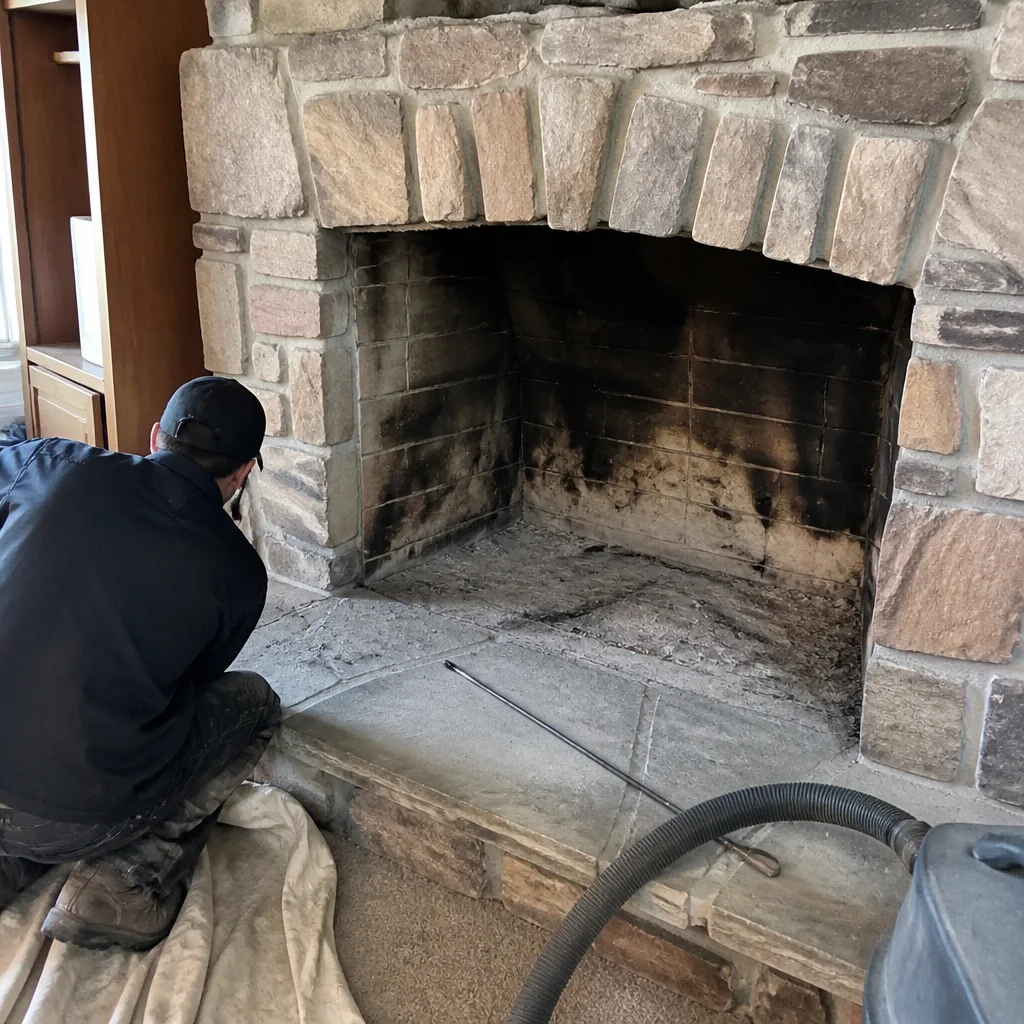 Before
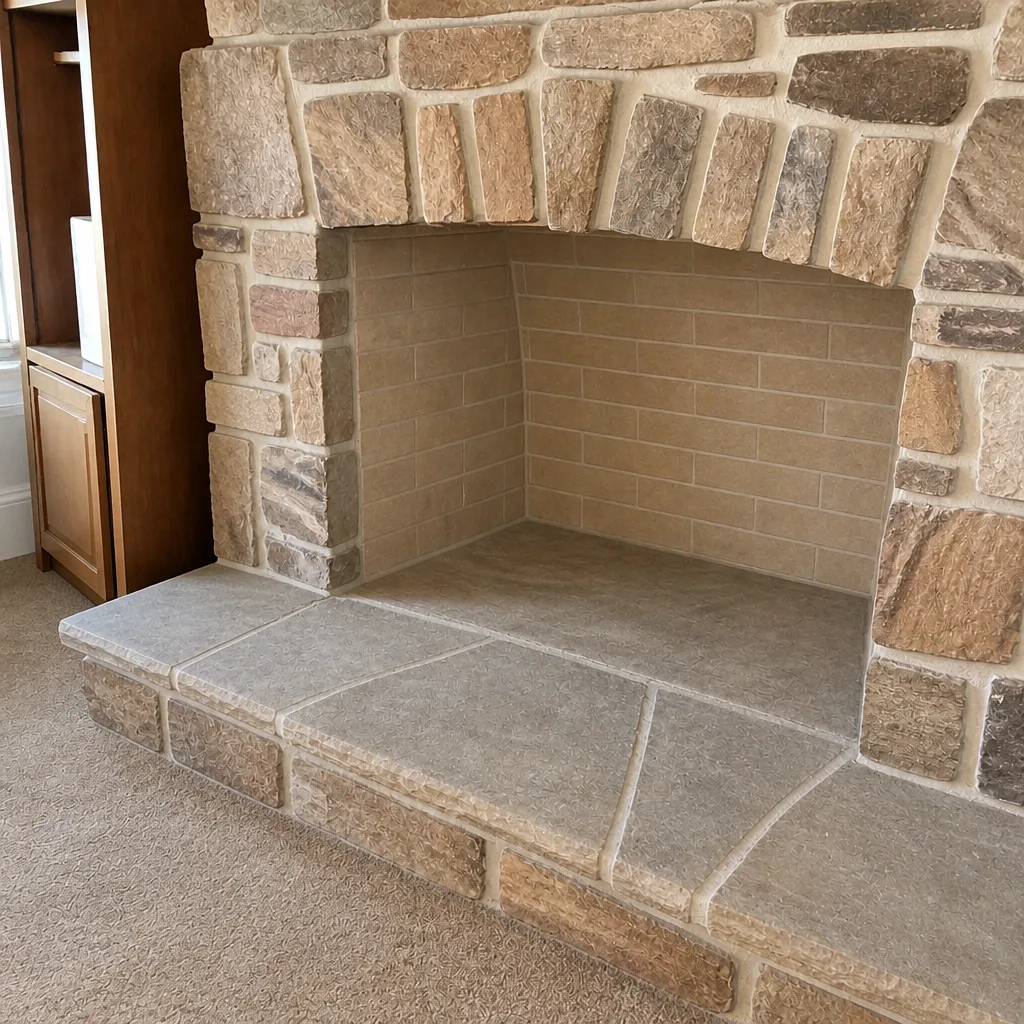 After
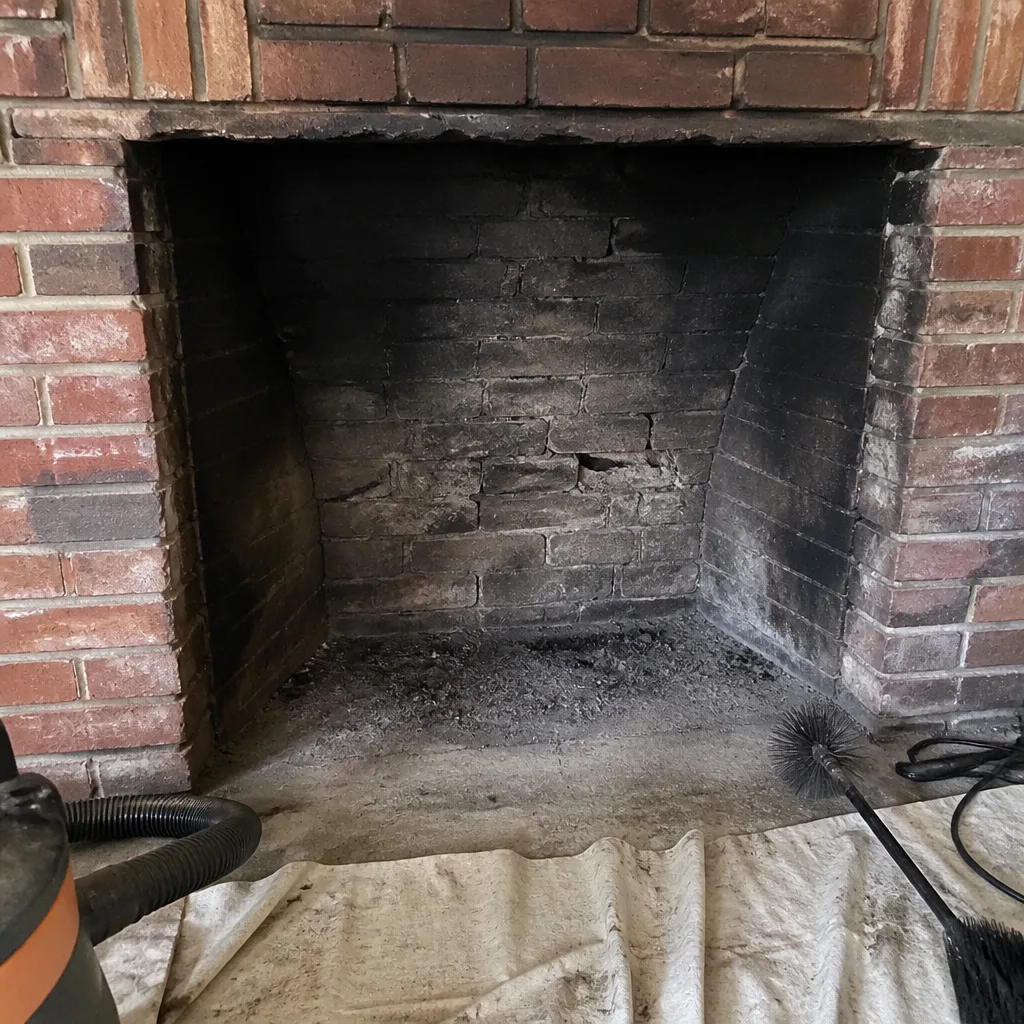 Before
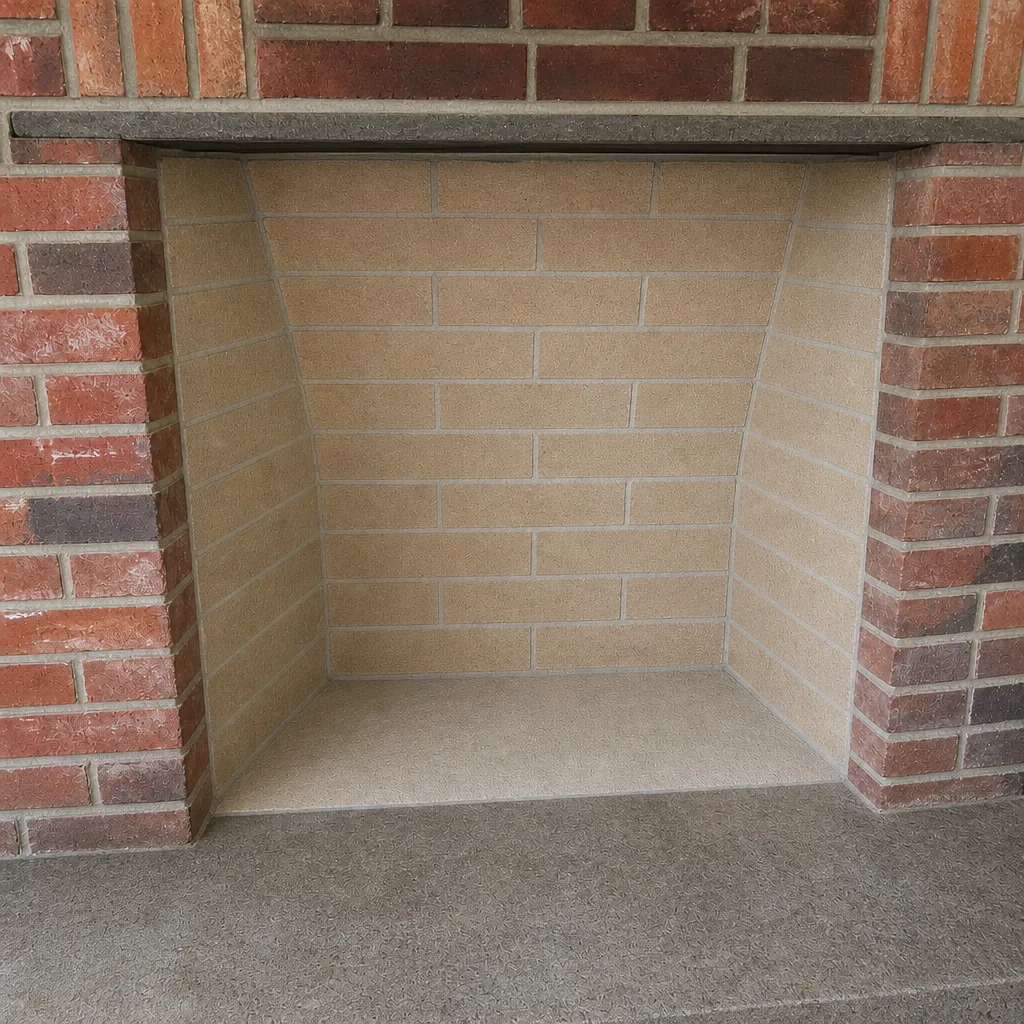 After
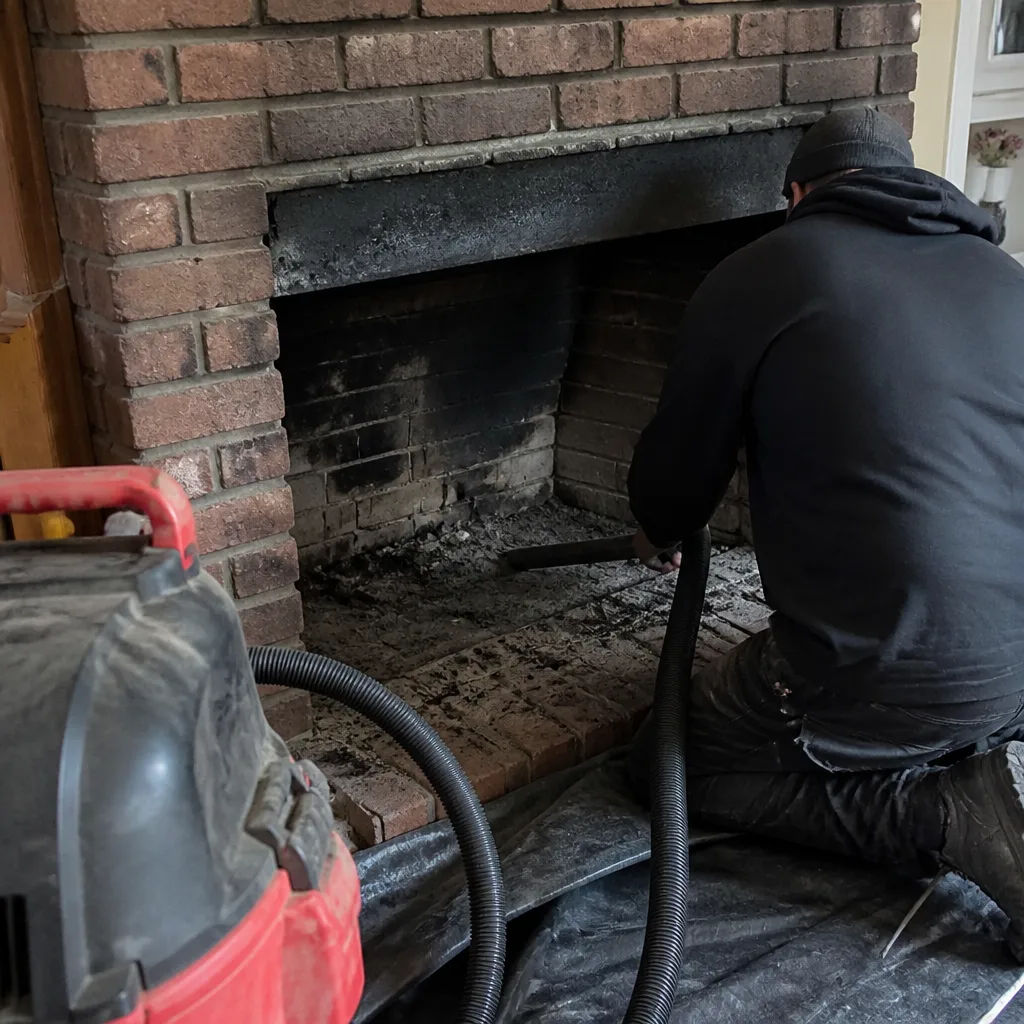 Before
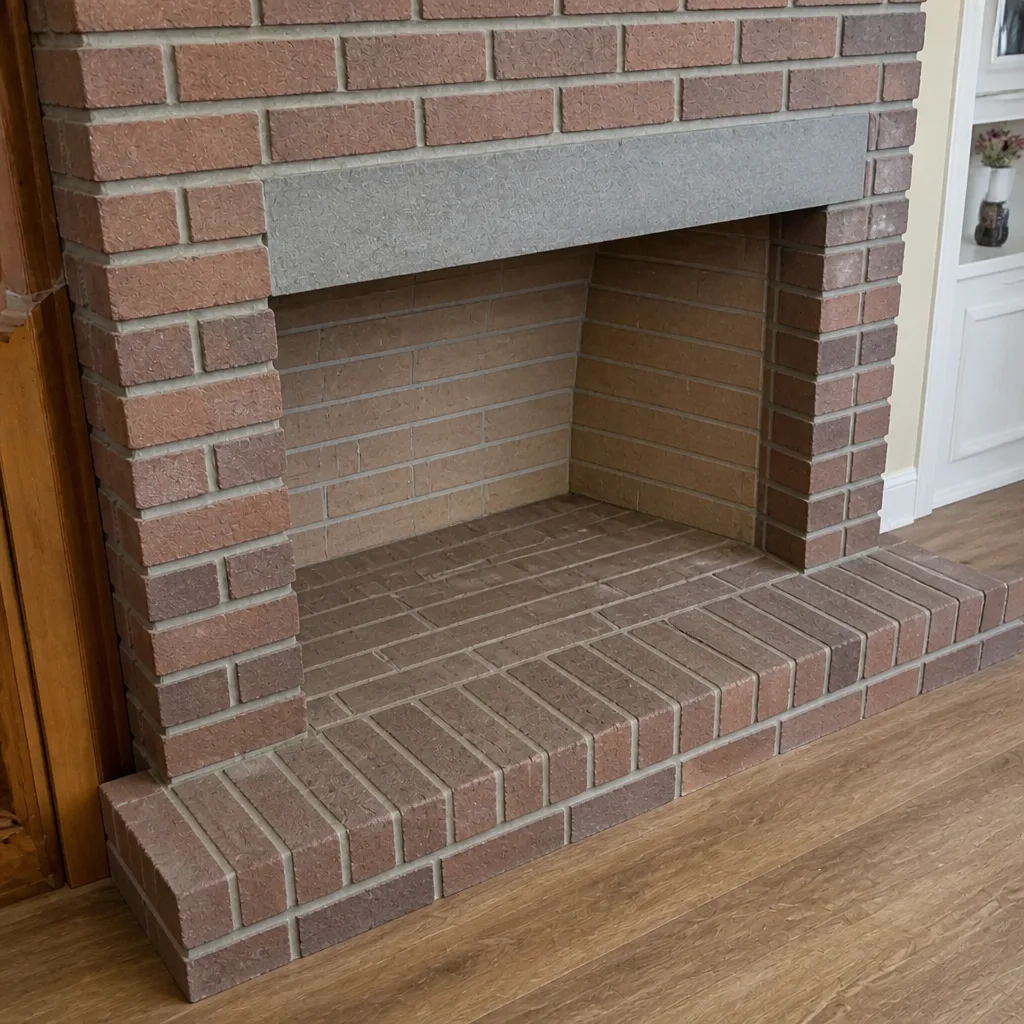 After
Common Mistakes to Avoid
- Assuming a clean-looking firebox means the flue is fine. The firebox is what you see. The liner is what’s doing the work, and it’s hidden. Only a camera inspection shows the liner’s condition.
- Painting over efflorescence. A coat of masonry paint on a brick that’s full of moving water traps the moisture inside. The stain comes back and the masonry damage accelerates. Fix the source of the water, then clean.
- Ignoring a crown crack because it’s “small.” A cold-climate crack widens with each freeze-thaw cycle. What’s a repair in October can be a rebuild by March.
- Burning through a smoky smell on warm days. That smell isn’t your furniture. It’s the flue telling you there’s a layer of creosote releasing odor as air moves. A sweep is cheaper than a chimney fire.
- Trusting a generalist with a brush. Sweeping is the easy part. Recognizing a failing liner, a mis-sized flue, or a smoke chamber defect takes training and tooling. A pressure-washing company with a shop-vac isn’t the same service as a specialist who routinely performs HeatShield resurfacing and DuraFlex relining.
- Skipping the inspection to save time. A sweep without inspection is half the service. It’s the difference between “we cleaned it” and “we can show you what we found and why it matters.”
- Using a fireplace you’ve never had inspected. A newly purchased home is the biggest risk. You don’t know its service history. Assume nothing until a camera has been up the flue. In Ogden’s older housing stock, previous conversions and abandoned flues are common, and only inspection catches the hidden ones.
Frequently Asked Questions
Efflorescence – the white, chalky staining on brick – is usually the earliest visible sign that something is wrong. It means water is actively moving through the masonry. From there, watch for spalling brick (flaking faces), a cracked or lifted crown, and a missing cap. Any one of these means water is getting in where it shouldn’t. Call (866) 937-7544 for an exact quote on an inspection – estimates are free.
A standard chimney sweep in Ogden typically falls in the range most homeowners expect for a professional cleaning, and the exact cost depends on flue condition, accessibility, and whether creosote is at stage 2 or 3. The written estimate sets the final price after a brief look at the chimney. The inspection report is usually included so you’re not paying twice for the same information. Call us for an exact quote – estimates are free.
Get the inspection. A sweep without camera inspection leaves the most important part of the flue unexamined. Sweeping clears what’s inside the flue. Inspection tells you what the flue itself looks like, whether the liner is intact, and whether there’s any structural concern. On an older Ogden home especially, the sweep is only useful when paired with a look at the liner and the masonry above the firebox.
If a flue is blocked, combustion gases have nowhere to go but back into the living space. For a wood fireplace, that means smoke in the room. For a gas or oil appliance, that means carbon monoxide entering the house – a genuine health hazard. Skipping cleaning doesn’t just accumulate creosote; it can also let a nest or a partial collapse become a full blockage. Call (866) 937-7544 to book an inspection – the estimate is free.
Usually, yes. A cold fireplace should smell like nothing. A smoky smell on warm days means one of three things: creosote or soot residue inside the flue is releasing odor, the damper isn’t sealing tightly, or air pressure in the house is pulling flue air into the room. All three are worth a professional look. The first is fixed by cleaning, the second by damper repair, and the third by a venting diagnosis.
Chimney condition isn’t a fixed variable – it depends on how the fireplace was used, how the house was built, and what happened during previous years of neglect that may not have surfaced yet. A chimney that hasn’t been inspected in decades can have a failing liner, cracked crown, or stage 3 creosote behind a firebox that looks fine from the living room. The inspection shows you where the chimney actually stands, so you can make an informed decision rather than a blind one. Call (866) 937-7544 – estimates are free.
The Bottom Line
Chimney warning signs are rarely dramatic. Most are quiet, and most are easy to misread. The white bloom on your brick means water is moving through your masonry, and Ogden’s freeze-thaw winters turn that into a bigger problem each time it freezes. Soot on the firebox front points to draft. A smoky smell on a cold day points to creosote. A cracked crown points straight at your flue. Read them early, categorize them honestly, and act on the ones that matter. Efflorescence, spalling brick, crown cracking, and a missing cap are the outside signs. Odor, weak draft, and soot staining are the inside ones. Tier 3 symptoms – smoke in the room, CO alarms, visible liner cracks – mean stop until it’s inspected. Everything else is a call and a camera inspection. Diagnose, restore, protect. That’s the whole job, and it starts with the eyes you already have.
Written by the team at Ogden Chimney Sweep.