
Last updated November 24, 2026
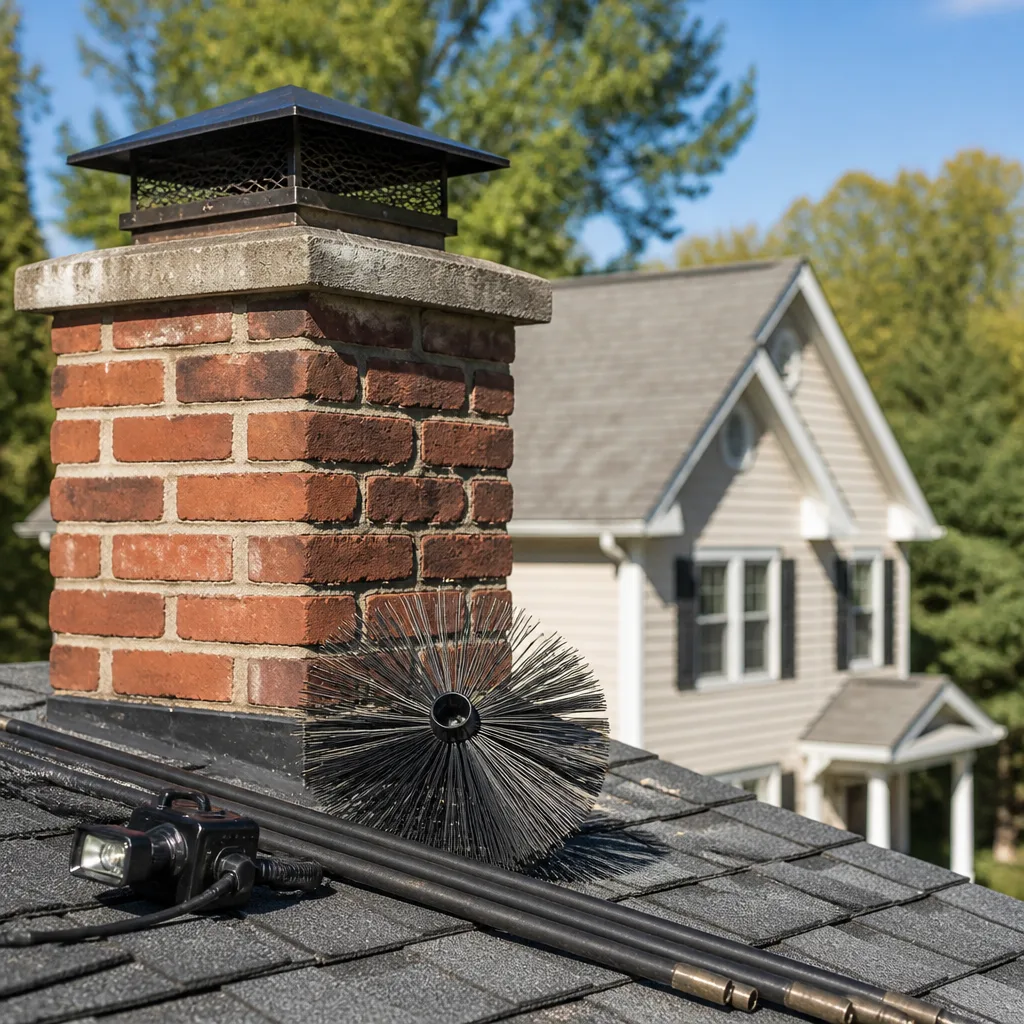 Sweep & inspection
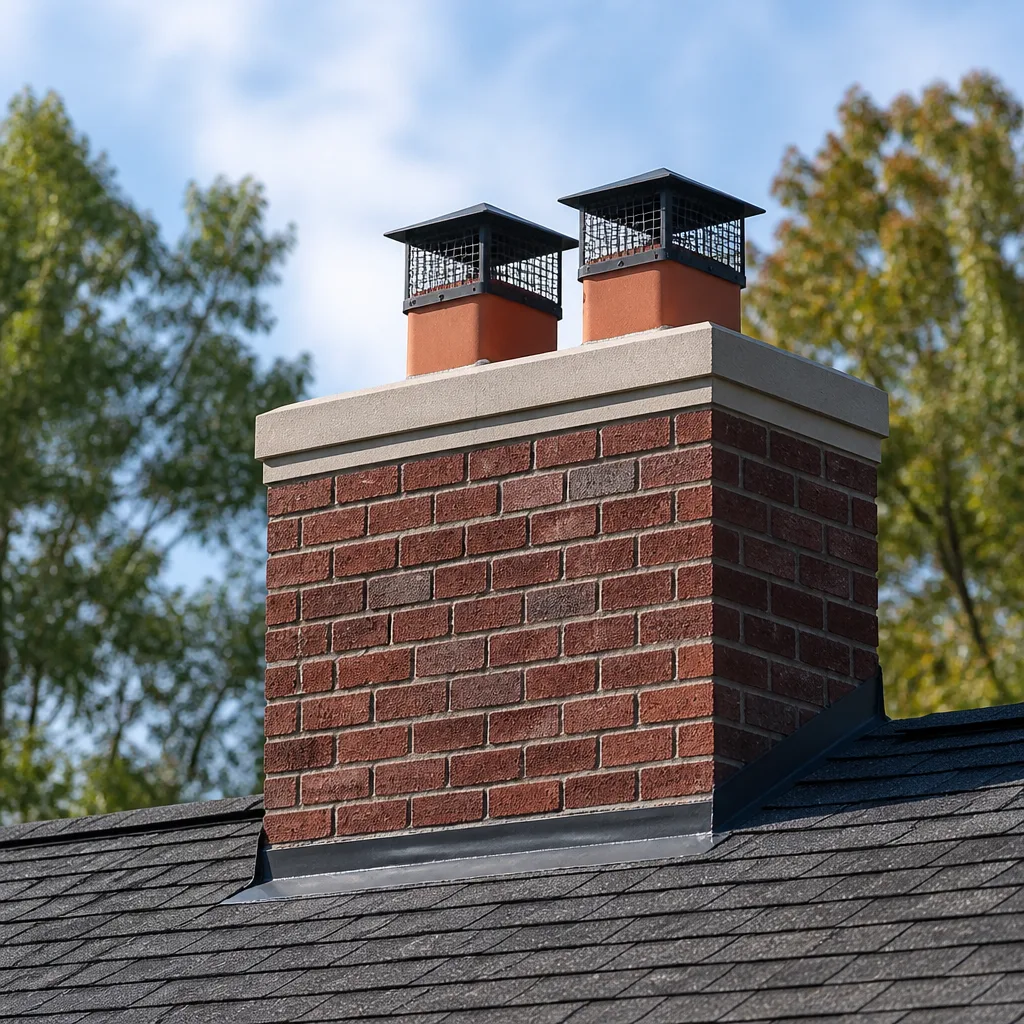 Caps & crowns
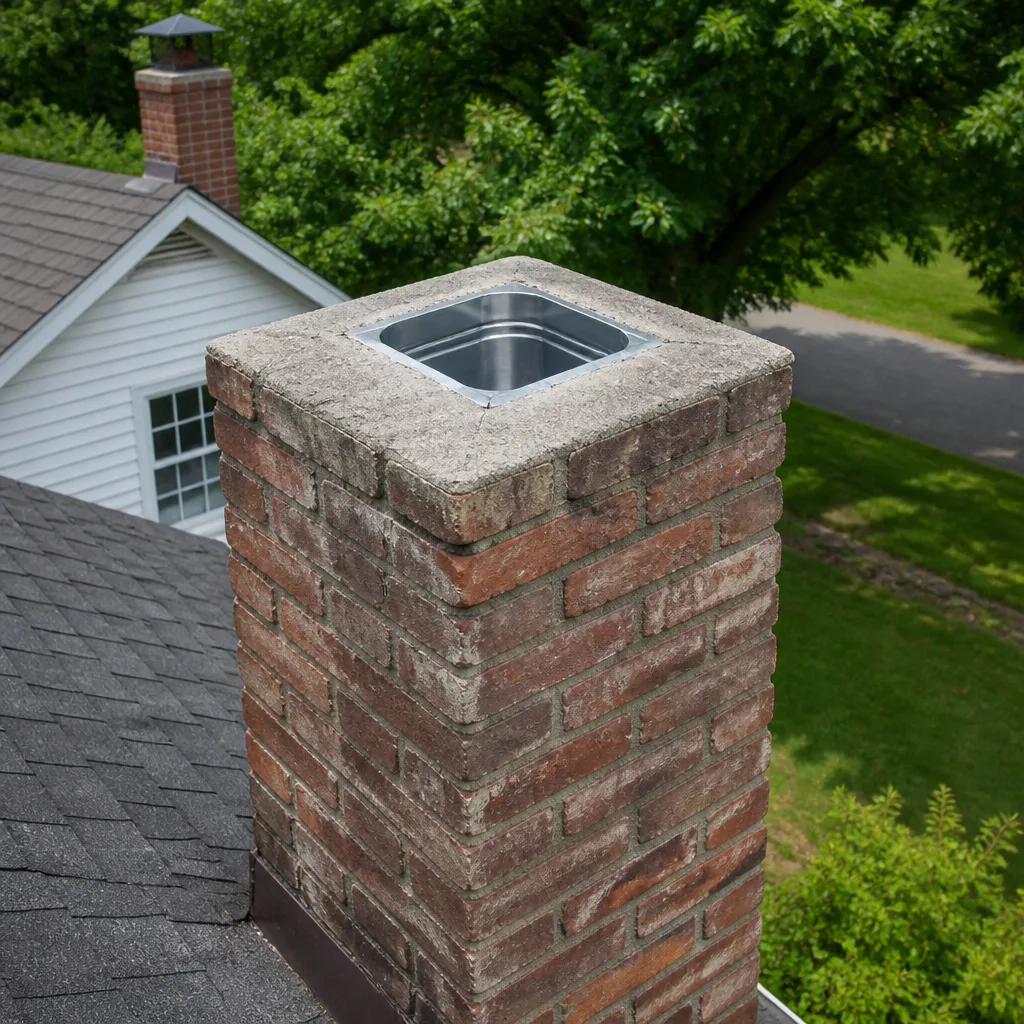 Flue relining
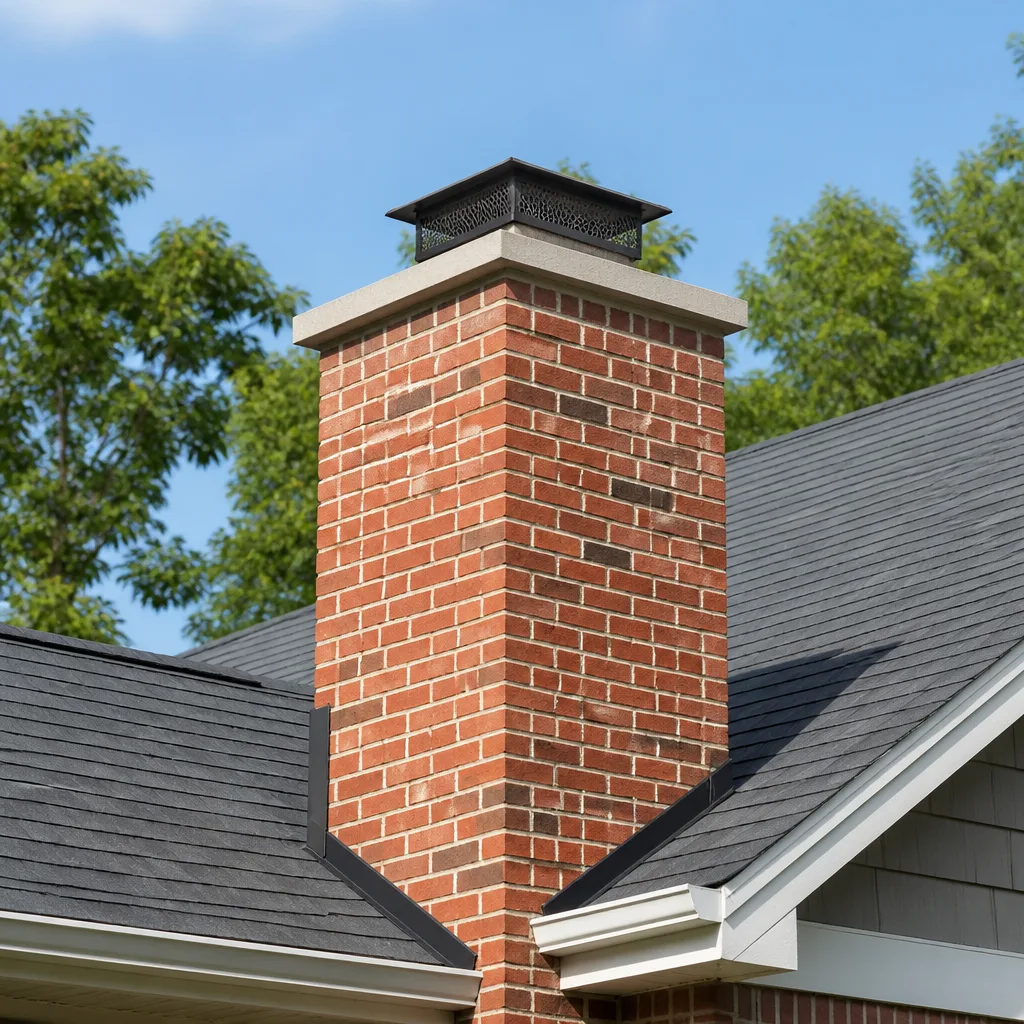 Masonry repair
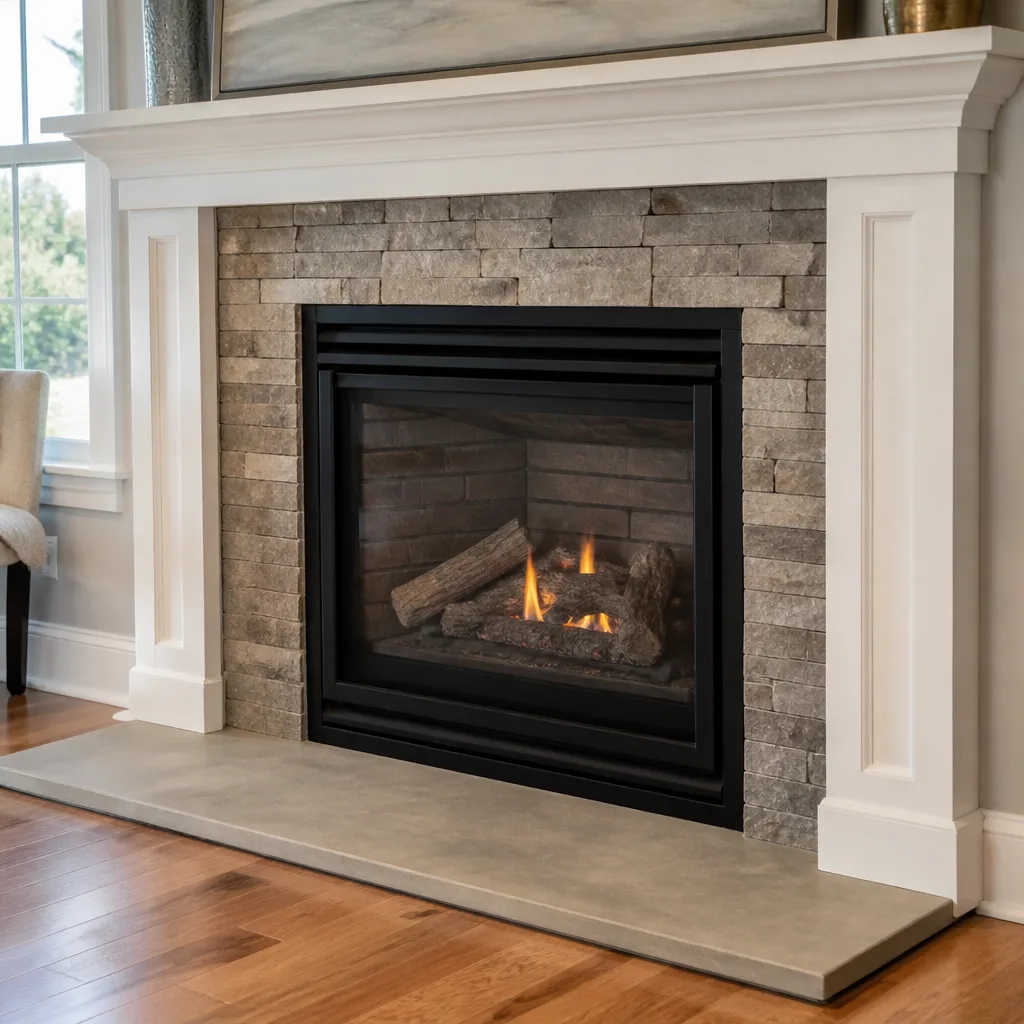 Gas fireplace service
Level 1 sweep and inspection to the NFPA 211 annual standard - flue, crown, cap, and flashing checked and photographed
Chimney sweep logs do not sweep chimneys. They loosen some creosote - which then falls where a brush and vacuum still have to collect it.
Seasonal Chimney Cleaning Care for Ogden: Year-Round Homeowner’s Guide
Most homeowners treat a chimney sweep like a fire alarm: something you reach for when there’s already a problem. That’s backwards. The worst time to discover your damper is warped or your cap is missing is the first cold night in October when you light the first fire of the season, and that’s exactly when sweeps get the most panicked calls. In Ogden, our weather runs through real seasons, and each one puts a different kind of stress on a chimney. This guide walks you through the whole year month by month so you can time the work to the hazard instead of reacting to it.
Quick Answer
The best time for a chimney sweep in Ogden is early fall, before you light your first fire, followed by a structural inspection in spring once the freeze cycle ends. Winter is for monitoring active problems like smoke rollback and odor, and summer is the right window for liner work, cap installation, and masonry waterproofing because scheduling is easier and the work has time to cure before burn season.
Styles & brands we work with
- Sweep & inspection
- Caps & crowns
- Flue relining
- Masonry repair
- Gas fireplace service
Table of Contents
- Why Seasonal Timing Beats an Annual Reminder
- Fall: Sweep Before First Use, Not After
- Winter: Signs That Shouldn’t Wait Until Spring
- Spring: What Snowmelt Reveals About Your Masonry
- Summer: The Off-Season Repair Window
- Building a 12-Month Ogden Chimney Calendar
- Your Chimney Is a System, Not Just a Flue
- Choosing a Chimney Contractor in Ogden
Why Seasonal Timing Beats an Annual Reminder
Generic chimney advice says “sweep once a year” and stops there. That advice is written for a national average that doesn’t exist in any one place. Ogden sits in a high desert valley at the base of the Wasatch, where winters bring real snow loads and hard freezes, springs bring snowmelt and rain, and summers run hot and dry. Each of those conditions attacks a different part of the chimney. Timing your maintenance to the actual hazard calendar is what separates a homeowner who spends little on upkeep from one who faces structural repair.
Think about what happens across a single year. In fall, creosote from last season’s fires is still coating the flue, and it’s about to be reignited. In winter, the freeze-thaw cycle starts working on any water that has gotten into the masonry. In spring, that water expands and contracts as temperatures swing, opening hairline cracks into real ones. In summer, heat and sun dry everything out, which is the ideal condition for resurfacing and waterproofing work. Ignore the sequence and the problems compound. Match your timing to it and most issues get caught while they’re small.
There’s a practical scheduling reality here too. Chimney work in Ogden has a season, and the calls pile up in the two weeks before the first cold snap. Homeowners who book ahead get their pick of dates and a calmer conversation about what the chimney actually needs. Homeowners who wait are competing for the same slots as everyone else who forgot until the first frost.
None of this means you need to spend money every season. It means you need eyes on the right components at the right time. Some years, a fall sweep and a quick look at the cap is all a chimney needs. Other years, a spring inspection finds a crown that cracked over the winter and needs attention before it gets worse. We inspect before we recommend, and we’ll tell you plainly when work can safely wait.
Fall: Sweep Before First Use, Not After
A fall sweep before the first fire is the single most important piece of chimney maintenance in Ogden, and it’s also the one homeowners most often skip. The logic is simple: whatever is sitting in the flue right now is going to burn when you light up. A fall sweep removes that accumulated creosote before it has a chance to ignite, and it puts a trained eye on the parts of the system that winter will stress.
So what actually gets checked in a proper pre-burn appointment? A thorough sweep is more than running a brush down the flue. Here’s the short list of what a qualified technician looks at:
- Flue condition: how much creosote has built up and what stage it’s in, plus any signs of glazing that a brush alone won’t address.
- Damper operation: whether the damper opens, closes, and seals properly. A warped or stuck damper changes how the whole firebox drafts.
- Cap and spark screen: that the cap is intact, attached, and free of debris, nests, or blockages that would stop the flue from breathing.
- Crown and flashing: a visual check for cracks or lifted flashing that will let water in once snow starts sitting on the roof.
- Firebox and smoke chamber: any gaps, deteriorating mortar, or warping that affects how smoke moves.
That last point is where the difference between a sweep and a chimney system specialist shows up. A brush-and-go visit clears the flue. A proper chimney sweep clears the flue and documents the rest of the system so you know exactly what condition you’re heading into winter with. Any needed fireplace repair gets identified before cold weather makes it a scramble.
The counterintuitive point: a sweep after the season is worth less than a sweep before it. If you sweep in spring, you clean out a flue that then sits idle for months, and you didn’t protect the fires you actually burned. Fall cleaning protects the burning season itself. If you can only afford one appointment a year, make it the fall one.
Winter: Signs That Shouldn’t Wait Until Spring
Once burn season starts, most chimney problems are best handled by watching and documenting rather than rushing. But a few signs mean the system has an active problem that should be looked at now, not in April. Knowing the difference keeps you from either panicking every time you smell wood smoke or ignoring something that’s actually failing.
Here’s what to treat as a real signal:
- Smoke rollback. If smoke spills into the room instead of going up, the flue isn’t drafting properly. That can be a blockage, a pressure issue, or a damaged flue liner. It’s a reason to stop burning and get an inspection.
- Persistent odor. A strong creosote smell, or a smoky smell even when the fireplace isn’t in use, can point to buildup or to backdrafting. A lingering smell that wasn’t there before the season started is worth investigating.
- Visible efflorescence or white staining. That chalky white haze on the exterior masonry is a sign of moisture moving through the brick. In Ogden it often shows up after the first hard freezes and points to water getting in somewhere it shouldn’t.
- Cracked or loose interior firebox surfaces. Deteriorating mortar joints or cracks in the firebox are worth a look before they widen.
- Carbon monoxide alarms going off. This is never a wait-and-see situation. Leave the home, ventilate, and call for professional help. Carbon monoxide is the danger most people don’t associate with a wood fireplace, and it’s the reason a blocked or damaged flue is a safety matter, not a comfort one.
What you shouldn’t do in winter is attempt to clean or repair the flue yourself. A chimney has components that carry real risk, and working on a live system during the burn season is how people get hurt. The right move for anything on the list above is to book an inspection and let a trained technician diagnose it. If you’re in the middle of it and need to reach someone, call (866) 937-7544. We answer 24/7. Fast dispatch from 7am to 7pm, Sunday through Friday.
The rest of winter is about observation. Notice how the fireplace drafts, whether the firebox smells different, and whether the exterior masonry shows new staining. Those notes become the starting point for the spring inspection, and they help a technician know what to look for.
Spring: What Snowmelt Reveals About Your Masonry
Spring is when Ogden’s chimneys show their winter damage. All winter, water finds its way into any gap in the masonry: a hairline crack in the crown, a spot where flashing has lifted, a mortar joint that has started to deteriorate. Freeze-thaw cycles expand that water, push the cracks wider, and then release. When the snow melts and the rain starts, the full picture of what the winter did becomes visible.
This is why spring is inspection season rather than cleaning season. The valuable questions in spring are structural:
- Is the crown intact? The crown is the sloped concrete cap at the top of the chimney. Cracks in the crown let water into the flue from the top, which is one of the most common ways a masonry chimney gets damaged.
- Is the flashing still sealed? The flashing is the metal that bridges the roof and the chimney. When it lifts or fails, water runs down into the attic or the interior.
- Are there new cracks in the masonry? Spalling brick, deteriorating mortar, or white staining that wasn’t there in fall are all signs the masonry absorbed water over the winter.
- Is the flue liner intact? A cracked or deteriorated flue liner is a safety issue. It’s the layer that keeps combustion gases inside the flue and away from the structure of the house.
A spring inspection documents what it finds with photos and a report, so you can see the condition for yourself. That’s the whole point of an inspection-first approach: we inspect before we recommend, and we don’t sell repair work that isn’t backed by evidence you can look at.
If the inspection finds damage, spring is also a good time to schedule the repair. Masonry work and chimney cap & crown repair done in spring and early summer has time to cure and settle before the burn season returns. When a crown needs replacing, we work with professional-grade components from lines like Copperfield and Olympia Chimney, so the part is matched to the system rather than improvised.
Summer: The Off-Season Repair Window
Summer is the most underrated season for chimney care in Ogden, and it’s the best window for anything that needs more than a sweep. Two things make July and August ideal: the weather cooperates with repair work, and the calendar is wide open. The August rush hasn’t started, so scheduling is easier and jobs get the unhurried attention they deserve.
What’s worth doing in summer:
- Liner inspection and relining. A deteriorating flue liner is a repair-tier job, not a cleaning job. Summer is when there’s time to inspect the liner carefully, resurface it where that’s the right approach, or install a new flexible stainless liner where it isn’t.
- HeatShield resurfacing. When a clay flue liner has deteriorated but is still structurally sound, resurfacing can restore it without a full reline. This is a repair-tier capability that goes beyond basic sweeping, and it’s worth asking specifically whether a contractor offers it before you assume a reline is your only option.
- Flexible liner installation. For gas, wood, and oil appliance venting, or when a liner is beyond resurfacing, a flexible stainless system like DuraFlex is the standard professional approach. Doing this in summer gives the installation a season to settle before it’s tested by winter.
- Cap and crown work. Installing or replacing a cap, or repairing a cracked crown, is best done in dry, warm weather. A properly fitted cap keeps rain, snow, and animals out of the flue year-round.
- Masonry waterproofing. A breathable waterproofing product applied in summer protects the masonry from the moisture cycle that drives so much chimney damage. It has to be done in dry conditions, which is another reason summer is the window.
Summer also lets you plan rather than react. If a spring inspection flagged something, summer is when you get it fixed on your schedule instead of facing a scramble in October. If you skipped the spring inspection, a summer appointment does double duty: it catches winter damage and gets repairs done before burn season.
Building a 12-Month Ogden Chimney Calendar
A calendar that only says “sweep once” misses most of the picture. Here’s a month-by-month approach built around Ogden’s climate rather than a national average. You don’t need every item every year, but these are the right times to look at the right things.
- Early fall (September to early October): Schedule the pre-burn sweep and inspection. This is the most important appointment of the year, and it’s the one to book first.
- Late October to November: First fires of the season. Watch how the fireplace drafts, note any smoke rollback or unfamiliar odors, and pay attention to whether the damper operates smoothly.
- December through February: Mid-season monitoring. Check the cap for snow and ice buildup, listen for anything unusual in how the fire behaves, and treat smoke rollback, persistent odor, or a carbon monoxide alarm as a reason to stop burning and call.
- Late February to March: Late-winter check. As the freeze-thaw cycle peaks, look for new white staining on exterior masonry or new cracks that weren’t there in the fall.
- April to May: Spring structural inspection. This is when the snowmelt reveals what the winter did to the crown, flashing, and masonry.
- June to August: The repair window. Reline work, HeatShield resurfacing, cap and crown repair, and masonry waterproofing all belong here. Book early in the season for the easiest scheduling.
- September: Final pre-season check. Confirm the cap is secure, the crown is sound, and the chimney is ready before the weather turns.
Two things make this calendar different from generic advice. First, it splits cleaning and inspection into different seasons: cleaning before burn season, structural inspection after the freeze cycle. Second, it treats summer as a working season, not a dead one. The homes that avoid expensive repairs are usually the ones that use that summer window to handle what the spring inspection found.
A note on frequency: how often you sweep depends heavily on how much you burn. A household using the fireplace as a primary heat source needs more frequent attention than one lighting an occasional fire. A camera inspection tells you what’s actually there, and that’s a better basis for a schedule than a rule of thumb from somewhere else.
Your Chimney Is a System, Not Just a Flue
One of the most useful mental shifts in chimney care is to stop thinking of the chimney as a tube and start thinking of it as a system. The flue, liner, crown, cap, flashing, firebox, and smoke chamber all work together. A crack in the crown lets water into the flue, which deteriorates the liner, which changes how the firebox drafts. A missing cap lets in rain and animals, which can block the flue and cause smoke rollback. Problems in one component travel to the others.
That’s why a thorough inspection matters more than a fast sweep. If a contractor only looks at the inside of the flue, they’ll miss the crown crack that’s going to cause the next problem. A system-level inspection checks the whole assembly and documents how the parts relate to each other. It’s also why keeping one qualified contractor from start to finish makes sense: the person who diagnoses the problem should be the person who fixes it.
Payment for one visible problem and repair for a hidden consequence is a pattern worth avoiding. The inspection-first approach catches the hidden part before it becomes a separate, larger job. If you’ve had a cap replaced but never had the crown checked, or a sweep done but never an inspection of the liner, the system hasn’t really been evaluated. One crew, start to finish, closes that gap.
Choosing a Chimney Contractor in Ogden
Chimney work is a specialty, and not every generalist is equipped for it. A pressure-washing company with a brush kit can clear a flue, but the value in chimney work is in the diagnosis and the range of repair it can handle. Here’s what to look for when you’re deciding who works on your system:
- Range of capability. Can the contractor handle a sweep, a full inspection, liner work, fireplace repair, and cap and crown work? The broader the capability, the less likely you’ll be handed off to a second contractor mid-project.
- Professional-grade materials. Ask what product lines they use. Working with established chimney brands like DuraFlex, HeatShield, Gelco, Olympia Chimney, Famco, and Copperfield signals a contractor equipped for real repair work, not just cleaning.
- Repair-tier skills. HeatShield resurfacing is a specific capability that goes beyond basic sweeping. Whether a contractor can resurface a liner matters when you’re deciding between resurfacing and a full reline.
- Inspection-first philosophy. The right contractor documents what they find and shows you the evidence before recommending work. That protects you from being told you need thousands of dollars of repair you can’t verify.
- Licensing and insurance. The local professional doing the work should be licensed and insured as their state requires. Ask, and expect a clear answer.
At Ogden Chimney Sweep, we work across the full chimney system – sweeping and inspection through fireplace repair, chimney repair, and cap and crown installation. Our technicians have up to 10 years of experience, and we’ve seen how much difference a well-timed appointment makes. We don’t recommend repair without camera evidence you can see for yourself, and we’ll tell you when something can safely wait.
Common Mistakes to Avoid
- Sweeping only after the season. A spring sweep cleans a flue that then sits idle. Sweeping before the first fire protects the fires you actually burn, which is the whole point.
- Skipping the spring inspection. Fall cleaning clears the flue but doesn’t catch the crown crack that opened over the winter. The freeze-thaw cycle does most of its damage between fall and spring, and only a spring inspection sees it.
- Treating a sweep as an inspection. A brush clears the flue. A full inspection checks the liner, crown, cap, flashing, firebox, and smoke chamber. They’re related but not the same thing.
- Waiting for smoke rollback to become a habit. Occasional smoke on a cold start is one thing. Regular rollback is the flue telling you it isn’t drafting properly, and it’s a reason to look at the liner and the cap.
- Ignoring white staining on the exterior brick. Efflorescence is moisture moving through the masonry. Left alone through another winter in Ogden, it can widen into real cracks and spalling.
- Assuming a reline is always the answer. Sometimes a deteriorated liner can be resurfaced with HeatShield rather than replaced. Ask whether resurfacing is an option before committing to a full reline.
- Putting off summer work until the October rush. Liner work, cap installation, and waterproofing are far easier to schedule in summer. Waiting turns a planned job into a scramble.
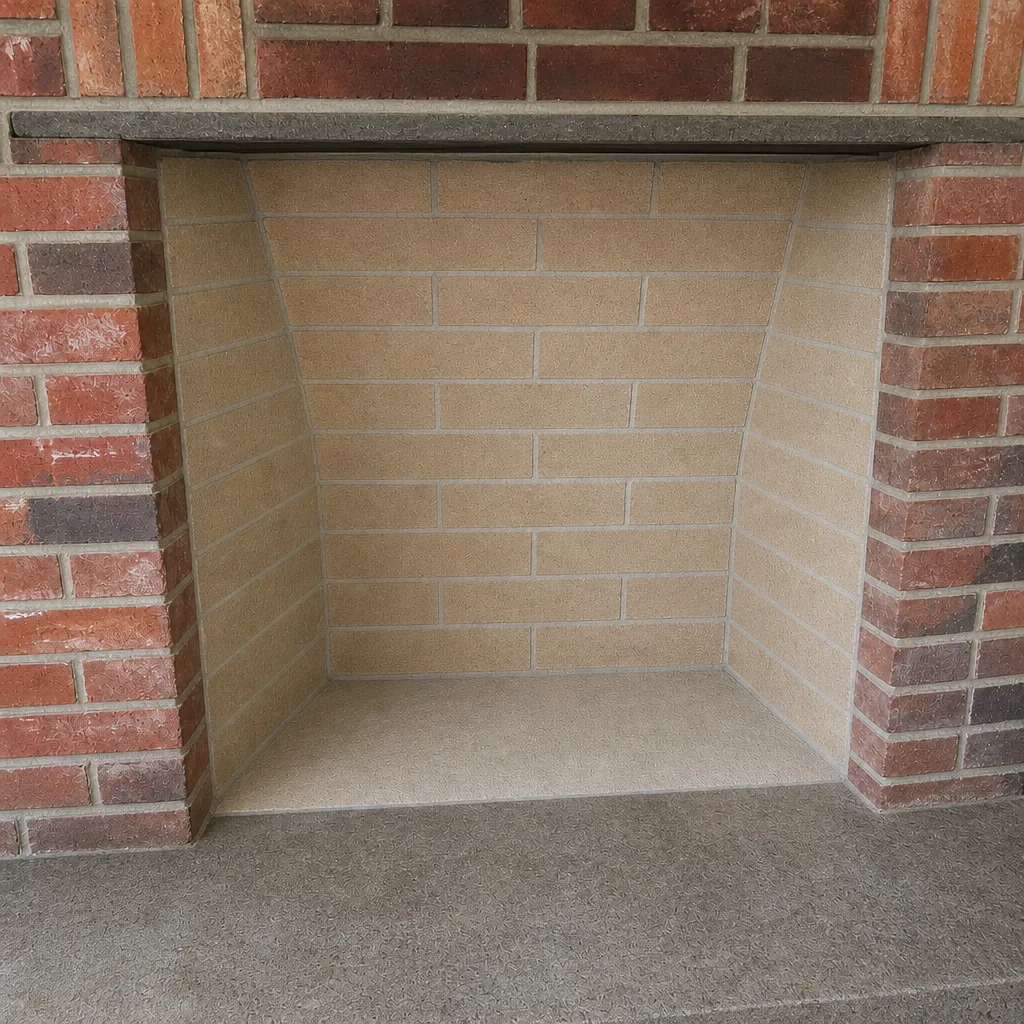
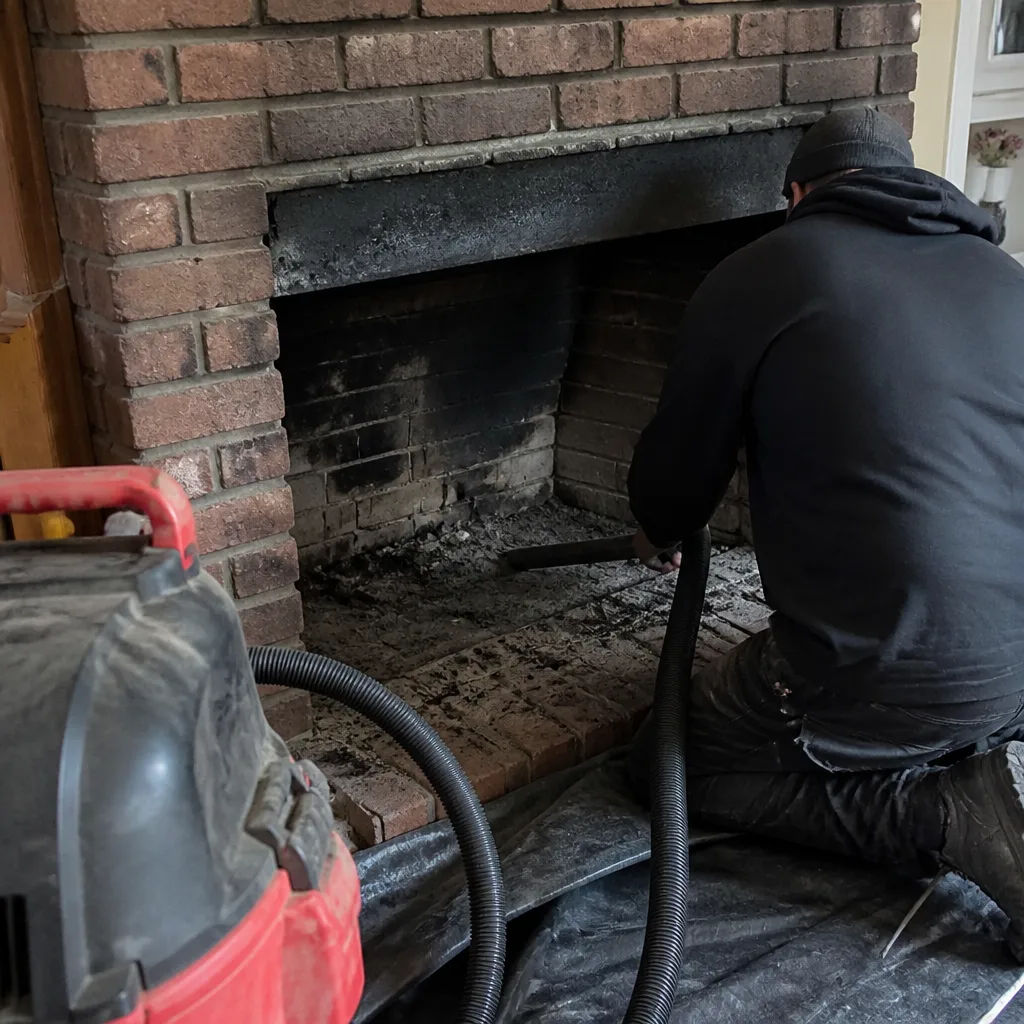
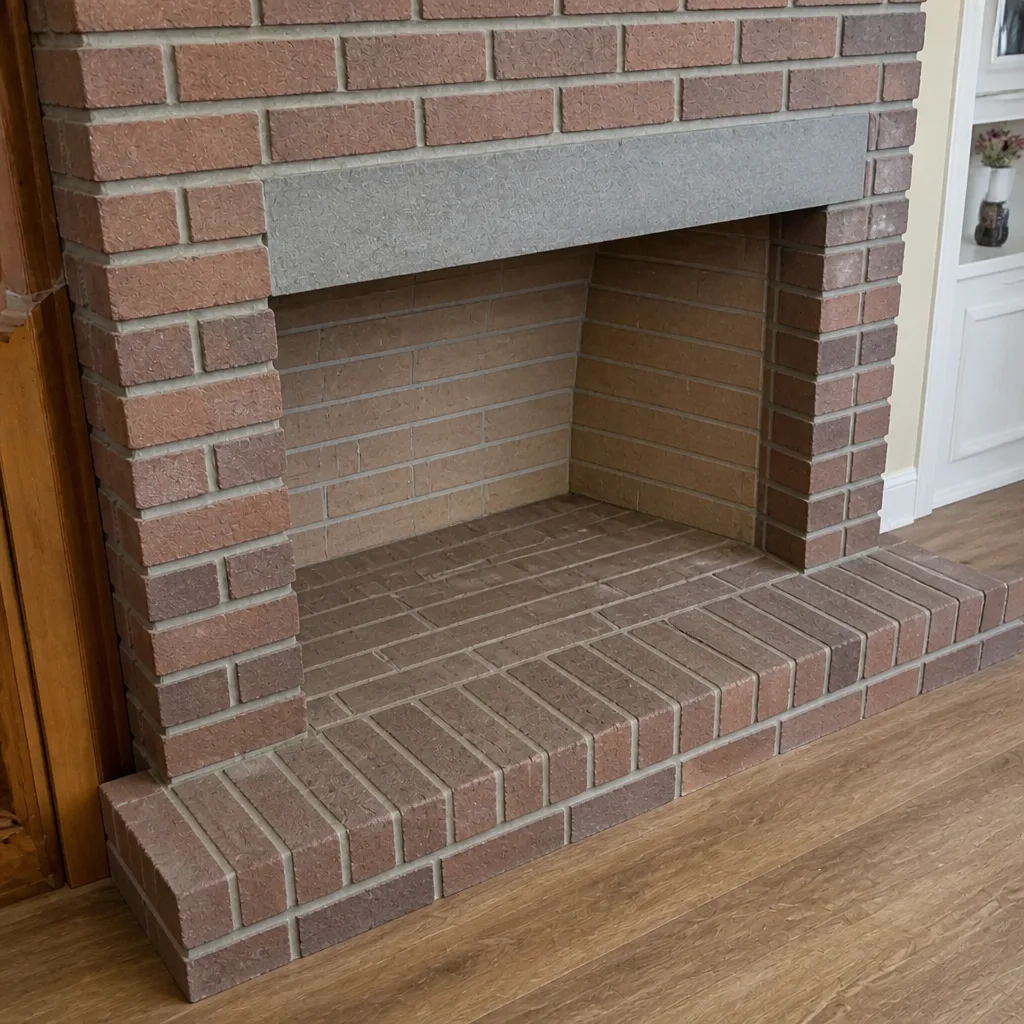
See the difference
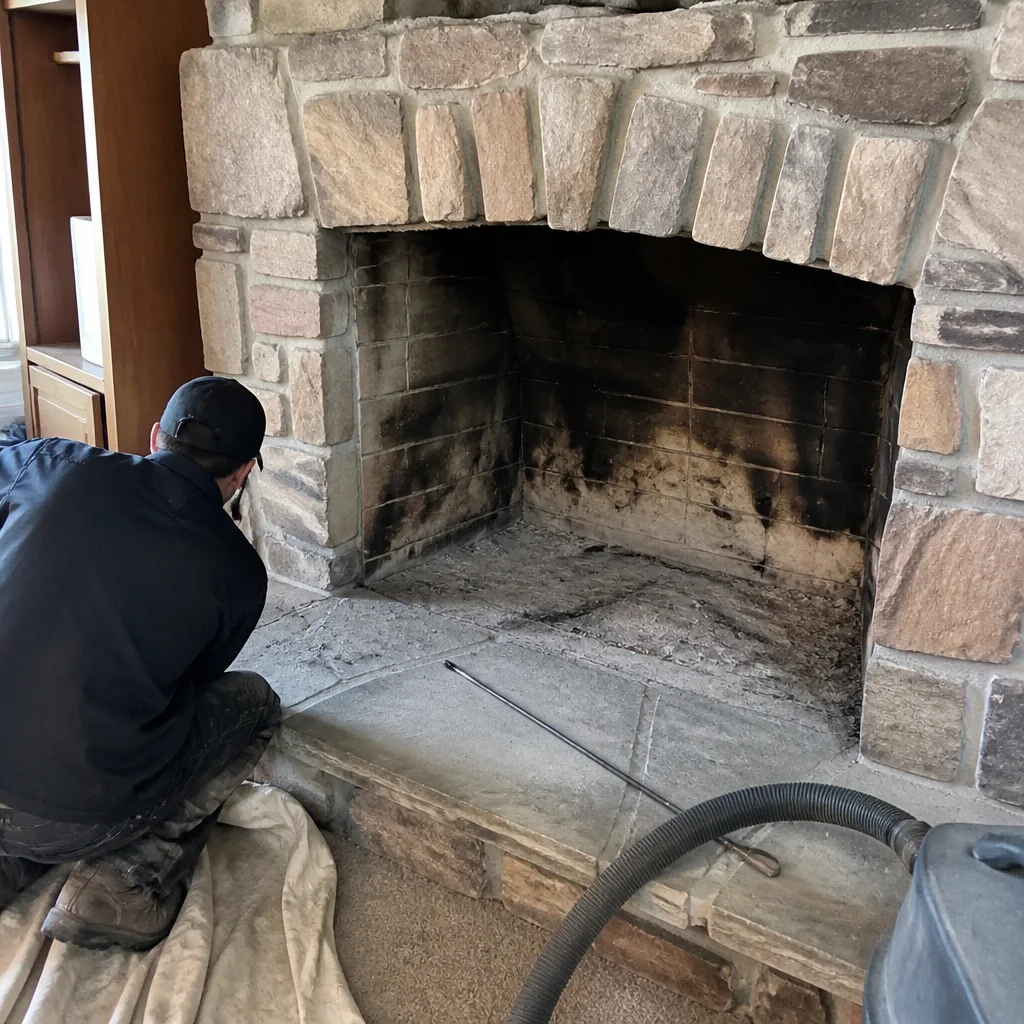 Before
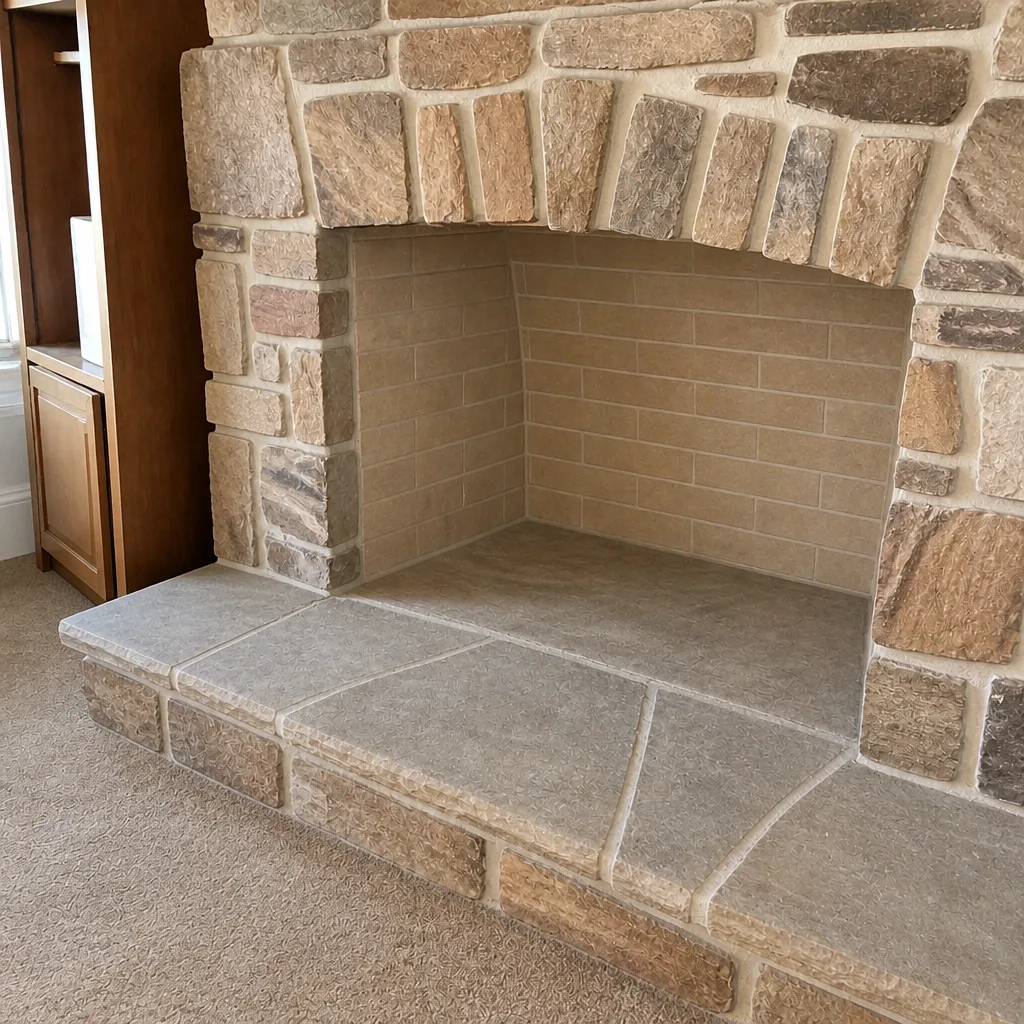 After
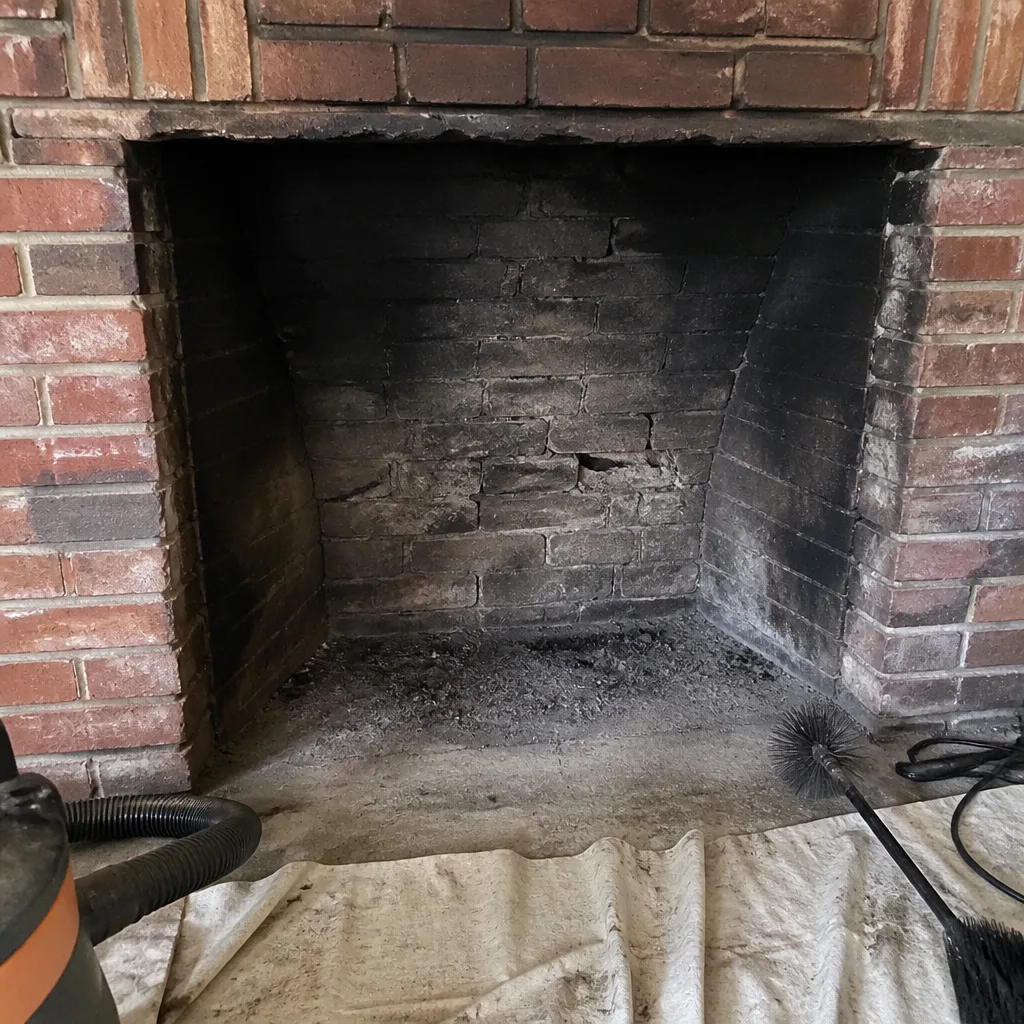 Before
 After
 Before
 After
When to Call a Professional
Most of the year, you’re monitoring and scheduling. A few situations call for a professional now rather than later. If smoke rolls back into the room, if a carbon monoxide alarm sounds, if you smell creosote or smoke strongly when the fireplace isn’t burning, or if you see new cracks or white staining spreading on the exterior masonry, stop and get an inspection. A blocked or damaged flue is a safety matter, and DIY work on a live chimney is how people get hurt. Get the pre-burn sweep on the calendar in fall, and get the structural inspection done in spring. Everything else is scheduling. Ogden Chimney Sweep offers free estimates in Ogden – call (866) 937-7544. We answer 24/7. Fast dispatch from 7am to 7pm, Sunday through Friday.
Frequently Asked Questions
Early fall, before you light your first fire. A fall sweep removes last season’s creosote before it has a chance to reignite and puts trained eyes on the flue, damper, cap, and crown before winter stress begins. Call (866) 937-7544 for an exact quote – estimates are free.
It depends on how much you burn. A fireplace used regularly as a heat source needs more frequent attention than one used for an occasional fire. Build a schedule around your actual use and a camera inspection, not a fixed rule from somewhere else. Call (866) 937-7544 – estimates are free.
Smoke rollback into the room, strong creosote or smoky odor when the fire isn’t burning, a sounding carbon monoxide alarm, or visible new white staining on the masonry. Those point to an active problem worth an inspection now. Call (866) 937-7544 – estimates are free.
Sometimes resurfacing is enough. When a clay flue liner has deteriorated but is structurally sound, HeatShield resurfacing can restore it without a full reline. Which is right depends on the inspection, and we don’t recommend either without camera evidence you can see. Call (866) 937-7544 – estimates are free.
Scheduling is easier and the weather lets repair work cure and settle before burn season. Liner inspection and relining, HeatShield resurfacing, cap and crown work, and masonry waterproofing all do best in dry, warm conditions. Call (866) 937-7544 – estimates are free.
Creosote keeps building up, water keeps finding its way into the masonry, and small cracks keep widening with each freeze-thaw cycle. Most of these are cheaper to handle early than after a winter or two of compounding. Call (866) 937-7544 – estimates are free.
The Bottom Line
Chimney care in Ogden isn’t about one annual reminder. It’s about matching the work to the season. Sweep before the first fire in fall to protect the burn season. Watch for smoke rollback, odor, and new staining through winter and call if you see them. Inspect the crown, flashing, and masonry in spring once the freeze cycle breaks, because that’s when the winter’s damage shows. Use summer for liner work, cap and crown repair, and waterproofing, when scheduling is easy and the weather cooperates. Build the calendar, keep one qualified contractor from start to finish, and treat your chimney as the system it is. That’s how you diagnose, restore, and protect a chimney without ever facing an October scramble.
Written by the team at Ogden Chimney Sweep.