
Last updated November 24, 2026
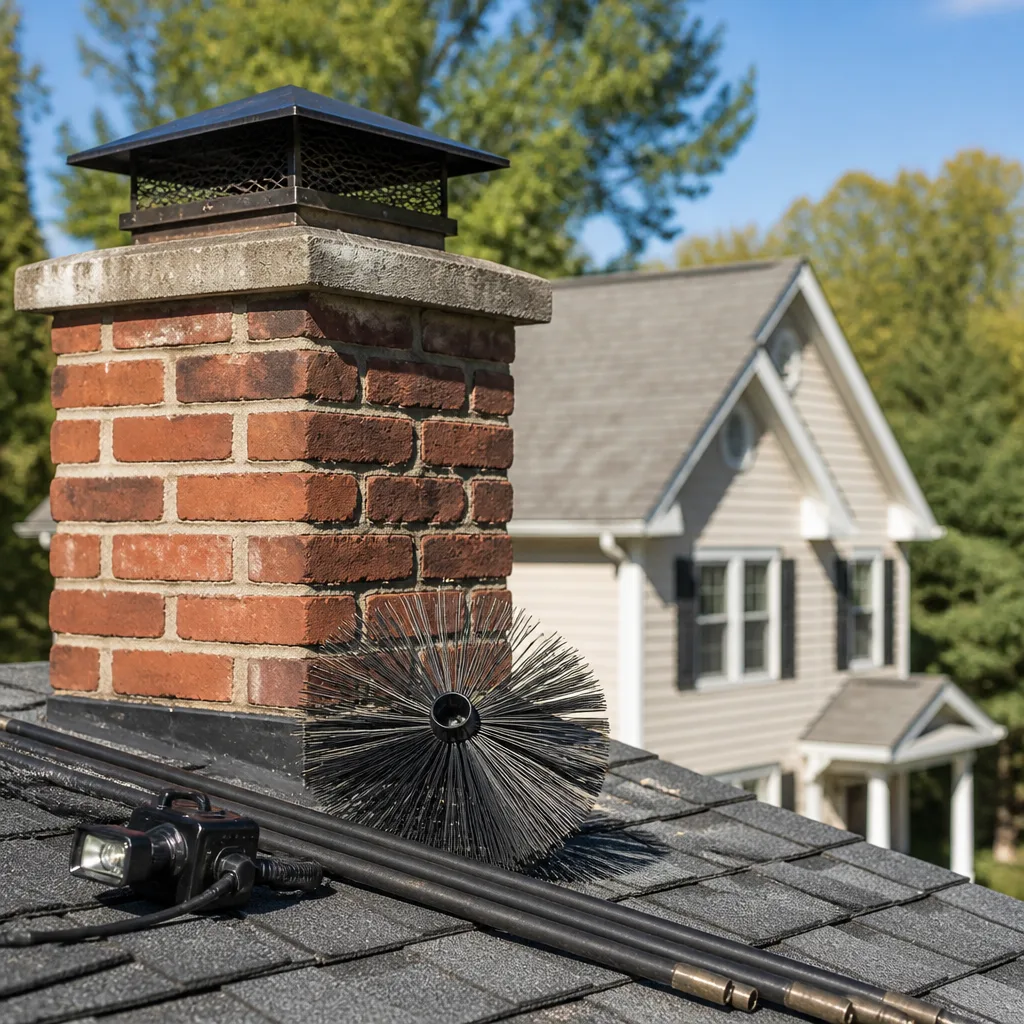 Sweep & inspection
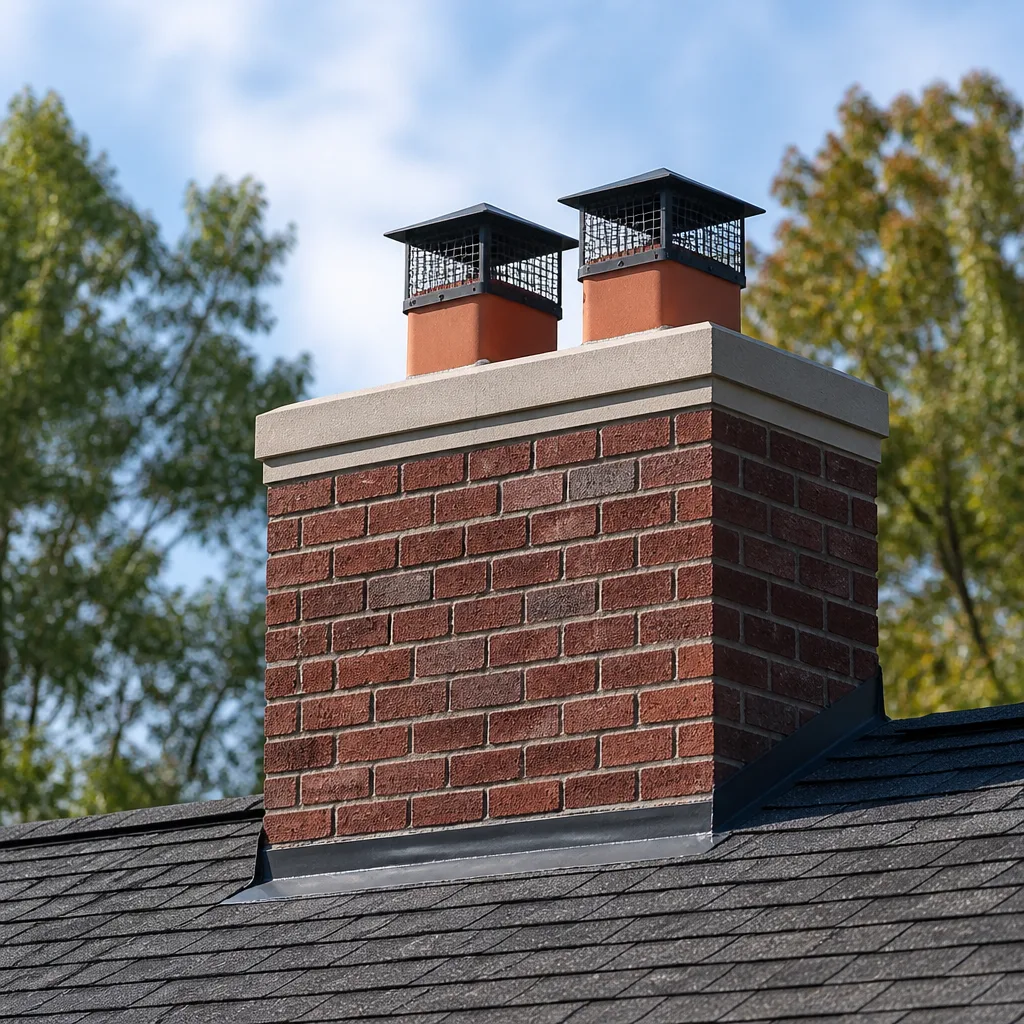 Caps & crowns
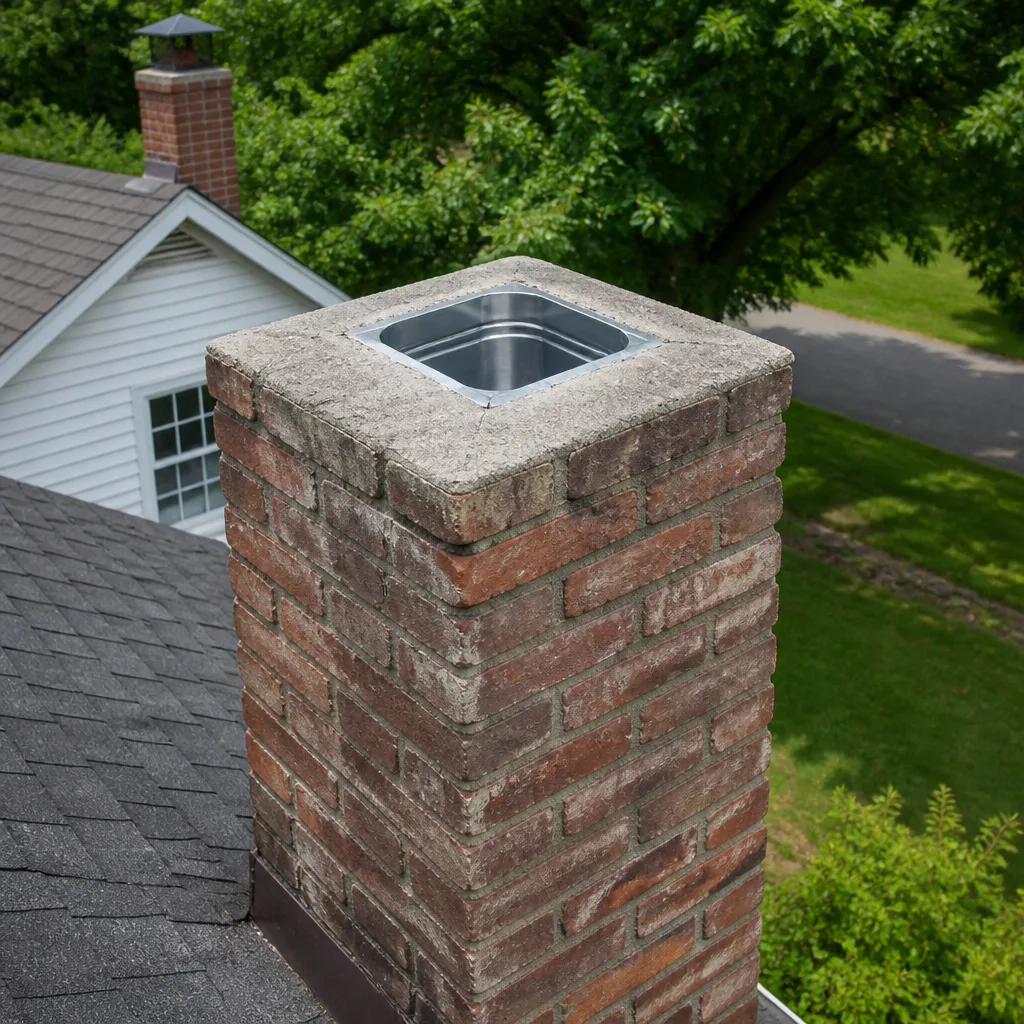 Flue relining
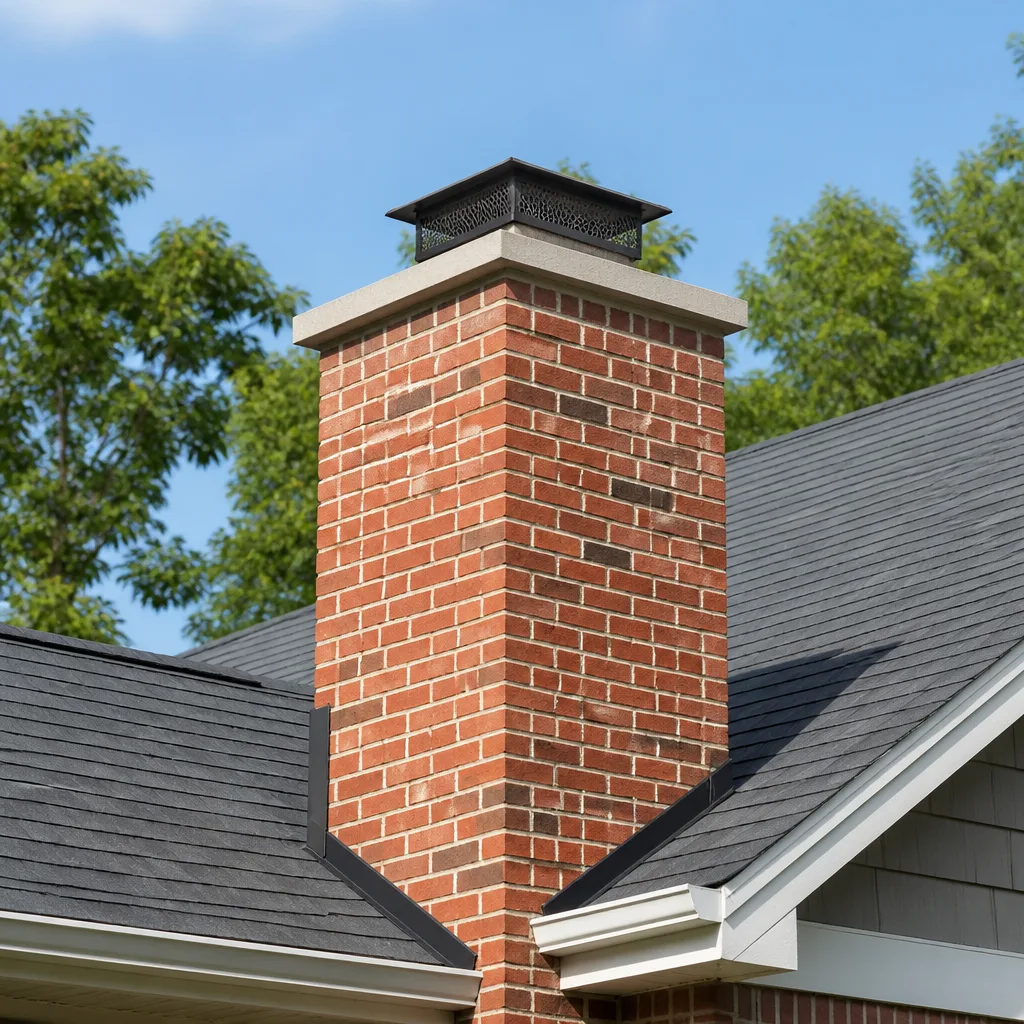 Masonry repair
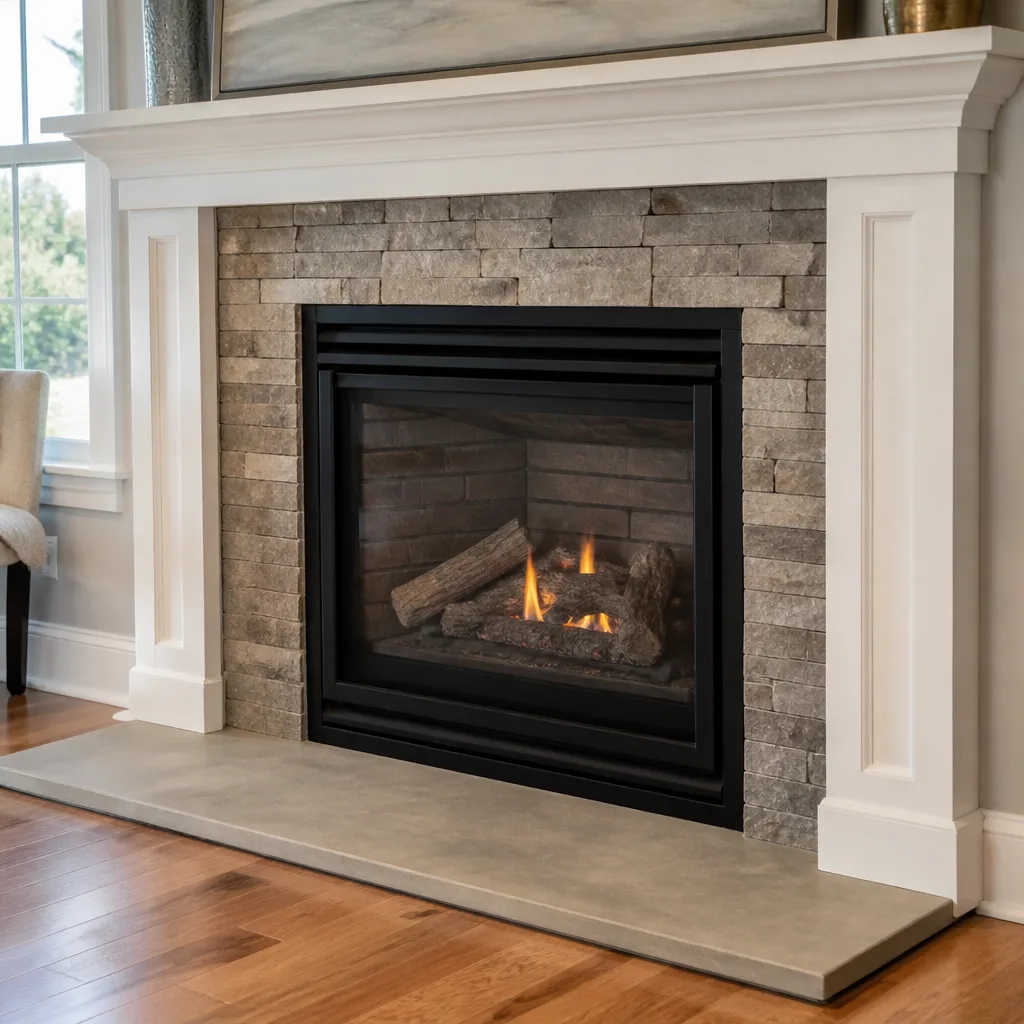 Gas fireplace service
Level 1 sweep and inspection to the NFPA 211 annual standard - flue, crown, cap, and flashing checked and photographed
Chimney sweep logs do not sweep chimneys. They loosen some creosote - which then falls where a brush and vacuum still have to collect it.
Chimney Cleaning Emergency Preparedness Guide for Ogden Homes
A chimney fire doesn’t always announce itself with a roar. Often it’s a low crackling, a rumble that sounds like a distant train, or a faint tar smell drifting into the room while the fire burns. Homeowners who have never been told what to listen for keep feeding the fire for twenty minutes before it occurs to them that something is wrong. That gap between the first sign and the first call is where most preventable damage happens. This guide covers how to recognize a chimney emergency in Ogden, what to do while you wait for help, how carbon monoxide fits into the picture, and how to build a response plan before you ever need one.
Quick Answer
If you suspect a chimney fire, stop adding wood, close the glass doors, get everyone outside, and call 911. Do not pour water into a hot firebox unless the fire department tells you to. After any chimney fire, the fireplace stays out of use until a Level 2 inspection confirms the liner and structure are intact. Carbon monoxide is the quieter danger, so working CO detectors near sleeping areas and a clear, unobstructed flue are part of the same preparedness plan.
Styles & brands we work with
- Sweep & inspection
- Caps & crowns
- Flue relining
- Masonry repair
- Gas fireplace service
Table of Contents
- How to Recognize an Active Chimney Fire in Progress
- The Immediate Response Sequence and What Not to Do
- Carbon Monoxide Risks in Ogden Chimney Systems
- What Happens After a Chimney Fire
- Building a Pre-Season Emergency Information Card
- How Ogden’s Winter Burning Season Raises the Stakes
- Prevention: The Habits That Actually Matter
- Common Mistakes to Avoid
How to Recognize an Active Chimney Fire in Progress
Most chimney fires are not the dramatic, roaring event people picture. Many smolder at low intensity inside the flue and go unnoticed until a sweep finds the damage. Others announce themselves in ways that are easy to dismiss if you don’t know what you’re listening for. The signs fall into three categories: sound, smell, and what you can see outside.
What a chimney fire can sound like or look like:
- Sound: A low rumbling, a crackling that doesn’t match the fire in the firebox, or a sound like a freight train or a distant roar. This can be intense for a few seconds and then fade, which fools people into thinking it passed.
- Smell: A sharp, hot, tar-like odor in the room, or smoke that suddenly backs into the house despite an open damper.
- Outside signs: Thick black or dark gray smoke shooting from the top of the chimney, sparks or flaming debris visible at the chimney cap, or a pinging or popping noise from the flue as it heats unevenly.
- Structure: A hot chimney chase, a vibration you can feel on the wall near the chimney, or discoloration appearing on nearby wood framing.
Creosote is the fuel that drives these fires, and it builds fastest when the fire burns cool and long. In Ogden, where cold nights stretch through the burning season and many homeowners damp the fire down to last until morning, creosote accumulation is a real concern. A fire that’s been running cool doesn’t feel dangerous, but the lining it leaves behind does. Recognizing the signs early is the difference between a contained event and a damaged chimney that needs chimney repair before it can be used again.
The Immediate Response Sequence and What Not to Do
If you believe a chimney fire is happening, the response is straightforward and the mistakes come from doing too much rather than too little. Here’s the recommended order:
- Stop adding wood immediately. The fire cannot grow without fuel, and every piece you add feeds the flue.
- Close the glass doors or fire screen. This limits how much oxygen reaches the firebox and helps keep smoke from pouring into the room.
- Get everyone out of the house and call 911. Do this even if the fire seems small. Chimney fires can flash back to full intensity, and the fire department is the only one who can confirm the structure is safe.
- Stay outside and wait. Let the fire department assess the chimney from the roof and the firebox from inside before anyone returns to the living space.
What not to do while waiting:
- Do not pour water into the firebox of a very hot fire. Thermal shock can crack a clay liner or a metal flue, turning a contained fire into a structural repair.
- Do not open the damper further to “vent” the fire. More draft means more oxygen and a hotter fire.
- Do not run up to the roof yourself. A hot, weak chimney and a homeowner with a garden hose is how injuries happen.
- Do not open windows and doors to air the place out while the fire is active. That increases draft through the chimney, and it can pull smoke and gases deeper into the home.
If a fire happens at a time when our phone lines are open, we answer 24/7. A call outside dispatch hours is booked into the next opening, Sunday through Friday, 7am to 7pm. But for an active fire, 911 is the first call, not a sweep. We come afterward to inspect and document what the fire left behind.
Carbon Monoxide Risks in Ogden Chimney Systems
Chimney fires are loud; carbon monoxide is silent. A chimney system that vents correctly pulls combustion gases up and out. A system with a cracked liner, a blocked flue, a deteriorated crown, or a negative-pressure situation can push those gases back into the house. CO is colorless and odorless, so the only reliable way to catch a problem is a detector that works.
Where CO detectors belong in a home with a fireplace or stove:
- On every floor that has sleeping rooms, including the basement if someone sleeps there.
- Outside each sleeping area, so the alarm is heard by people who are asleep.
- In the room with the fireplace or stove, positioned high on a wall or ceiling but at least a few feet from the appliance itself to avoid nuisance alarms from normal start-up draft.
Test the detectors at the start of the burning season and again mid-season. Replace batteries on a fixed schedule, and note the test date so you’re not guessing. A CO detector near the fireplace doesn’t replace one near the bedrooms, and neither replaces a proper inspection. Cracks in a liner, a flue partly blocked by a bird nest or a collapsed cap, and negative pressure from a modern tight house are all conditions a technician can catch before they cause an event. In Ogden, the combination of cold nights, sealed homes, and older masonry chimneys makes this a real consideration for anyone burning wood or running a gas appliance.
What Happens After a Chimney Fire
After a chimney fire, the fire itself is only half the emergency. The structure is often compromised in ways no one can see from the living room. That’s why the fireplace must not be used again until a Level 2 inspection is complete. This is standard practice in the trade, not a sales tactic.
A Level 2 inspection is more thorough than the visual check done at a routine annual visit. It includes an examination of the accessible portions of the chimney and flue, and often a camera scan of the liner. What the inspector is looking for after a chimney fire:
- Cracked or warped liner: Clay tile can spall and crack under heat, and a metal liner can warp at the seams. Either condition means combustion gases can escape into the structure.
- Damaged or missing mortar joints: Hot fires accelerate joint failure, especially in older brick chimneys.
- Buckled or distorted components: A fireplace damper, throat, or firebox can warp under a hot fire.
- Pyrolysis: Nearby wood framing that has been repeatedly exposed to heat can char and become easier to ignite in the future.
- Crown and cap damage: A hot fire can crack the crown or distort the cap, opening the door to water intrusion and future problems.
When the inspection finds a compromised liner, resurfacing it with HeatShield ceramic material can restore a workable flue interior without a full tear-out. When a liner is beyond resurfacing, a DuraFlex flexible stainless liner is the standard replacement. Either way, the decision rests on camera evidence you can look at yourself. If the liner is sound and the structure is intact but the flue simply needs an Ogden Chimney Sweep cleaning to remove what the fire deposited, that’s a different conversation. We inspect before we recommend, and we say so when things can safely wait.
Building a Pre-Season Emergency Information Card
The best time to figure out who to call is before you need to call anyone. A simple card taped inside a cabinet near the fireplace takes ten minutes to make and removes the panic from a bad night. Here’s what goes on it:
- Your sweep’s phone number. Write it large. Include ours: (866) 937-7544.
- Your local fire department’s non-emergency line. The 911 line is for fires in progress; the non-emergency line is for everything else, like a bird in the flue or a smell you’re trying to identify.
- The date the CO detectors were last tested and the batteries last replaced. A small calendar reminder helps too.
- The date of the last chimney inspection, and what it found. If the technician flagged a cracked crown or a thin liner, note it. That’s the context that helps you decide whether a strange smell is urgent.
- Basic fire-suppression reminders: where the extinguisher hangs, and which exterior door is the quickest way out from the fireplace room.
- A short list of “never do” items, because under stress people forget. No water in a hot firebox. No roof access. No re-using the fireplace after a fire until inspected.
Post a second copy where the kids or guests can see it. In a household that fires up the wood stove every evening through the winter, the card earns its place. It also makes a difference for anyone asking a neighbor or a spouse to handle the call while everyone else gets out.
How Ogden’s Winter Burning Season Raises the Stakes
Ogden sits in a valley where cold air settles in for the long stretch, and a lot of homes burn wood as a primary or secondary heat source from fall into spring. That pattern concentrates risk. Long, slow burns at dampered-down settings produce the most creosote, and creosote is the fuel load that turns a small flue fire into a serious one. Homes that burn every evening need more frequent sweeps than a household that lights a fire a few times a year.
Valley cold snaps also drive people to close up the house tightly, which changes how a chimney drafts. Negative pressure in a well-sealed home can pull air down the flue instead of up, and that’s when CO backs into a living space. Older neighborhoods in Ogden have masonry chimneys that were built to vent appliances that may have been replaced since, and the liner may not match the current appliance. A gas insert running in an unlined or undersized flue is a common setup that needs to be checked by someone who knows what to look for.
Snow and ice add their own complications. A cap loaded with snow can block the flue, and freeze-thaw cycles widen cracks in the crown and mortar. The chimney cap & crown work is often what protects the whole assembly through winter, and a chimney sweep at the start of the season is the cheapest way to catch a problem before it becomes an emergency.
Prevention: The Habits That Actually Matter
Every chimney emergency in Ogden has a precursor. A warning sign someone noticed but dismissed, or a maintenance step that got skipped because the season got busy. The habits that prevent emergencies are simple and unglamorous.
- Schedule a sweep before the first real cold snap, not after the first smoky evening. The start of the season is when a problem is easiest to address.
- Burn dry, seasoned wood. Wet wood burns cool and leaves more creosote. That’s the single biggest driver of long-term flue condition.
- Don’t damper the fire down overnight and walk away. Low, smoldering fires are creosote factories. A hot, clean burn with seasoned wood followed by a proper cool-down is gentler on the flue.
- Test CO detectors with every season change. Set a reminder on your phone. A detector that isn’t tested isn’t a plan.
- Keep the chimney clear at the cap. Bird nests, leaf debris, and snow loads block the flue. A proper cap with a spark screen is the fix, and it’s part of routine fireplace repair and maintenance.
- Get the flue inspected any year you notice a change. A new smell, a different draft, or a change in how the fire burns all warrant a look.
Our technicians have up to 10 years of experience, and much of that is spent explaining why these habits matter. A sweep isn’t a luxury; it’s the maintenance that keeps the whole chimney system working.
Common Mistakes to Avoid
- Pouring water into a hot firebox. Thermal shock can crack a clay tile liner, and what was a contained fire becomes a repair. Let the fire department handle the cooling.
- Re-lighting the fireplace the next day. The flue may look fine from the firebox, but a Level 2 inspection is the only way to confirm the liner and structure survived. Waiting for the inspection costs nothing and protects everything.
- Assuming a small fire caused no damage. Low-intensity chimney fires leave hidden cracks and joint failures that a camera inspection catches and a visual glance doesn’t.
- Placing CO detectors only in the fireplace room. A detector must be near sleeping areas to wake people up. One detector in the living room is not a full plan.
- Skipping the pre-season sweep because last year “looked fine.” A wood-burning household in Ogden can build creosote faster than expected in a cold season. The flue condition changes; the schedule should not.
- Letting a generalist handle the inspection. Chimney systems require a specialist who understands liners, crowns, and venting. A handyman with a brush isn’t a Level 2 inspection.
- Ignoring a cap that’s been knocked loose by winter storms. An open flue invites water, birds, and debris. Small damage compounds quickly when left alone.
See the difference
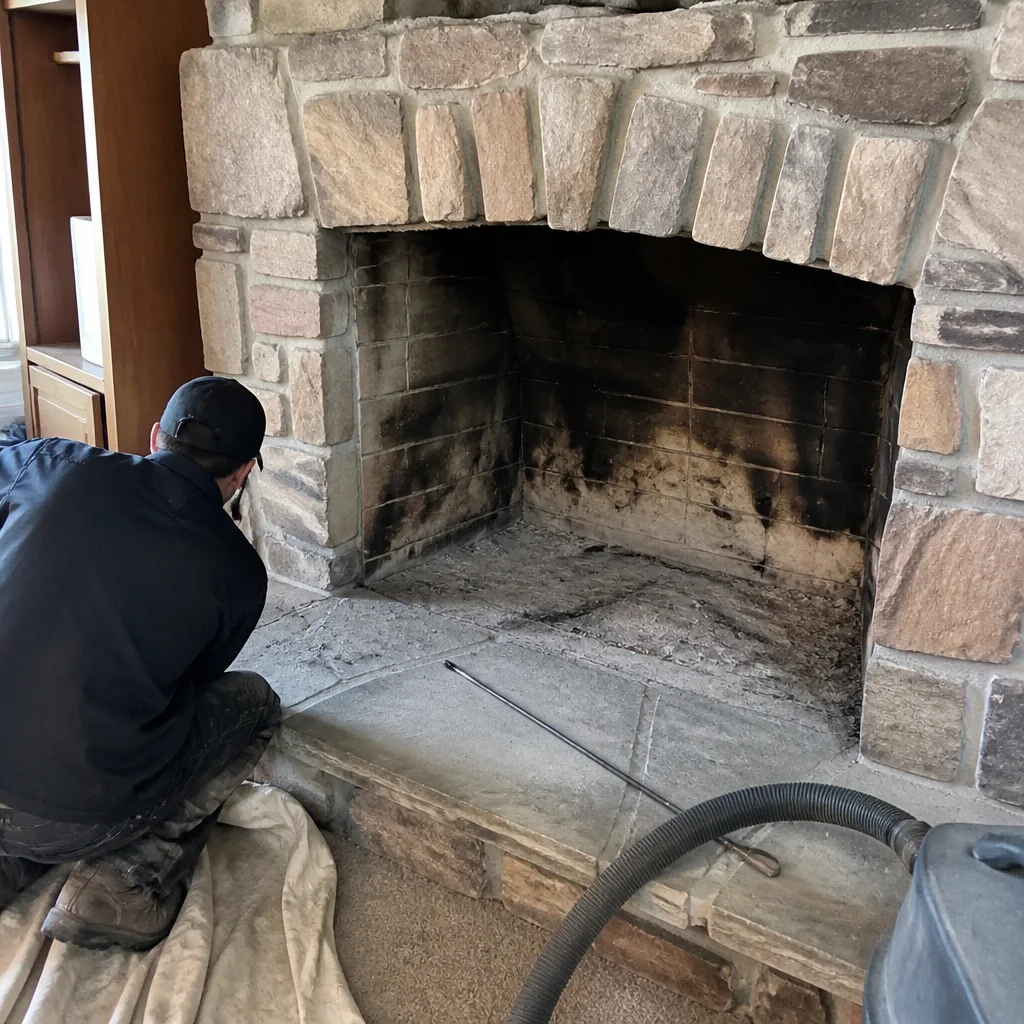 Before
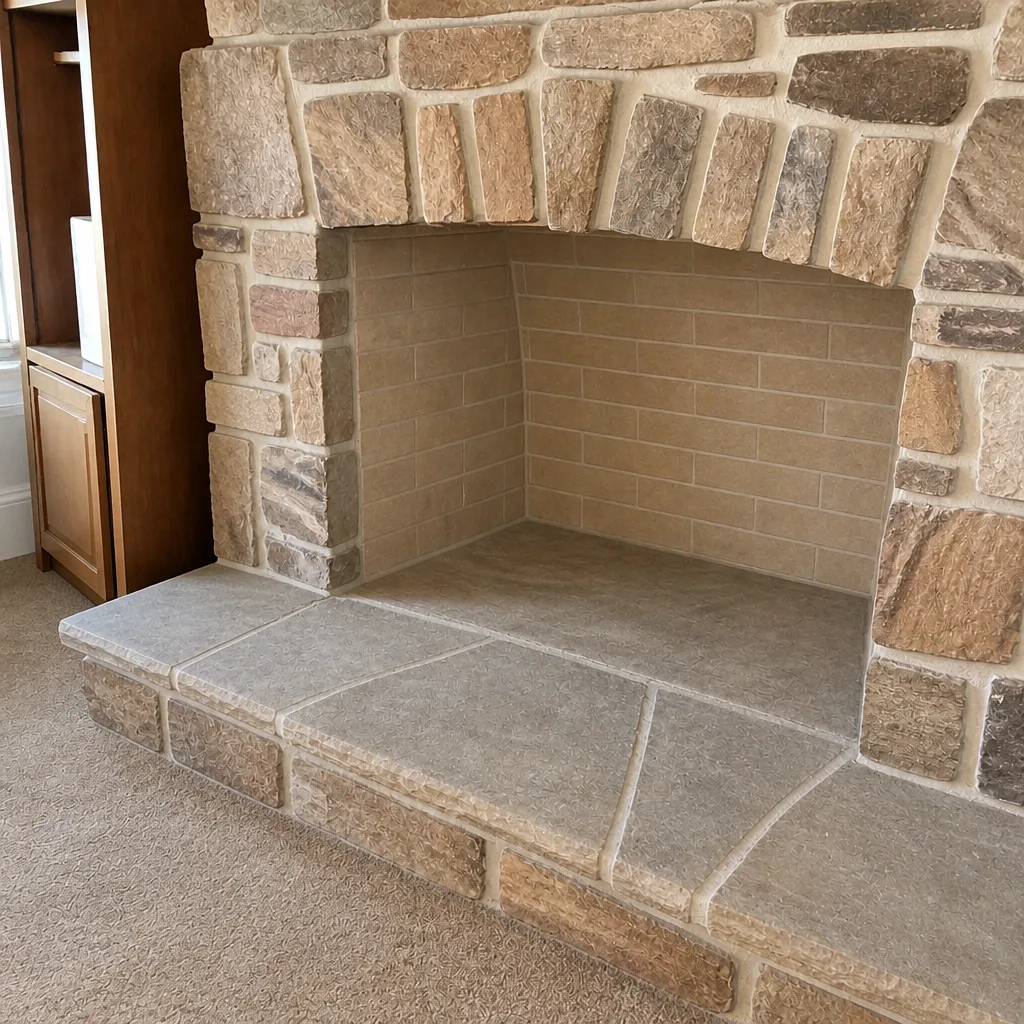 After
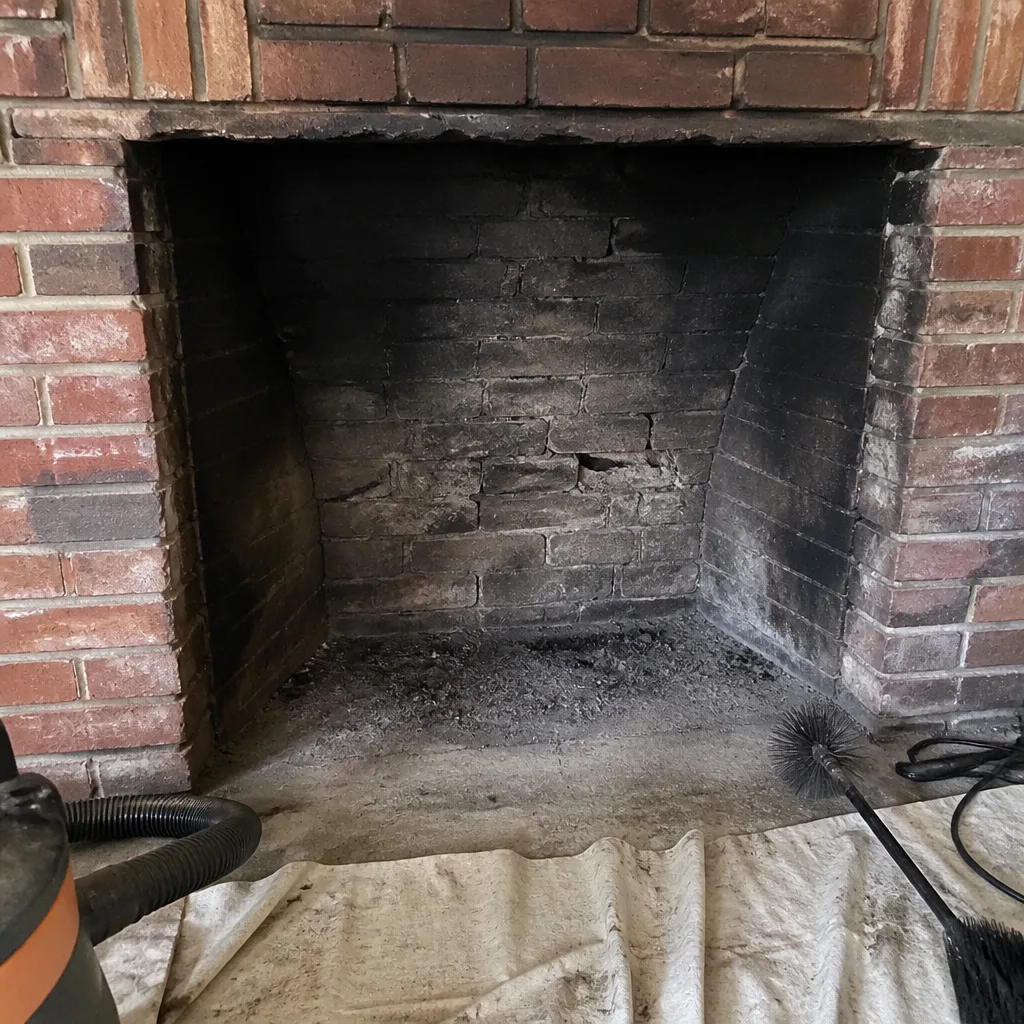 Before
 After
 Before
 After
When to Call a Professional
Call a qualified chimney professional when you notice smoke backing into the room, a smell you can’t identify, soot on the fireplace face, a cap that’s visibly damaged, or a CO detector that has alarmed. Call after any chimney fire, no exceptions. Call when the last inspection was more than a year ago and you’ve been burning regularly. And call when you’re unsure, because a free estimate removes the guesswork. Ogden Chimney Sweep offers free estimates in Ogden – call (866) 937-7544. We answer 24/7. Fast dispatch from 7am to 7pm, Sunday through Friday.
Frequently Asked Questions
Stop adding wood, close the glass doors, get everyone outside, and call 911. Do not pour water into the firebox of a hot fire, and do not climb onto the roof. The fire department is the only one who can confirm the structure is safe before you return inside.
No. Many chimney fires are quiet, low-intensity events that sound like a low rumble or crackle and may go unnoticed until an inspection finds the damage. A sharp tar smell or a sudden smoky room with a fire burning is also a reason to treat it as an active fire.
Only a Level 2 inspection confirms it. A visual glance from the firebox doesn’t show the full flue. The inspection includes a camera scan and, when warranted, resurfacing with HeatShield or a DuraFlex liner replacement. Call (866) 937-7544 for an exact quote – estimates are free.
On every floor with sleeping rooms, outside each sleeping area, and near the fireplace room itself, high on a wall and a few feet from the appliance. Test them at the start of the burning season and again mid-season, and record the test dates on your emergency card.
Once a year for most homes, and more often for households burning wood as a primary heat source through the long winter. A pre-season sweep catches creosote buildup before it becomes fuel for a chimney fire. Call (866) 937-7544 to book a sweep – we answer 24/7 and dispatch from 7am to 7pm, Sunday through Friday.
A compromised liner can let carbon monoxide and hot gases into the wall structure on the next fire, and a cracked flue can allow water intrusion that leads to larger masonry repair. The inspection is the cheap step that prevents the expensive ones. Call (866) 937-7544 for an exact quote – estimates are free.
The Bottom Line
Chimney emergencies in Ogden rarely arrive without warning. A quiet rumble, a tar smell, a smoke-back into the room, a CO detector that finally went off after months of ignoring the test button: these are the precursors. The homeowners who handle a real emergency well prepared before it happened. They knew the signs, they had a response sequence in mind, they had working detectors, and they had a sweep’s number on a card near the fireplace. Prevention is the same work: a sweep at the start of the season, dry wood, careful burning, and a real inspection after any event. If you’re overdue, or you’re not sure what your chimney needs, call us. Call (866) 937-7544 for a free estimate. We inspect before we recommend, and we tell you plainly when something can wait.
Written by the team at Ogden Chimney Sweep.